A ‘superior’ CEC renders Election Commissioners ‘non-functional’, Supreme Court had warned
Source Entity
India Latest News: Top National Headlines Today & Breaking News | The Hindu
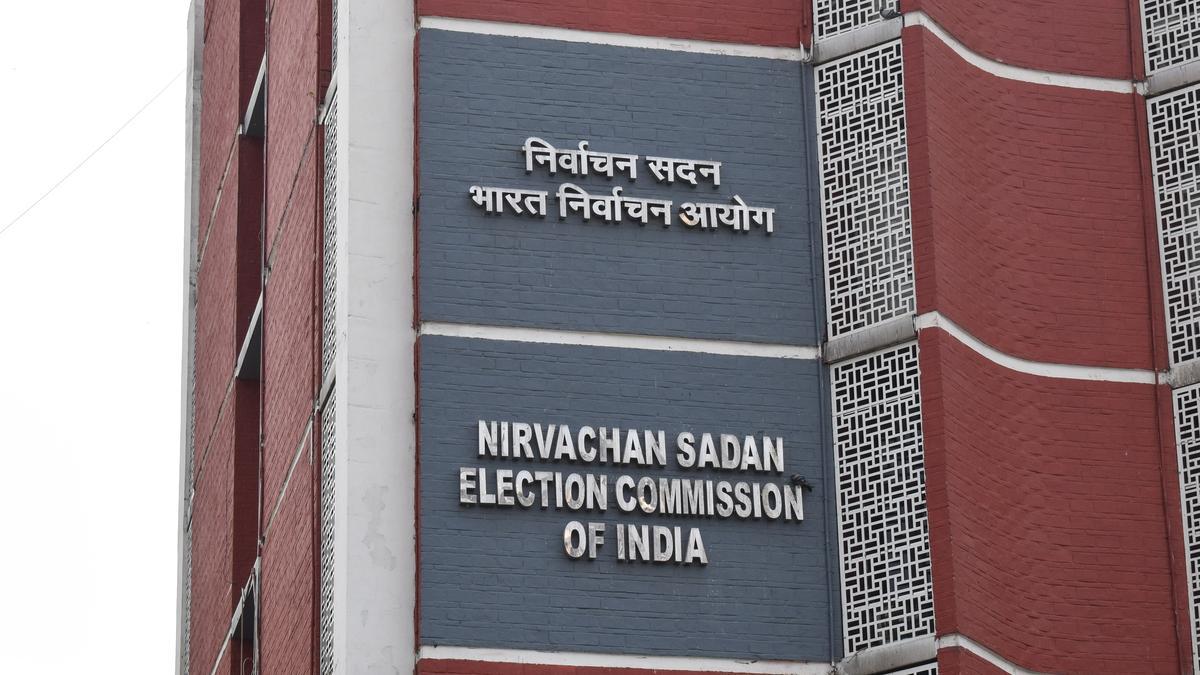
The Election Commission is facing scrutiny following the postponement of an event involving Chief Election Commissioner Gyanesh Kumar and allegations of electoral irregularities. Union Minister Chirag Paswan has urged the Commission to clarify its stance, while the Congress party has demanded the CEC's removal.
Scrutiny Over Election Commission Operations
The Election Commission of India (ECI) is currently navigating a period of heightened public and political scrutiny. Recent developments, including the postponement of an event involving Chief Election Commissioner (CEC) Gyanesh Kumar, have prompted the poll body to cite logistical and administrative factors as the primary drivers for these scheduling adjustments. While such shifts are often routine in large-scale bureaucratic organizations, the current climate has elevated these administrative decisions into significant points of political contention.
Political Demands for Transparency
Union Cabinet Minister Chirag Paswan has publicly intervened, urging the Chief Election Commissioner to directly address the growing doubts surrounding the ECI’s operations. Paswan emphasized that as an independent constitutional body, the burden of maintaining public trust lies solely with the Commission. He argued that it is inappropriate for political parties to defend the ECI, as they lack access to internal processes, and that the Commission must proactively clarify its position when its integrity is questioned by the public or political entities.
Opposition Allegations and Protests
The situation has escalated further with the Andhra Pradesh Congress Committee (APCC) staging protests in Vijayawada. Under the guidance of APCC president Y.S. Sharmila, party leaders have leveled serious accusations regarding irregularities in the electoral roll revision process. APCC vice-president Kolanukonda Shivaji has called for the removal and arrest of CEC Gyanesh Kumar, specifically citing concerns over the centralization of voter data entry and its potential impact on the integrity of the electoral rolls.
The Controversy Over Special Intensive Revision (SIR)
A core component of the current political friction is the Special Intensive Revision (SIR) of electoral rolls. The Congress party has demanded an immediate halt to this exercise, advocating for a judicial inquiry to investigate what they term as 'vote theft.' The demand for suo motu cognisance by the courts highlights the intensity of the distrust currently directed toward the Commission's administrative handling of voter data.
Implications for Institutional Integrity
The ECI occupies a critical role in the democratic framework, and the current demands for accountability underscore the fragility of public perception regarding electoral management. When political parties—both within the government and in the opposition—begin to openly question the internal workings of the Commission, the resulting discourse can impact the perceived legitimacy of future electoral processes. The ECI’s challenge now lies in balancing its administrative autonomy with the necessity of maintaining transparency to quell these mounting concerns.
Future Outlook
Moving forward, the ability of the Election Commission to provide a clear, evidence-based defense of its logistical and data-handling procedures will be paramount. As calls for independent judicial inquiries persist, the ECI may need to adopt more robust communication strategies to address specific grievances. The ongoing tension serves as a reminder of the vital importance of the Commission’s neutrality and the high stakes involved in ensuring the electoral rolls remain beyond reproach in the eyes of all stakeholders.
Multiple Citing Sources
Verification Required?