Election Commission changes Form 6 for new voters, inserts section asking them about parents in SIR
Source Entity
Damini Nath
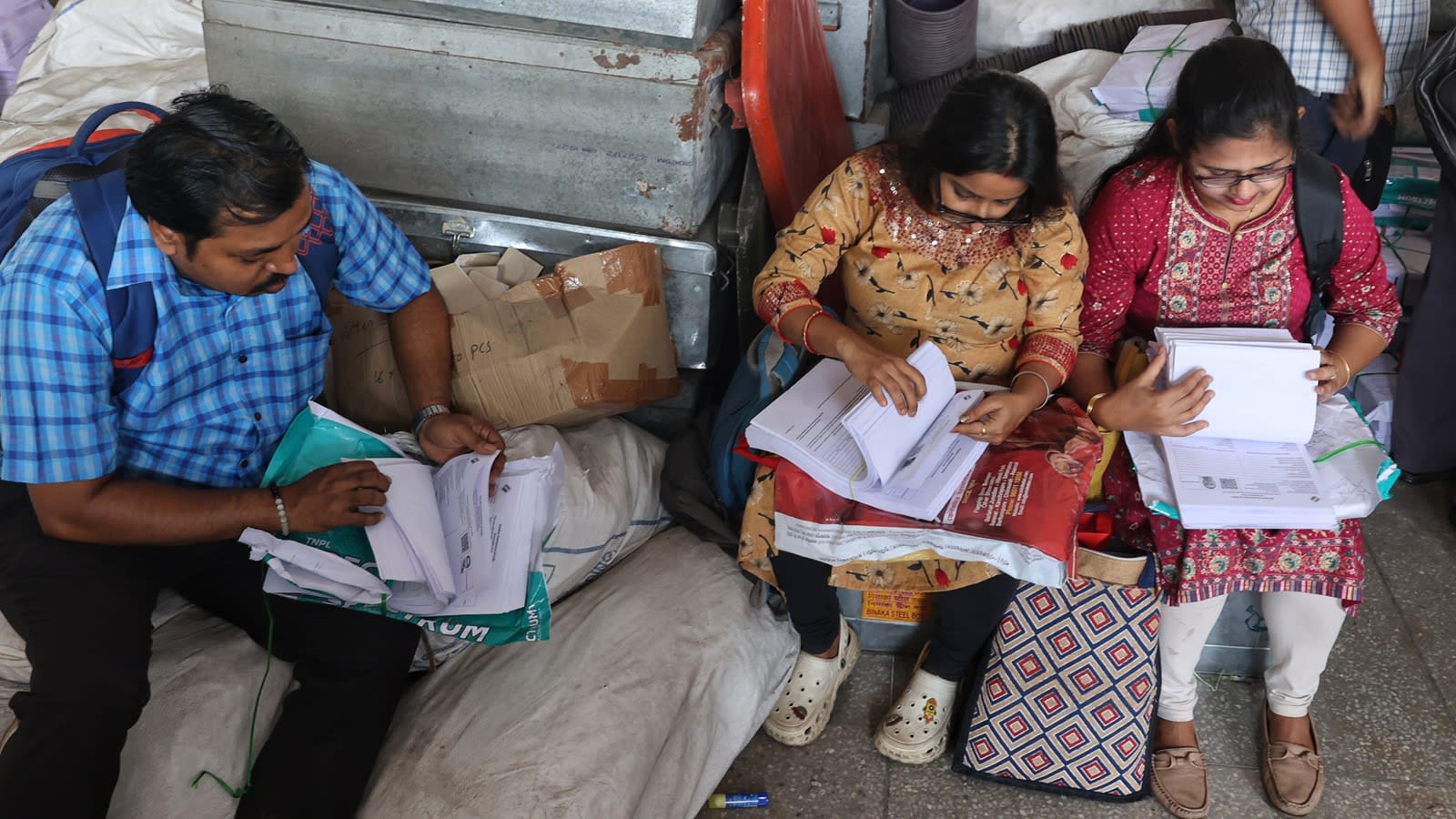
For the first time, the Election Commission’s online version of the electors’ registration form, known as Form 6, has a new section that seeks the status of the applicant’s parents vis-a vis the last ...
Administrative Shift in Voter Registration: The Form 6 Update
The Election Commission has implemented a significant update to the online registration process for new voters by modifying Form 6. This change introduces a new section within the digital registration framework, specifically requiring applicants to provide information regarding their parents' status. This administrative adjustment marks a pivotal moment in the digitalization of electoral rolls, signaling a move toward more granular and relational data collection during the initial stage of voter onboarding.
Understanding the New Requirement
The core of this update lies in the inclusion of a section that seeks the status of the applicant's parents in relation to existing or previous records. By integrating this into the online version of Form 6, the Commission is attempting to create a more interconnected data profile for every new entrant into the democratic process. This ensures that the digital footprint of a voter is not just an isolated entry but is part of a verifiable familial and residential context, which is crucial for maintaining a clean database.
Historical Context of Electoral Roll Management
Historically, maintaining the integrity of electoral rolls has been one of the greatest challenges for any Election Commission. In previous eras, manual registration often led to significant discrepancies, duplicate entries, and difficulties in identifying voters who had moved or passed away. The evolution from paper-based forms to the current digital system, including the enhanced Form 6, reflects a continuous, decades-long effort to modernize and secure the voting process against both administrative errors and intentional fraud.
Implications for Data Accuracy and Deduplication
The decision to ask for parental information is a strategic move likely aimed at enhancing the accuracy of the electoral database through relational verification. In many administrative systems, familial links serve as a critical secondary layer of verification. By understanding the parental status of a new applicant, the Commission can more effectively cross-reference data to prevent "ghost voters" and ensure that individuals are not being registered multiple times under different identities within the same household or lineage.
The Digital Transformation of Democracy
This update is a clear indicator of the broader trend toward the total digitalization of governance and identity management. As the Election Commission moves more processes into the online sphere, the complexity of the data collected must increase to maintain the same level of security once provided by physical, in-person scrutiny. While this streamlines the application process for tech-savvy citizens, it also places a higher emphasis on the precision of the information entered at the point of origin, as digital errors are harder to rectify once they enter the system.
Future Trends in Voter Verification
Looking ahead, we can expect further integration of multi-layered data points in voter registration. The inclusion of parental data may be a precursor to even more sophisticated verification methods that use relational databases to map out voter demographics and movement patterns with high precision. As technology advances, the goal will likely shift from mere registration to the creation of a "living" electoral roll that is dynamically updated through interconnected digital identities and real-time data verification.
Summary
In conclusion, the modification of Form 6 represents a calculated step by the Election Commission to bolster the reliability and security of the electoral roll. While it introduces new data requirements for new voters, the long-term objective is the creation of a more robust, verifiable, and fraud-resistant system that can support the growing complexities of modern democratic elections in a digital age.