"Free Speech Absolutist": Elon Musk Threatens Legal Action Over Documentary
Source Entity
NDTV News Search Records Found 1000
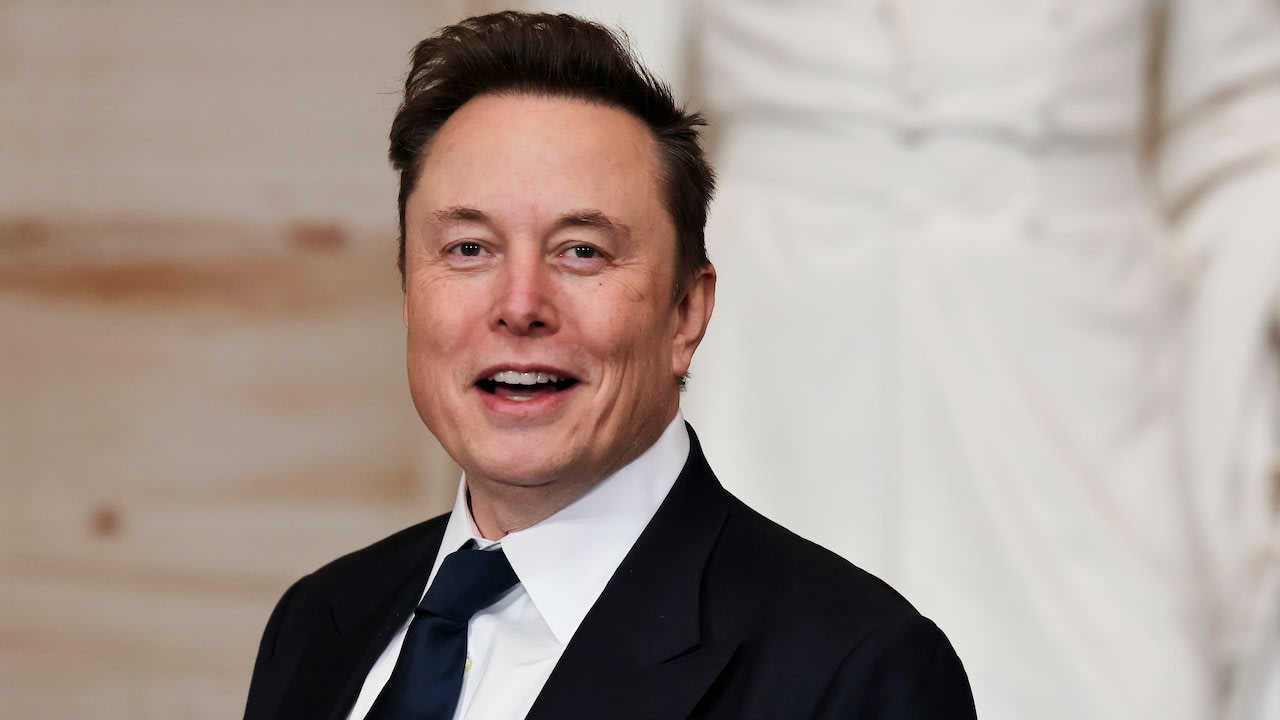
Elon Musk has threatened legal action against a documentary, with his legal team asserting that the film contains defamatory content. This development highlights the ongoing tension between Musk's self-proclaimed 'free speech absolutist' stance and his willingness to use litigation regarding his public image.
The Intersection of Free Speech and Defamation Law
Elon Musk, who has frequently identified himself as a "free speech absolutist," is once again at the center of a legal controversy involving the boundaries of public discourse. His legal representatives have recently signaled an intent to pursue legal action against a documentary, claiming that the production defames the billionaire entrepreneur. This development brings into sharp focus the complex relationship between high-profile individuals and the media entities that profile them, particularly when the subject of such scrutiny is a figure as polarizing as Musk.
The Paradox of the 'Free Speech Absolutist'
For years, Musk has championed the idea of unfettered expression, most notably through his acquisition and subsequent transformation of the platform formerly known as Twitter. By advocating for minimal content moderation, he positioned himself as a defender of open debate. However, the decision to threaten defamation litigation against a documentary suggests that his commitment to free speech is not absolute, but rather subject to the protections afforded by libel and defamation laws. This dichotomy is a recurring theme in modern media law, where public figures must navigate the thin line between being subject to public criticism and protecting their reputation from what they deem to be false factual assertions.
Defining the Legal Threshold of Defamation
Defamation, whether libel or slander, requires a high burden of proof, particularly for public figures. In many jurisdictions, a plaintiff must demonstrate that the statements made were not only false but also made with "actual malice"—a reckless disregard for the truth. By threatening legal action, Musk’s legal team is signaling that they believe the documentary has crossed this threshold. The outcome of such a dispute often hinges on whether the content is classified as protected opinion or as verifiable, yet damaging, factual inaccuracy.
Broader Implications for Media and Documentary Filmmaking
This dispute serves as a bellwether for the future of investigative journalism and documentary filmmaking. When powerful figures utilize the legal system to challenge narratives, it can create a chilling effect, where media organizations might self-censor to avoid the significant costs of litigation. Conversely, it also underscores the responsibility of filmmakers to ensure rigorous fact-checking when producing biographical or investigative works. The legal pressure applied by Musk’s team acts as a reminder that even the most prominent figures have recourse when they believe their reputation has been unfairly tarnished.
Historical Context and Future Trends
Historically, battles between public figures and the media have shaped the legal landscape of the First Amendment and global equivalents. As documentary filmmaking becomes more accessible and prevalent, the frequency of these clashes is likely to increase. We are moving toward a period where the digital permanence of information makes the management of one's public image a high-stakes endeavor. If this case proceeds, it will likely serve as a significant legal precedent, testing the limits of how far a documentary can go in its critical portrayal of a tech titan before it becomes a legal liability.
Conclusion
The threat of legal action against the documentary is a significant escalation in the ongoing narrative surrounding Elon Musk’s public image. While the legal merits of the defamation claim remain to be seen, the conflict highlights the inherent tensions in a democratic society where the right to free expression often clashes with the right to defend one's reputation. As this situation develops, it will continue to raise critical questions about the power dynamics between the subjects of journalistic inquiry and the media entities that seek to hold them accountable.
Verification Required?