Trump’s EPA wants to let data centers hide their air pollution
Source Entity
Justine Calma
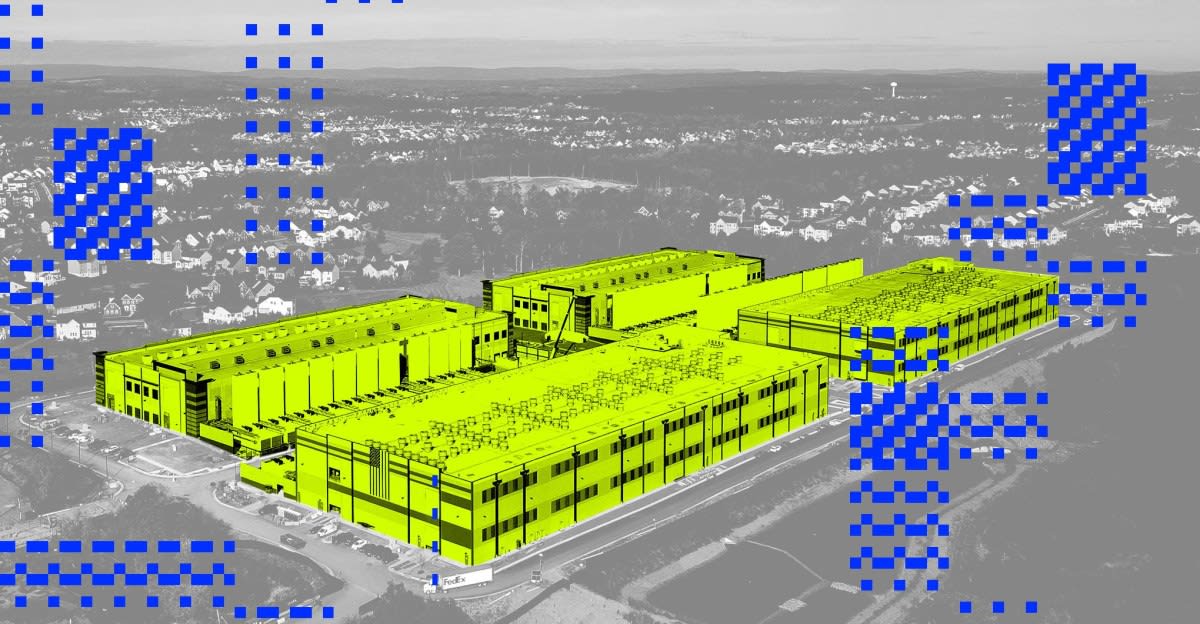
The EPA has issued new guidance exempting off-grid data center power plants from Acid Rain Program regulations. Critics argue this move, combined with proposed changes to public notification rules, will limit community oversight of industrial air pollution.
EPA Policy Shift Impacts Data Center Regulation
In a significant policy shift dated July 27, 2026, the U.S. Environmental Protection Agency (EPA) issued new guidance clarifying the regulatory status of "islanded" power generation facilities. By determining that the Clean Air Act’s (CAA) Acid Rain Program (ARP) does not apply to power plants that operate independently of the public electricity grid, the EPA has effectively lowered the regulatory hurdle for data center developers. This initiative is positioned as part of the current administration’s broader agenda to accelerate the construction of critical infrastructure necessary to support the burgeoning data economy.
Implications for "Islanded" Power Generation
Data centers require massive, consistent energy loads that often strain existing municipal grids. By utilizing islanded power generation—facilities that operate entirely off-grid—developers can bypass the interconnections that usually subject power plants to rigorous federal oversight under the Acid Rain Program. This regulatory carve-out provides developers with unprecedented flexibility, allowing them to expedite project timelines and site selection without adhering to the legacy environmental standards historically applied to grid-connected power generation.
Erosion of Public Oversight
Beyond the specific exemption from the Acid Rain Program, the EPA is reportedly moving to eliminate federal rules that mandate public notice and comment periods for certain industrial air permit applications. This secondary shift is particularly controversial, as it directly impacts the ability of local communities to identify, monitor, and challenge the environmental footprint of nearby industrial projects. By removing the requirement for public consultation, the administration risks sidelining the very residents most affected by potential air quality degradation.
The Tension Between Infrastructure and Environment
This policy development highlights the escalating tension between the urgent need for digital infrastructure and environmental accountability. As data centers become the backbone of modern technological advancement, the demand for power has reached critical levels. Proponents argue that these changes are necessary to prevent energy bottlenecks and support national competitiveness. However, environmental advocates and legal experts warn that prioritizing speed over transparency creates a dangerous precedent, where industrial expansion occurs in a regulatory vacuum.
Future Outlook and Societal Impact
Looking ahead, the shift toward islanded generation combined with reduced public input requirements could fundamentally alter the landscape of industrial siting. Communities that previously relied on the public comment process to mitigate noise, pollution, and health concerns may find themselves without a seat at the table. If these policies persist, we can expect a surge in data center development, but likely at the cost of increased friction between private developers and local municipalities, potentially leading to a wave of litigation and grassroots resistance aimed at reclaiming local environmental oversight.