UK risks being 'uninvestable' if new oil and gas fields not approved, warns Equinor
Source Entity
BBC News
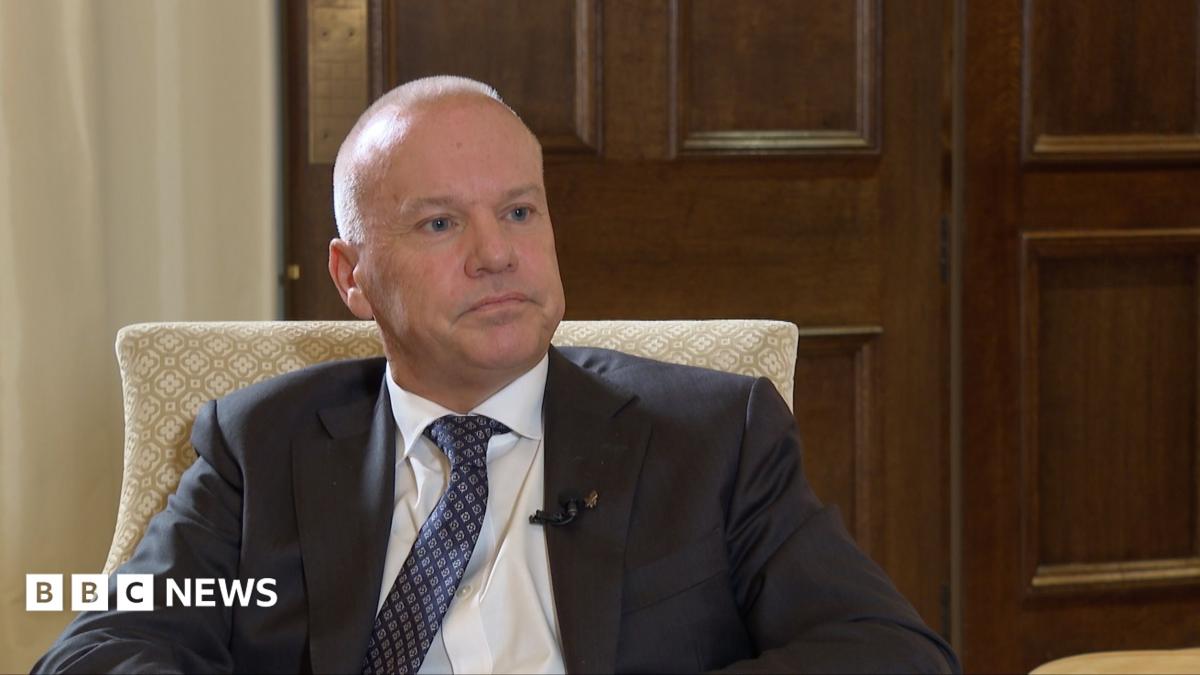
Equinor has warned that the UK risks becoming an uninvestable market if the government fails to approve new oil and gas projects like Rosebank and Jackdaw. The energy firm highlights that domestic production is set to halve by 2035, necessitating urgent political clarity on energy security.
The North Sea Energy Dilemma: Equinor’s Warning to the UK
Recent statements from Equinor have placed the United Kingdom’s energy future at a critical crossroads. The energy giant has explicitly warned that the UK risks being labeled as 'uninvestable' if critical oil and gas projects, specifically Rosebank and Jackdaw, remain in a state of regulatory limbo. This warning arrives at a time when the UK’s domestic production capacity is forecasted to plummet by 50% by the year 2035, sparking intense scrutiny regarding the nation's long-term energy security.
The Strategic Importance of North Sea Assets
Historically, the North Sea has served as a cornerstone of the UK’s industrial economy and energy independence. However, as production naturally declines, the industry faces an existential question: how to bridge the gap between legacy fossil fuel reliance and the transition to renewable alternatives. Equinor’s involvement is significant, as the UK already relies on Norway for approximately half of its current gas requirements. By contrasting the UK's hesitant regulatory environment with the Norwegian government’s proactive approach—which continues to issue new exploration licenses—Equinor is signaling that capital will inevitably flow toward more predictable jurisdictions.
Political Uncertainty and Market Confidence
Equinor CEO Anders Opedal’s remarks underscore a fundamental tension between climate policy and economic pragmatism. While Opedal expressed confidence in Prime Minister Andy Burnham’s stated 'pragmatic approach' to the sector, he candidly described the current delay as an 'uncomfortable position.' For multinational corporations, regulatory uncertainty is often more damaging than strict regulation itself. Without the green light for projects like Rosebank and Jackdaw, the perceived risk premium for operating in the UK increases, potentially driving away the very investment needed to maintain energy stability.
Assessing the Domestic Production Gap
Equinor’s projections suggest that production levels can be maintained at current capacities until the middle of the next decade, provided that new fields are brought online. The firm argues that the UK possesses the geological potential to produce more of its own resources, framing the current shortfall as a deliberate 'political choice' rather than a lack of available supply. This perspective highlights the ongoing friction between those advocating for immediate energy self-sufficiency and those prioritizing aggressive decarbonization timelines.
Broader Implications for Energy Security
The broader implications of this standoff extend beyond corporate balance sheets. If the UK fails to secure these investments, the reliance on imported energy is likely to increase, leaving the nation vulnerable to global price volatility and geopolitical shifts. As the UK navigates this transition, the balance between meeting immediate energy demands and adhering to long-term climate goals remains a delicate, high-stakes political challenge that will define the country's economic landscape for the next twenty years.
Future Trends and Conclusion
Looking forward, the UK government must reconcile its climate ambitions with the realities of energy infrastructure maintenance. If the trend of delayed approvals continues, the 'uninvestable' label could become a self-fulfilling prophecy, leading to a rapid decline in domestic output. The path forward likely requires a clear, codified strategy that provides developers with the certainty needed to invest while simultaneously scaling up renewable infrastructure to ensure a secure, balanced energy future.