Most GST refunds may be processed within 17 days
Source Entity
TNN
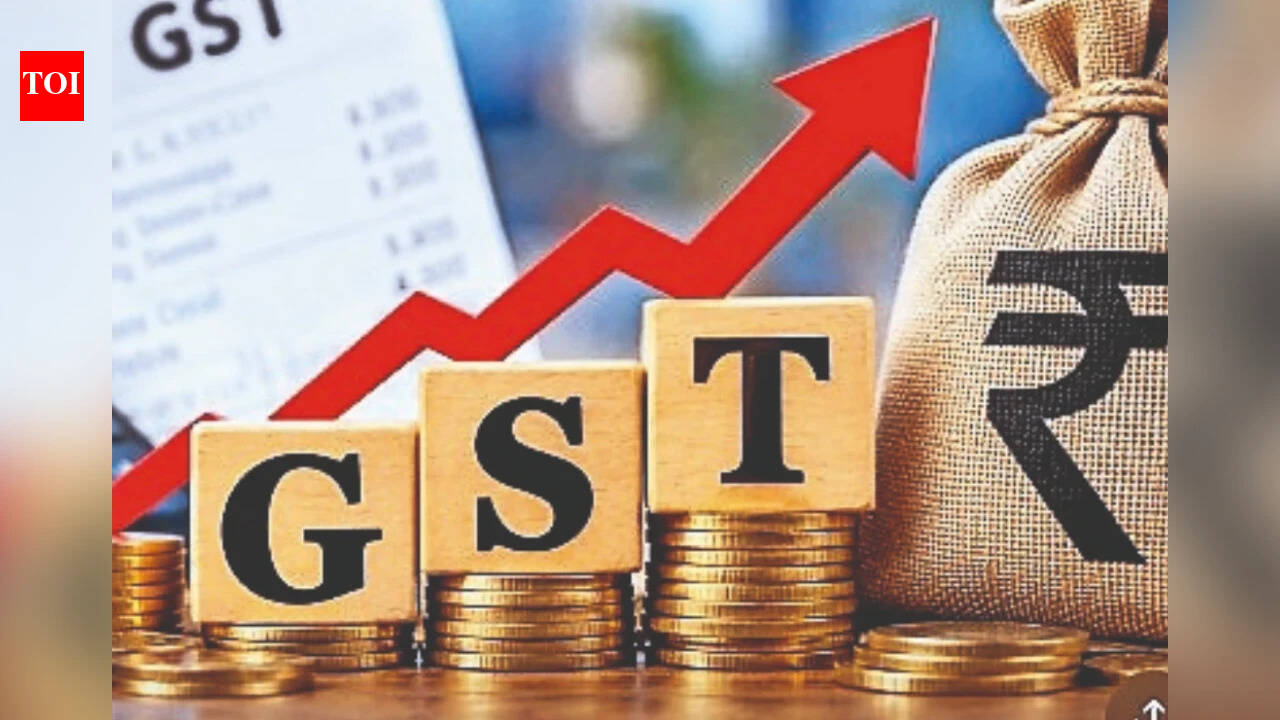
Karnataka Deputy CM D.K. Shivakumar is in Delhi for the 57th GST Council meeting, which focuses on structural reforms rather than rate changes. Key proposals include slashing GST refund timelines to 17 days and automating registration processes to boost business efficiency.
Karnataka Leadership Engages with National Policy
As the 57th GST Council meeting approaches on October 8, Karnataka Deputy Chief Minister D.K. Shivakumar has arrived in New Delhi. While his primary official engagement is the Council's proceedings, his presence in the national capital serves a dual purpose. Beyond the technical agenda of the GST Council, Mr. Shivakumar is expected to leverage this visit to engage with senior Congress leadership regarding critical state-level governance issues. These include pending appointments to the Legislative Council, critical nominations for state boards and corporations, and the sensitive task of filling two vacancies within the State Cabinet.
The Challenge of Political Timing
Despite the urgency of these state administrative matters, the political climate in New Delhi presents significant hurdles for the Deputy Chief Minister. Senior Congress leadership, notably the Leader of the Opposition in the Lok Sabha, Rahul Gandhi, is currently heavily occupied with ongoing protests against the Election Commission of India (ECI). This high-stakes political mobilization may limit the availability of key decision-makers, potentially stalling the resolution of Karnataka's internal appointments. Mr. Shivakumar’s recent visit to attend a Congress Working Committee meeting suggests an ongoing attempt to maintain alignment with the central high command, even as he navigates pressing regional demands.
Structural Reforms in the GST Framework
Parallel to these political maneuvers, the 57th GST Council meeting is set to prioritize structural efficiency over tax rate adjustments. The Council is poised to address the persistent grievances of the business community regarding liquidity and capital flow by proposing a significant reduction in the GST refund processing timeline. Currently, the acknowledgement process alone can take between 21 to 45 days. The new proposal aims to mandate a 10-day limit for acknowledgement—after which it is deemed granted—followed by a seven-day window for processing, totaling roughly 17 days.
Digital Transformation and Ease of Doing Business
In addition to refund reforms, the Council is focusing on digitizing the registration landscape. While approximately 61% of GST registrations are currently completed within three days, the government aims to automate the remaining 39% of applications to eliminate manual bottlenecks. This shift is designed to streamline operations for businesses that currently face delays in state-specific registrations. Furthermore, the Council is evaluating the removal of mandatory physical verification for registration cancellations, a move that would significantly lower the compliance burden on taxpayers.
Enhancing Input Tax Credit Utility
Finally, the Council is deliberating on modifications to input tax credit (ITC) rules. By potentially expanding the scope of ITC to include various business-related expenses, the government intends to facilitate smoother operational cycles for enterprises. These reforms represent a strategic pivot toward 'Ease of Doing Business' by reducing administrative friction. For a state like Karnataka, which hosts a significant portion of India's technology and manufacturing sectors, these national-level reforms are critical to maintaining economic competitiveness and ensuring that state-level policy aligns with the broader federal tax architecture.
Multiple Citing Sources