Ergonomic office furniture: Why is it becoming a wellness investment and not just a workplace expense?
Source Entity
Latest News: Todays Latest News Headlines from India & World | Hindustan Times | Hindustan Times
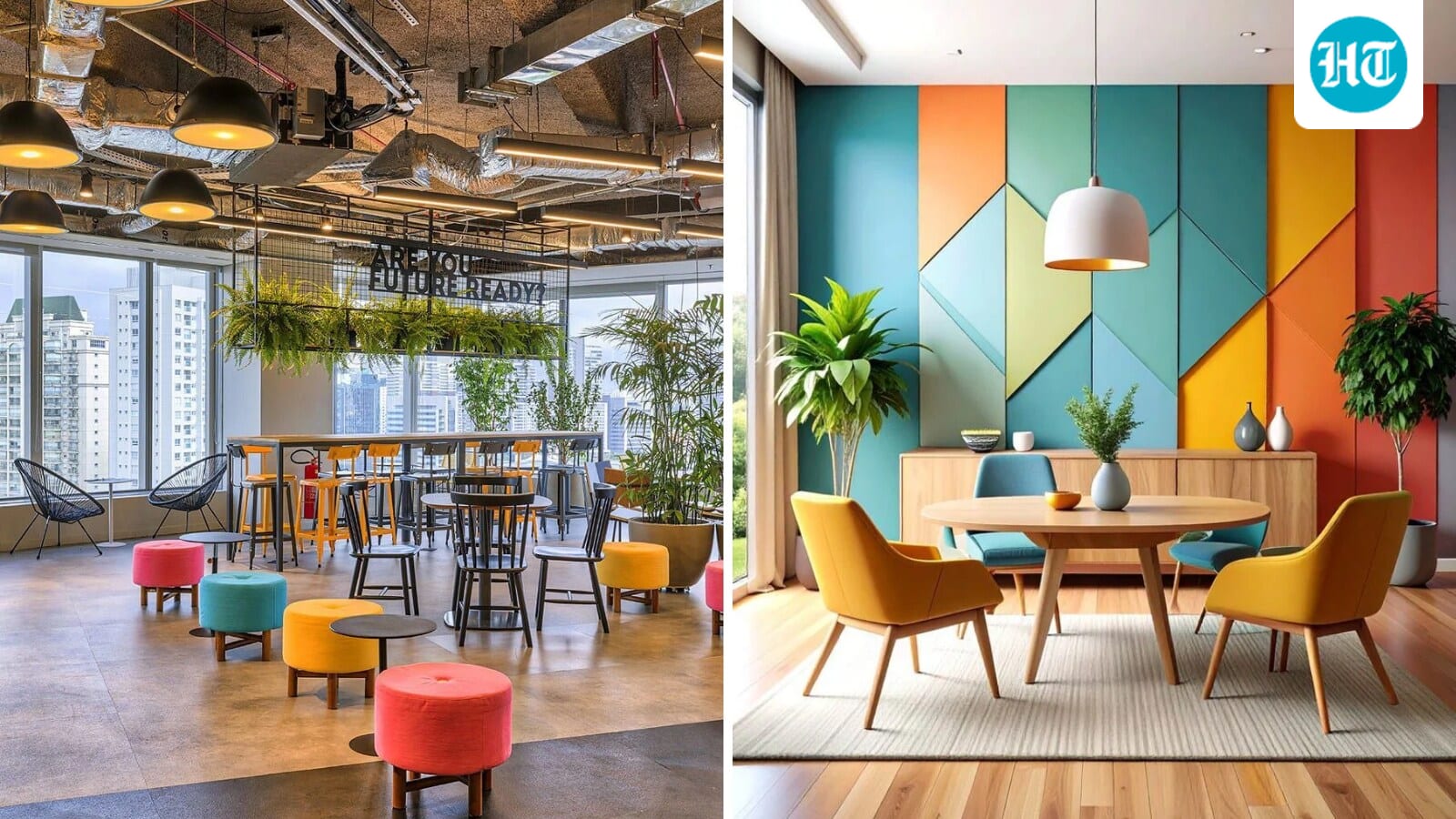
Modern businesses are increasingly viewing ergonomic office furniture as a strategic wellness investment rather than a mere operational expense. By prioritizing comfort and movement, companies aim to enhance employee productivity and long-term health in an evolving work landscape.
The Shift from Expense to Asset: The Evolution of Workplace Design
For decades, office furniture was viewed through a strictly utilitarian lens—a commodity expense required to furnish a commercial space for the standard 9-to-5 workday. However, the contemporary corporate environment has undergone a fundamental shift. Businesses are now increasingly recognizing that ergonomic furniture, ranging from adjustable standing desks to high-support seating, functions as a vital investment in human capital rather than a mere line-item cost.
Prioritizing Employee Wellbeing as a Strategic Pillar
The move toward ergonomic design is rooted in the understanding that physical discomfort is a significant barrier to cognitive performance. By integrating furniture that supports varied postures and natural movement, organizations are directly addressing the long-term health risks associated with sedentary work. This shift represents a proactive approach to wellness, where the environment is engineered to mitigate fatigue and physical strain, thereby fostering a more resilient and focused workforce.
Beyond the Chair: Designing for Dynamic Workflows
While the ergonomic chair has long been the symbol of workplace comfort, the current trend emphasizes a holistic design philosophy. Modern workspaces are being reimagined as ecosystems of flexibility, incorporating modular workstations and adaptable layouts that accommodate diverse working styles. This transition reflects an awareness that different tasks require different physical settings, and providing the tools to support these transitions is essential for maintaining high levels of employee engagement throughout the day.
The Link Between Physical Comfort and Productivity
The correlation between a well-designed office and productivity is becoming increasingly clear to business leaders. A thoughtful, ergonomic workspace does more than just satisfy physical needs; it signals to employees that their long-term health and comfort are organizational priorities. This sentiment often translates into higher morale, improved focus, and a more sustainable approach to work-life integration in an era where the lines between home and office are often blurred.
Future Trends in Workplace Infrastructure
Looking ahead, the integration of wellness-focused furniture is likely to become a standard expectation rather than a competitive advantage. As data continues to show the negative impacts of traditional, static office environments, we can expect to see further innovations in 'active' furniture that promotes movement and postural variety. The office of the future will not just be a place to work, but a support system designed to sustain the health and productivity of its occupants over the long term.
Verification Required?