Drastic budget cutbacks essential to fund Europe's defense, Germany and allies warn
Source Entity
US Top News and Analysis
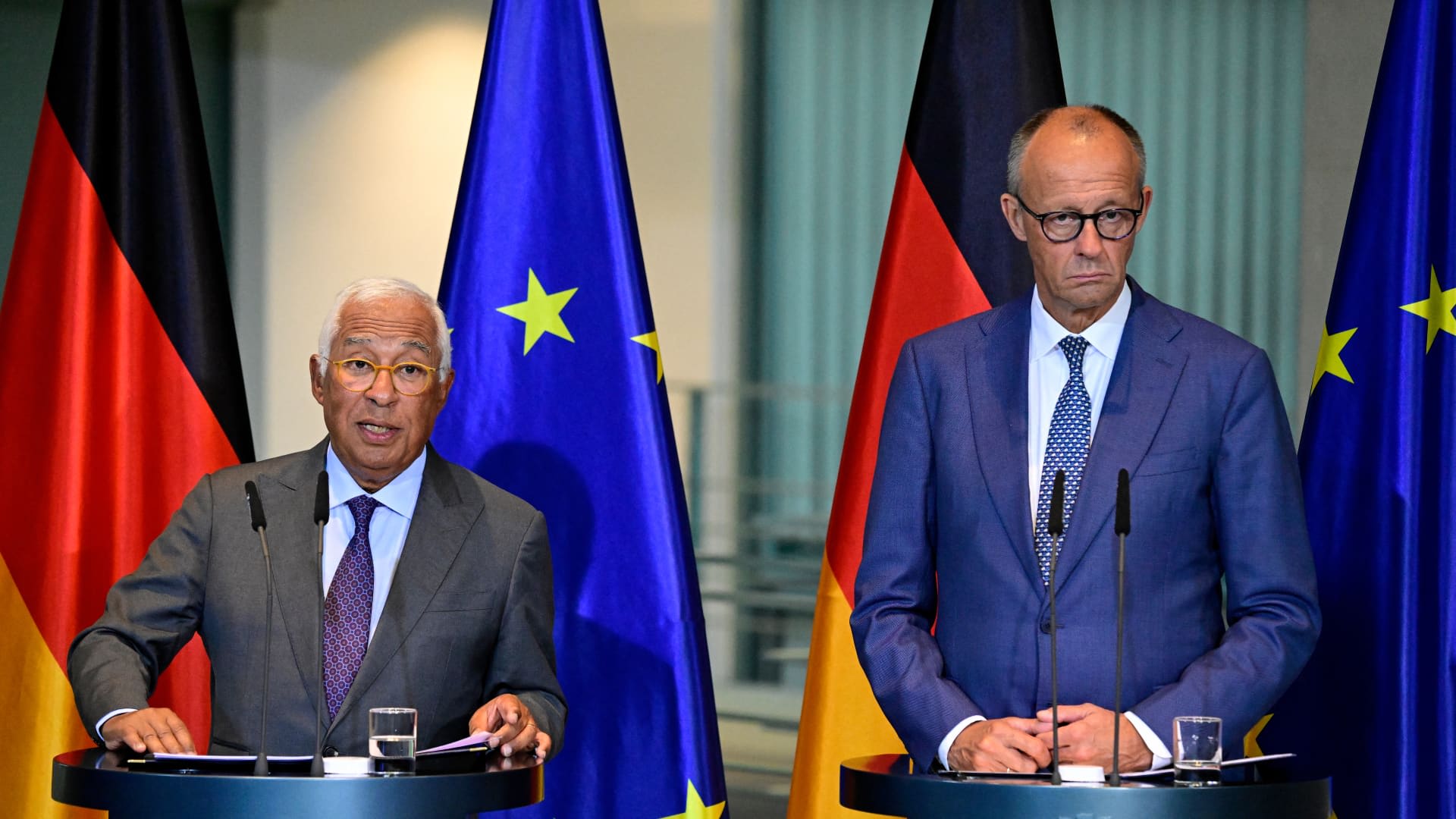
Six European leaders are calling for significant cuts to the proposed 2 trillion euro EU budget to prioritize continental defense. The move aims to reshape the 2028-2034 Multiannual Financial Framework amid growing security concerns.
The Shift Toward European Defense Spending
In a significant pivot for European fiscal policy, German Chancellor Friedrich Merz, alongside leaders from five other major EU economies, has formally challenged the European Commission's proposed 2 trillion euro budget for the 2028-2034 period. The call for "hundreds of billions" in cuts signals a fundamental reassessment of EU spending priorities, placing existential security concerns at the forefront of the bloc's financial agenda.
Prioritizing Security Over Expansion
The Multiannual Financial Framework (MFF) serves as the bedrock of EU policy, dictating how the union allocates resources across its member states. By demanding substantial reductions to the proposed 2 trillion euro package, these leaders are signaling that the traditional model of broad-based spending is no longer sustainable in an era of heightened geopolitical instability. The push reflects a consensus among key economies that funding a robust, unified defense infrastructure is now the primary mandate for the continent.
The Geopolitical Context
This demand for austerity in other sectors to boost defense capabilities highlights the increasing pressure on European nations to achieve strategic autonomy. As the security landscape evolves, European leaders are moving away from reliance on external security umbrellas, opting instead for a self-funded model. This transition requires difficult trade-offs, as any reduction in the MFF will inevitably impact existing programs, including regional development, agricultural subsidies, and climate initiatives.
The Negotiation Landscape
The timing of this intervention—coinciding with the push for an agreement by the end of 2026—suggests an urgent desire to set the fiscal trajectory before the 2028 implementation date. Chancellor Merz's collaboration with European Council President Antonio Costa underscores the gravity of these deliberations. For the European Commission, this friction represents a major hurdle in balancing traditional commitments with the new, high-cost requirement of military modernization.
Implications for the Future
If these budget cuts are realized, the EU will likely face a period of internal realignment where domestic policy goals are subservient to defense readiness. The outcome of these negotiations will define the bloc's character for the next decade, potentially moving the EU from a primarily economic union to a more integrated security actor. The coming months of debate will test the cohesion of the member states as they grapple with the high price of sovereignty and collective protection.
Conclusion
The move by Germany and its allies to slash the MFF is a pragmatic, albeit controversial, response to the modern security climate. By forcing a debate on the necessity of a 2 trillion euro framework, these leaders are attempting to force a leaner, defense-centric budget. The final agreement will serve as a definitive marker of Europe's priorities, illustrating whether the continent can reconcile its ambitious fiscal goals with the harsh realities of global defense requirements.