Your call is important to us. Please text instead
Source Entity
Cris
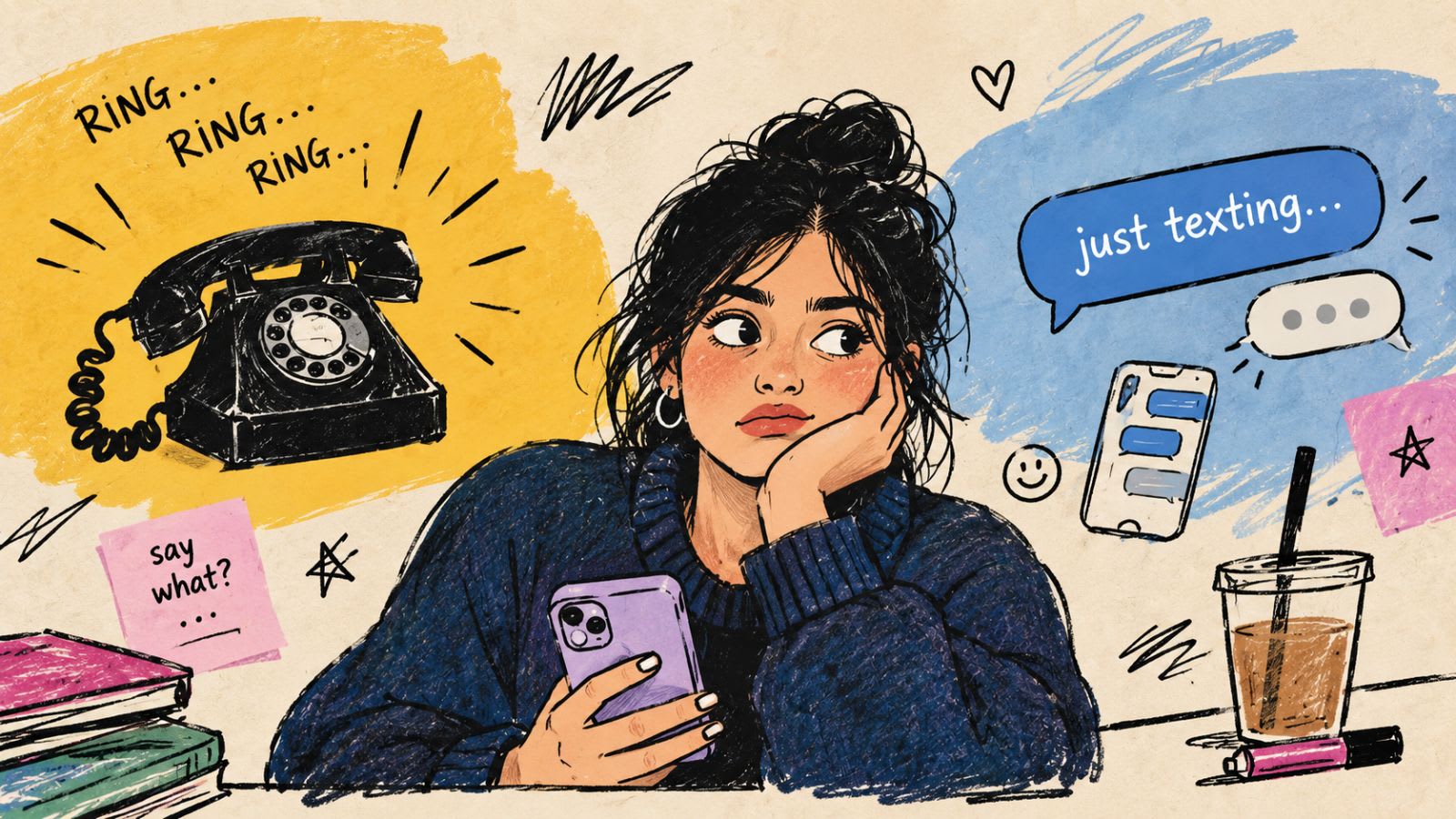
The evolution of communication in film and reality shifted from landline-based interactions to text messaging. This transition reflects broader societal changes in how young people connected during the turn of the century.
The Cinematic Evolution of Communication
In the iconic bar confrontation scene of the 1997 film Good Will Hunting, the protagonist, played by Matt Damon, leaves a piece of paper on a college student’s window containing a phone number. This moment serves as a poignant time capsule of late 20th-century dating culture, where securing a landline number was considered a significant social victory. The act of physically writing down a number and leaving it on a window represents the tangible, often laborious process of human connection before the digital age.
The Landline Era and Social Success
During the 1990s, the landline was the primary gateway to personal communication. In coming-of-age narratives of that era, acquiring a phone number was frequently portrayed as a climax of a romantic pursuit. Because landlines were shared resources within a household, calling someone required navigating the social friction of potentially speaking to parents or siblings. This added a layer of gatekeeping and formality that defined the stakes of the interaction, making the paper note in Good Will Hunting a symbol of both vulnerability and intent.
The Digital Transition: From Voice to Text
As the turn of the century approached, the widespread adoption of mobile phones fundamentally altered this landscape. The transition from landlines to personal mobile devices removed the barrier of the household gatekeeper, granting individuals direct access to one another. However, the most profound shift was not just the hardware, but the modality of communication; the focus moved from voice calls to Short Message Service (SMS).
The Rise of SMS and Linguistic Compression
With the introduction of standard SMS, communication became asynchronous and abbreviated. Before the advent of high-speed smartphones and data plans, users were constrained by character limits and the tedious nature of T9 predictive text or multi-tap input. This necessity birthed a unique linguistic style where words were condensed into single letters, digits, and symbols to maximize efficiency and minimize costs.
Societal Implications of Asynchronous Messaging
This shift toward text-based communication allowed for a new level of social buffering. Unlike the immediate, high-pressure nature of a landline phone call—which demanded real-time presence—texting allowed individuals to craft, edit, and delay their responses. This changed the fundamental dynamic of dating and social interaction, moving away from the 'all-or-nothing' approach seen in 90s cinema toward the more curated and controlled communication styles observed in the modern era.
Future Trends in Digital Interaction
Looking forward, the trajectory set by the SMS era continues to evolve. While we have moved past the character constraints of early mobile phones, the preference for text-based, asynchronous communication remains dominant. The legacy of the transition from the paper note in Good Will Hunting to the instant message of today highlights a broader human trend: the desire for connection balanced with the modern need for convenience, control, and efficiency in our interpersonal relationships.