F1 in Azerbaijan: That was almost a close-run thing
Source Entity
Jonathan M. Gitlin
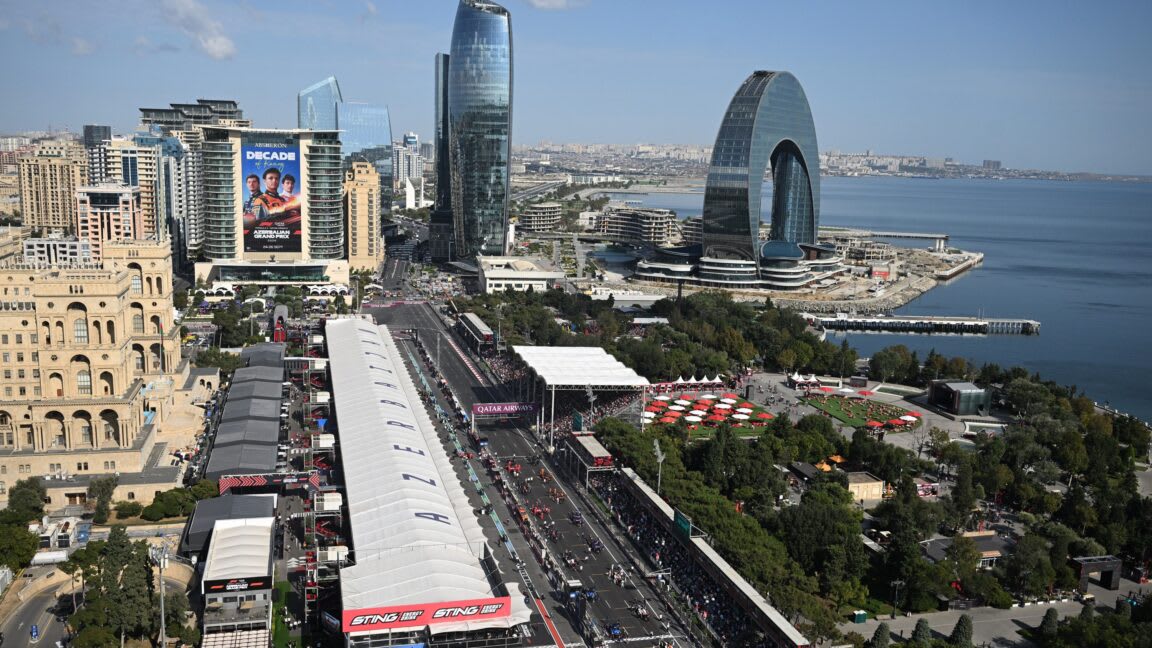
The Formula 1 Azerbaijan Grand Prix in Baku presented a challenging weekend of racing, marked by Kimi Antonelli's qualifying crash and schedule adjustments. The event highlighted the unique blend of historic city streets and modern high-speed infrastructure that defines the current era of F1.
The Baku Challenge: A Microcosm of Modern Formula 1
The Formula 1 Azerbaijan Grand Prix has firmly established itself as one of the most demanding fixtures on the racing calendar. Set against the backdrop of Baku, the circuit represents a stark contrast between ancient heritage and high-octane engineering. The track features a precarious path through a medieval fortress gate, requiring extreme precision, followed immediately by a 1.4-mile flat-out blast to the finish line. This unique configuration forces drivers to balance technical finesse with raw speed, all while navigating the concrete walls that leave no margin for error.
The Impact of Environmental Factors
Beyond the technical layout, the Baku circuit is notoriously influenced by the elements. Proximity to the Caspian Sea introduces unpredictable gusts of wind, which can drastically alter car balance during high-speed sections. The dusty, evolving surface of the city streets adds another layer of complexity, often catching out even the most experienced drivers. These environmental variables are central to the race's identity, ensuring that performance is as much about adaptability as it is about mechanical superiority.
Qualifying Setbacks and Young Talent
This year’s event was marked by the performance of rising star Kimi Antonelli. While he had previously demonstrated remarkable pace at Monza, the Baku circuit proved far less forgiving. His crash during the qualifying session serves as a poignant reminder of the steep learning curve faced by young drivers in the current F1 landscape. Such incidents underscore the unforgiving nature of street circuits, where a single miscalculation against the concrete barriers can terminate a weekend prematurely.
Strategic Scheduling and Organizational Shifts
Formula 1’s decision to move the race date to avoid a clash with local celebrations in Azerbaijan highlights the sport's increasing need to balance global commercial interests with local cultural sensitivity. This scheduling flexibility is reflective of the modern era of the sport, where logistics and event management are optimized to maximize engagement. Despite the event predating the current ownership structure, it remains a perfect case study in how F1 manages the complex interplay between host city requirements and the international racing calendar.
Architectural Juxtaposition and Future Outlook
The visual identity of the Baku Grand Prix, characterized by the juxtaposition of the massive, modern pit lane complex against the backdrop of classical and medieval architecture, is emblematic of F1's current direction. The sport is increasingly focused on 'destination' races that offer more than just track action; they offer a holistic experience. As F1 continues to grow, the Baku circuit remains a vital component of its strategy, proving that the blend of historical prestige and modern speed is a winning formula for the future of motorsport.