FAA tees up $875M AI tool to help manage air traffic congestion
Source Entity
Jeremy Hsu
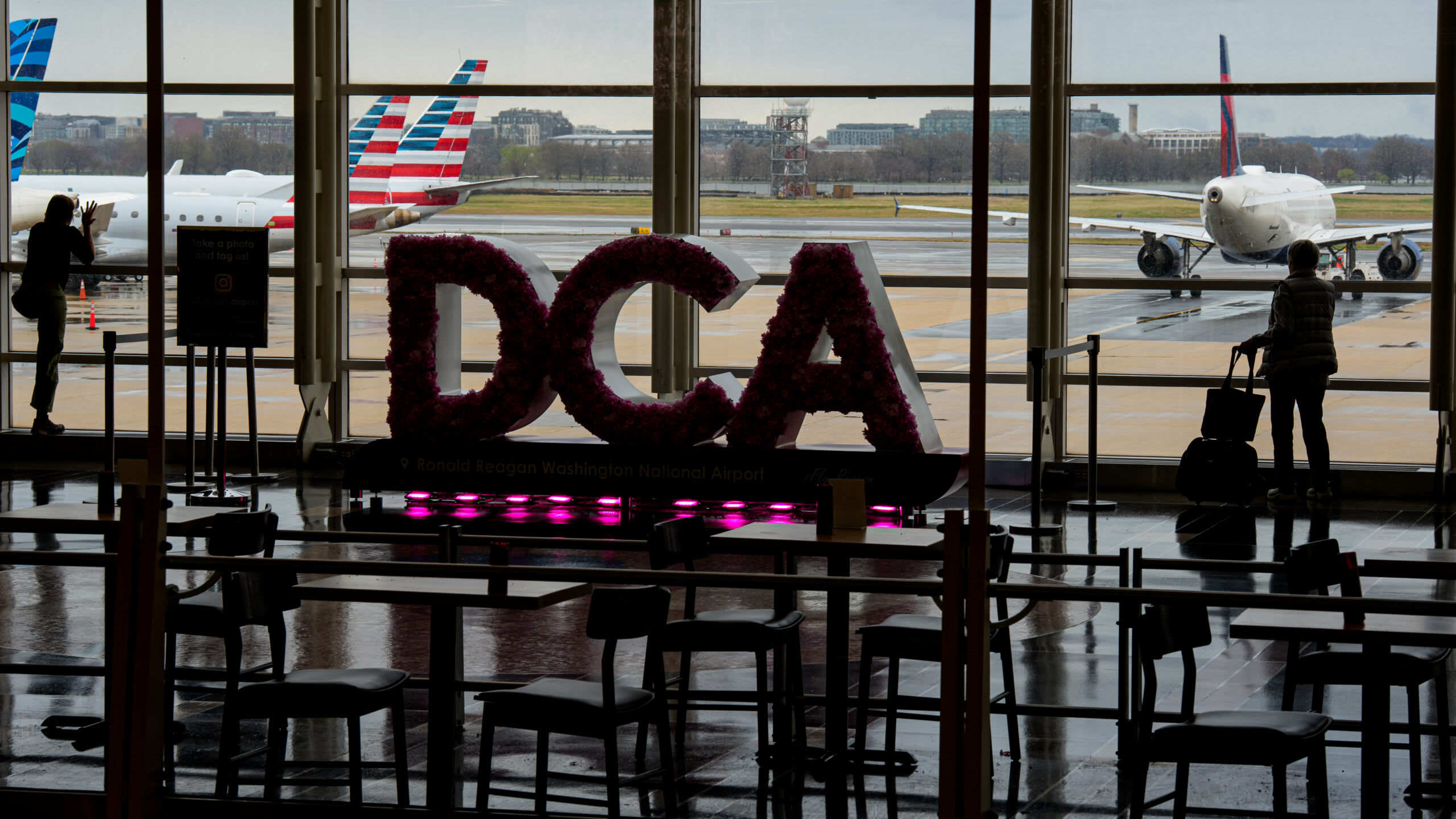
The FAA is launching an AI-powered tool called SMART to optimize air traffic management, beginning with a pilot program in the Washington, DC, area. This system aims to reduce congestion by predicting traffic flows and identifying potential conflicts before a planned nationwide implementation.
The FAA's Digital Transformation: Introducing the SMART System
The Federal Aviation Administration (FAA) has officially initiated a pivotal technological shift in aviation management with the upcoming debut of the SMART (System-wide Model for Air Traffic) tool. Designed to navigate the complexities of modern airspace, this AI-driven platform is set to begin operations in the Washington, DC, metropolitan area. By providing air traffic controllers with advanced predictive capabilities, the FAA aims to mitigate the chronic congestion challenges that have long plagued major transit hubs.
Operational Mechanics and Predictive Intelligence
At its core, the SMART system functions by synthesizing vast datasets to forecast air traffic patterns. The AI model accounts for critical variables, including real-time airline schedules, volatile weather patterns, airport capacity limits, and current airspace conditions. By identifying potential conflicts before they manifest, the system allows controllers to make proactive adjustments, theoretically reducing delays and enhancing the overall efficiency of the National Airspace System (NAS).
Strategic Phased Rollout
The decision to launch SMART in a limited scope around Washington, DC, reflects a cautious, risk-mitigation strategy. By testing the tool in one of the most complex and high-density airspaces in the United States, the FAA can refine its algorithms and operational protocols in a controlled environment. This phased approach serves as a critical proof-of-concept before the agency attempts to scale the technology to cover the entirety of the 29 million square miles of US-controlled airspace.
Broader Implications for Aviation Safety
Integrating artificial intelligence into air traffic control represents a fundamental evolution in how the FAA manages safety. Historically, traffic management has relied heavily on the manual, cognitive load of human controllers. While human oversight remains the cornerstone of aviation safety, the addition of AI provides a force multiplier that can process information at a speed and scale far beyond human capacity. This transition seeks to harmonize the growing demand for air travel with the physical limitations of current infrastructure.
Future Trends and Industry Impact
Looking forward, the success of the SMART system could set a global precedent for AI integration in civil aviation. As the industry faces increasing pressure to reduce carbon emissions through more direct flight paths and reduced taxi times, AI tools that optimize traffic flow provide a clear path toward greater sustainability. If the nationwide rollout proves successful, it will likely serve as the foundation for a more automated, resilient, and responsive air traffic control network, setting the standard for global aviation management in the coming decades.