25k farmers bring Chandigarh to grinding halt
Source Entity
Latest News: Today's Latest News Headlines from India & World | Hindustan Times | Hindustan Times
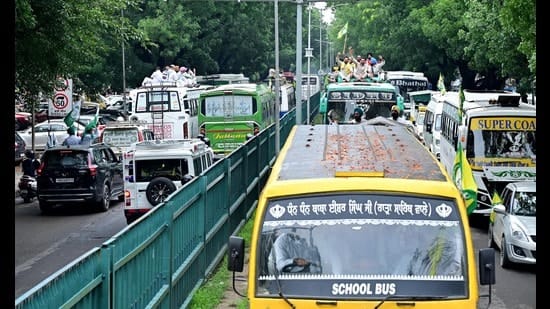
Rain compounds problems; residents question the administration & police’s decision to allow the rally, given that the city is already susceptible to traffic snarls during rains
Urban Paralysis: The Impact of the Farmers' Rally in Chandigarh
The city of Chandigarh recently experienced a total logistical collapse as an estimated 25,000 farmers descended upon the city for a massive rally. The sheer volume of protesters, coupled with the logistical challenges of managing such a large crowd in a planned city, brought movement to a grinding halt. This event highlights the ongoing tension between the democratic right to protest and the operational necessity of maintaining urban mobility, particularly in a city that serves as the administrative hub for two major states.
The Compounding Effect of Weather
One of the most critical aspects of this disruption was the timing of the rally in conjunction with rainfall. Chandigarh, while meticulously planned, often struggles with traffic snarls and water-logging during heavy rains. The arrival of 25,000 individuals and their associated vehicles during a downpour created a 'perfect storm' of congestion. Rain typically slows down traffic flow and reduces visibility, and when added to the roadblocks and diversions necessitated by a mass protest, the result was a city-wide gridlock that left residents stranded for hours.
Administrative and Police Oversight
There is significant public outcry regarding the decision-making process of the local administration and police. Residents have questioned why a rally of this magnitude was permitted during a period of inclement weather, knowing the city's existing susceptibility to traffic failures during the rainy season. This suggests a potential lapse in risk assessment and inter-departmental coordination. The failure to implement a more robust traffic diversion plan or to reschedule the event indicates a struggle by the authorities to balance the legal permissions granted to the farmers with the practical needs of the city's inhabitants.
Regional Socio-Political Context
To understand the scale of this event, one must look at the regional context. Chandigarh is the joint capital of Punjab and Haryana, two states where agriculture is the primary economic driver and farmer unions possess immense political mobilization power. The choice of Chandigarh as a site for the rally is strategic; by paralyzing the administrative center, protesters ensure maximum visibility and exert direct pressure on government officials. This pattern of mobilization has become a hallmark of agricultural advocacy in Northern India, where the 'blockade' is used as a primary tool for negotiation.
The Friction Between Urban and Rural Interests
This event underscores a growing friction between the urban population of Chandigarh and the rural farming communities. While the farmers seek to voice their grievances and demand policy changes, the urban residents—including essential service workers and commuters—bear the brunt of the logistical fallout. The frustration expressed by residents is not necessarily directed at the farmers' cause, but rather at the administrative failure to safeguard the city's functionality. This divide illustrates the challenge of managing diverse stakeholders in a region where agricultural interests often collide with urban infrastructure limits.
Future Implications and Urban Planning
Looking forward, this event serves as a cautionary tale for urban administrators. There is an urgent need for a more dynamic 'crowd-and-weather' management protocol. Future rallies will likely require more stringent conditions, such as mandatory staggered arrivals or the designation of periphery parking zones to prevent the city center from becoming a bottleneck. If the administration continues to allow large-scale gatherings without accounting for environmental variables like rain, the city risks permanent damage to its reputation as an efficient administrative capital.
Summary
In conclusion, the rally of 25,000 farmers in Chandigarh was more than just a political demonstration; it was a logistical failure exacerbated by poor weather. The resulting gridlock has sparked a necessary conversation about the administration's responsibility to maintain public order and mobility. While the right to assemble remains paramount, the lack of foresight regarding the weather's impact on Chandigarh's infrastructure turned a planned protest into an urban crisis.
Verification Required?