Four die in grounded ship during suspected theft in Mumbai waters
Source Entity
Manish Kumar Pathak
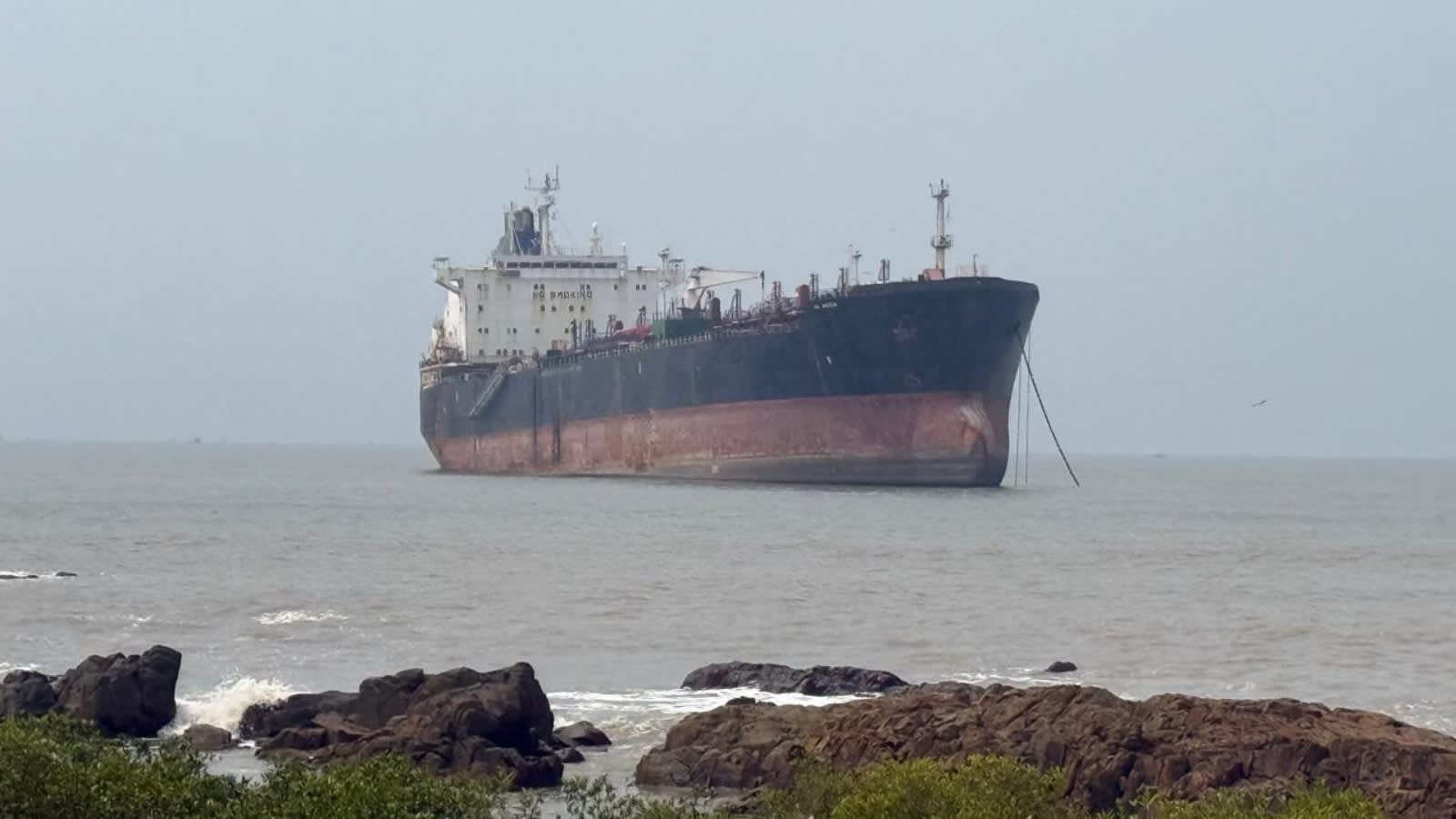
A fatal incident occurred on a grounded, Nicaragua-flagged tanker near Mumbai when an attempt to steal copper pipes led to a deadly gas release. Four individuals died from suspected suffocation, while three others managed to flee the scene.
Tragedy Aboard the MT Al Jafzia: A Case of Illegal Salvage Gone Wrong
A disturbing incident unfolded in the waters off Mumbai near Manori Island, where a group of seven individuals attempted to strip a grounded merchant vessel for parts. The vessel, identified as the Nicaragua-flagged MT Al Jafzia, became the site of a fatal accident that highlights the extreme risks associated with illegal salvage operations. According to local police, the group entered the grounded tanker on a Saturday evening with the specific intent of removing copper pipes, a common target for illicit metal theft due to its high resale value.
The Mechanics of the Fatal Blast
Preliminary investigations suggest that the tragedy was triggered by a technical failure during the unauthorized dismantling process. As the individuals attempted to cut into the vessel’s infrastructure, it is suspected that a pressurized pipe connected to the ship’s air-conditioning system was compromised. The subsequent rupture likely released a concentrated volume of gas within the confined space of the engine room. This rapid depressurization and chemical release proved lethal, causing the immediate death of four individuals through suspected suffocation.
Challenges in Maritime Security
The presence of a grounded, foreign-flagged vessel like the MT Al Jafzia near Mumbai’s coastline presents a persistent challenge for maritime security and local law enforcement. Grounded ships, if not properly secured or guarded, often become magnets for opportunistic theft. The incident underscores the difficulty of monitoring abandoned or stranded vessels, which can remain in precarious states for extended periods, effectively becoming 'urban exploration' sites that carry lethal hazards for those unaware of the structural and mechanical dangers within.
Human Cost and Legal Consequences
The human toll of this incident is significant, with one survivor, 40-year-old Vijaya Premnath Sanjiva, suffering from facial injuries and temporary unconsciousness following the gas exposure. His escape, aided by two other associates, provides critical testimony for the ongoing police investigation. Beyond the immediate loss of life, the survivors now face potential legal repercussions for their role in the trespassing and theft attempt. This event serves as a grim reminder of the dangers inherent in scavenging industrial equipment from decommissioned or stranded maritime assets.
Future Implications for Coastal Safety
Moving forward, this incident will likely prompt a review of the safety protocols surrounding grounded vessels in the Mumbai region. Authorities may face increased pressure to ensure that such vessels are either salvaged promptly or secured against unauthorized entry to prevent future tragedies. The combination of structural decay in grounded ships and the hazardous materials present—ranging from refrigerant gases to residual fuel—creates a volatile environment that poses a severe threat not only to the perpetrators of theft but also to the surrounding marine ecosystem and first responders.