Govt body rejects ‘ ₹1,160 crore rice diversion for ethanol’ in Madhya Pradesh claim
Source Entity
Latest News: Today's Latest News Headlines from India & World | Hindustan Times | Hindustan Times
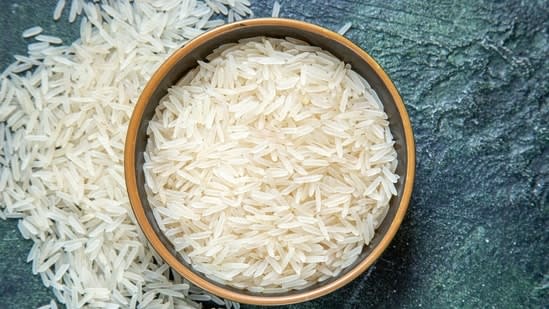
The Food Corporation of India said the ₹1,160 crore figure represented the value of rice legally supplied to distilleries under the ethanol blending programme.
Clarifying the Narrative: FCI Refutes Rice Diversion Claims in Madhya Pradesh
Recent reports regarding the movement of grain in Madhya Pradesh have sparked a debate over the legitimacy of rice allocation. The Food Corporation of India (FCI), the central agency responsible for procuring and distributing food grains, has stepped in to decisively reject claims that ₹1,160 crore worth of rice was 'diverted.' The core of this dispute lies in the terminology used; while critics or reports labeled the movement as a 'diversion'—a term often associated with illegal siphoning or corruption—the FCI has clarified that these transactions were authorized legal supplies intended for the government's ethanol blending initiative.
The Role of FCI and the Sensitivity of Grain Movement
To understand the gravity of this clarification, one must consider the role of the Food Corporation of India. The FCI manages the nation's buffer stocks to ensure food security and price stability. Because the agency handles massive quantities of public resources, any allegation of 'diversion' is treated with extreme seriousness, as it implies a breach of the Public Distribution System (PDS) or a failure in oversight. By explicitly stating that the ₹1,160 crore figure represents legal supplies, the FCI is protecting the integrity of its distribution chain and dismissing narratives of administrative malpractice in Madhya Pradesh.
Contextualizing the Ethanol Blending Programme (EBP)
This event is a direct byproduct of India's ambitious Ethanol Blending Programme (EBP). The Indian government has set aggressive targets to increase the blend of ethanol in petrol—aiming for 20% blending (E20) by 2025-26. To achieve this, the government allows the use of surplus food grains, including rice, as feedstock for distilleries. This strategic shift serves a dual purpose: it reduces India's heavy reliance on expensive crude oil imports, thereby saving foreign exchange, and it provides a mechanism to manage excess grain stocks that might otherwise spoil in warehouses.
Economic Implications of the ₹1,160 Crore Valuation
The figure of ₹1,160 crore is not a loss or a deficit, but rather the market valuation of the raw material shifted from the food supply chain to the energy supply chain. This movement supports a growing ecosystem of distilleries and bio-fuel plants across Madhya Pradesh and other states. By utilizing rice for ethanol, the government creates a secondary demand for the crop, which can help stabilize prices for farmers and incentivize agricultural productivity while contributing to a greener, more sustainable fuel economy.
Political Friction and Administrative Oversight
In the political landscape of Madhya Pradesh, the movement of government-held commodities is often a point of contention. The labeling of legal supplies as 'diversion' often stems from a lack of transparency or communication between the implementing agencies and oversight bodies. This specific rejection by the FCI serves as a necessary administrative correction to prevent the weaponization of financial data. It highlights the tension between the rapid implementation of new industrial policies (like bio-fuel production) and the traditional auditing processes used for food security.
Future Trends in Bio-fuel Integration
Looking ahead, the volume of grain allocated for ethanol production is likely to increase as India scales its E20 goals. This will necessitate more robust and transparent tracking systems to distinguish between legitimate policy-driven allocations and actual leakages. We can expect the government to further refine the guidelines for 'grain-to-fuel' conversions to avoid such misunderstandings in the future. As Madhya Pradesh continues to emerge as a hub for agricultural processing, the synergy between the FCI and the distillery sector will become a critical pillar of the state's economic strategy.
Summary
The FCI's clarification transforms a narrative of potential corruption into one of policy execution. The ₹1,160 crore in rice was not stolen or misplaced but was strategically deployed to support India's energy independence through the ethanol blending programme, underscoring the complex intersection of food security and renewable energy goals.
Verification Required?