Analysis: The Fed's chairman sees an AI revolution coming. Now he has to figure out what it means
Source Entity
US Top News and Analysis
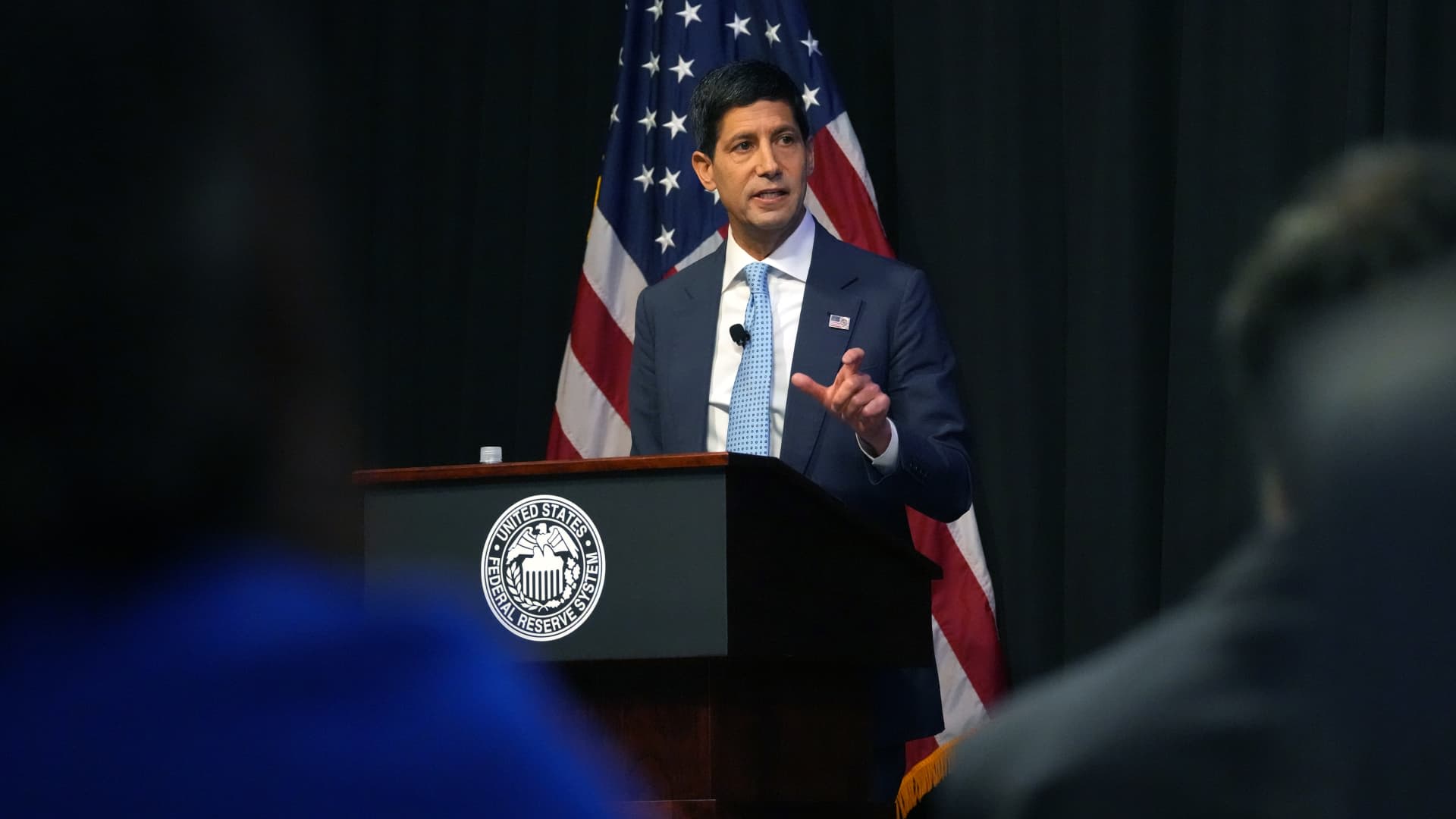
Federal Reserve Chairman Kevin Warsh has launched a dedicated task force to evaluate the transformative economic impact of artificial intelligence. While acknowledging AI's potential to boost productivity, the Fed is carefully weighing risks such as widespread job displacement and uncertain effects on monetary policy.
The Federal Reserve’s Strategic Pivot Toward AI
Federal Reserve Chairman Kevin Warsh has officially signaled that the central bank is entering a new era of economic oversight, marked by the formation of a specialized task force dedicated to artificial intelligence. Meeting in San Francisco, the chairman underscored that the U.S. economy is at a "hinge point," where the rapid integration of AI into business and daily life necessitates a profound re-evaluation of traditional economic indicators. By convening experts to examine productivity and employment, the Fed is acknowledging that the current technological shift is too significant to ignore in the context of long-term monetary policy.
The Dual-Edged Sword of Technological Advancement
Chairman Warsh’s discourse highlights the complex duality of the AI revolution. On one hand, there is the potential for substantial productivity gains that could bolster American economic leadership and long-term growth. On the other hand, the Fed is bracing for the possibility that these technologies could "disappoint" if they fail to deliver on lofty expectations or, conversely, cause significant market volatility. The concern is not merely about growth, but about the structural integrity of the labor market, specifically regarding how AI might reshape white-collar employment.
Implications for Monetary Policy
For the Federal Reserve, the central challenge lies in translating technological disruption into actionable monetary policy. Interest rates and inflation targets are traditionally calibrated based on established labor market metrics and productivity data. However, if AI fundamentally alters the speed of production or the nature of job stability, the Fed’s existing models may become obsolete. Warsh’s emphasis on the "important implications for monetary policy down the road" suggests that the central bank is preparing for a future where traditional economic levers may require recalibration to account for AI-driven fluctuations.
Addressing Labor Market Vulnerabilities
Perhaps the most pressing concern addressed by the task force is the potential for widespread job losses. By focusing specifically on the intersection of productivity and employment, the Fed is signaling that it views the social costs of AI as a macroeconomic risk. If artificial intelligence leads to a permanent displacement of human capital, the resulting shifts in consumer spending and income inequality would force a change in how the Fed views full employment—a key component of its dual mandate.
Navigating Uncertainty and Future Trends
As the Fed staff begins to develop various scenarios, the primary goal is to move from reactive policy to proactive assessment. Warsh’s refusal to offer concrete predictions at this early stage highlights the inherent unpredictability of technological "hinge points." Looking ahead, the Federal Reserve will likely be forced to play a more active role in monitoring tech-sector developments, as the line between technological innovation and monetary stability continues to blur. The success of this initiative will depend on the Fed's ability to remain agile while managing the high stakes of American economic competitiveness.