Analysis: Kevin Warsh sharpens inflation warning at Jackson Hole, signaling possible rate hike
Source Entity
US Top News and Analysis
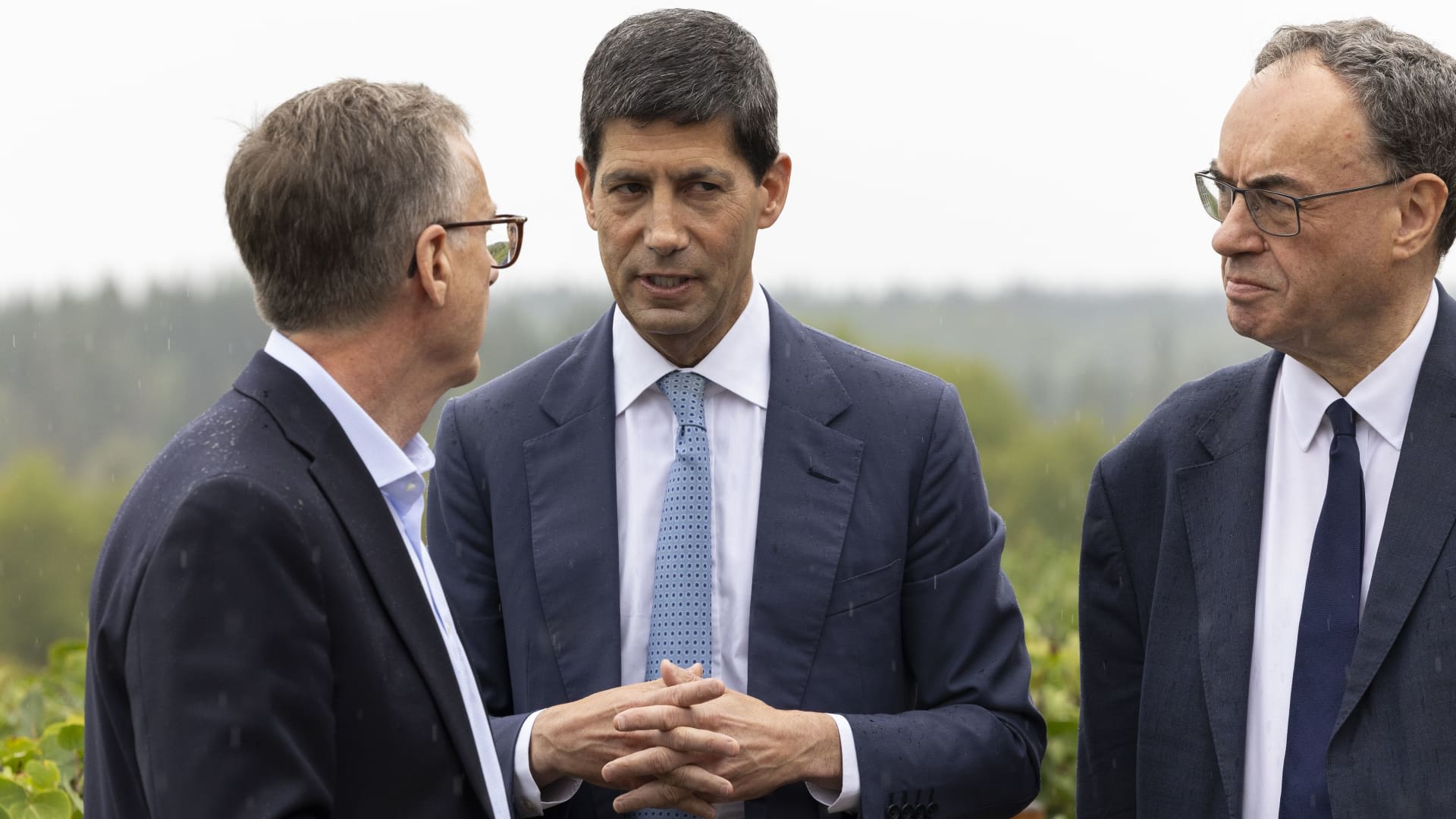
Federal Reserve Chairman Kevin Warsh addressed the Jackson Hole Symposium amidst rising inflation concerns and market uncertainty. He signaled that interest rates may need to rise further, emphasizing that current progress on inflation remains insufficient.
The Jackson Hole Dilemma: Inflation and Fed Strategy
The annual Jackson Hole Economic Policy Symposium has once again become the epicenter of global financial anxiety. As policymakers and market participants gathered in Wyoming, the primary focus rested on Federal Reserve Chairman Kevin Warsh and his approach to an increasingly stubborn inflationary environment. The atmosphere, characterized by both literal and metaphorical 'sticky' elements, underscored the precarious position the Federal Reserve finds itself in as it attempts to balance economic growth with price stability.
The Data Pressure Cooker
Recent data from the US Bureau of Economic Analysis has served as a catalyst for this heightened tension. The Personal Consumption Expenditures (PCE) index—a key metric for the Fed—revealed a 3.7% year-over-year increase in July. This figure arrived higher than market expectations, effectively cooling hopes for an imminent interest rate cut. With inflation persisting above the central bank’s long-standing 2% target, the discrepancy between market optimism and economic reality has created a volatile backdrop for the Chairman’s address.
Warsh’s Policy Philosophy
In his highly anticipated remarks, Chairman Warsh adopted a cautious, deliberate tone. He explicitly stated that while recent summer inflation readings showed marginal improvement, they failed to signal a meaningful shift in underlying trends. By advocating for a 'quieter' central bank, Warsh attempted to distance the Fed from the short-term noise of market speculation. However, he remained firm on the necessity of action, suggesting that if progress toward the 2% target does not accelerate, further interest rate hikes remain firmly on the table.
Market Reaction and Uncertainty
Financial markets entered the day in a state of fragmentation, reflecting the prevailing uncertainty. As investors awaited Warsh’s speech, the Dow Jones Industrial Average showed modest gains, while the Nasdaq faced pressure, indicating a divergence in sector confidence. This split reflects the market’s struggle to interpret the Fed’s 'reaction function'—the specific economic triggers that would necessitate further rate adjustments. Investors are desperate for clarity, yet Warsh’s strategy of avoiding specific forward guidance has left many institutional players guessing.
The 2% Target Debate
The persistence of inflation has prompted some analysts to question the sustainability of the Fed’s 2% inflation mandate. While the central bank continues to treat this target as a cornerstone of its policy, the difficulty in reaching it given current global economic pressures has sparked a quiet, yet significant, debate about whether that goal is still realistic. Warsh’s insistence that the Fed must be confident in its objective suggests that for now, the central bank is not ready to abandon its anchor, despite the economic cost of maintaining such a stance.
Future Trends and Conclusion
Looking ahead, the path for the Federal Reserve appears fraught with complexity. The division among Fed officials regarding the necessity of further rate hikes suggests that future meetings will be characterized by intense internal debate. As the Fed navigates this 'sticky' inflationary period, the focus will remain on whether the current approach can successfully dampen price pressures without triggering a deeper economic slowdown. For investors and the broader public, the message from Jackson Hole is clear: the era of easy, predictable monetary policy has been replaced by a period of rigorous, data-dependent scrutiny.
Multiple Citing Sources