Trump demands 1% or lower interest rate after first Fed hike since 2023
Source Entity
US Top News and Analysis
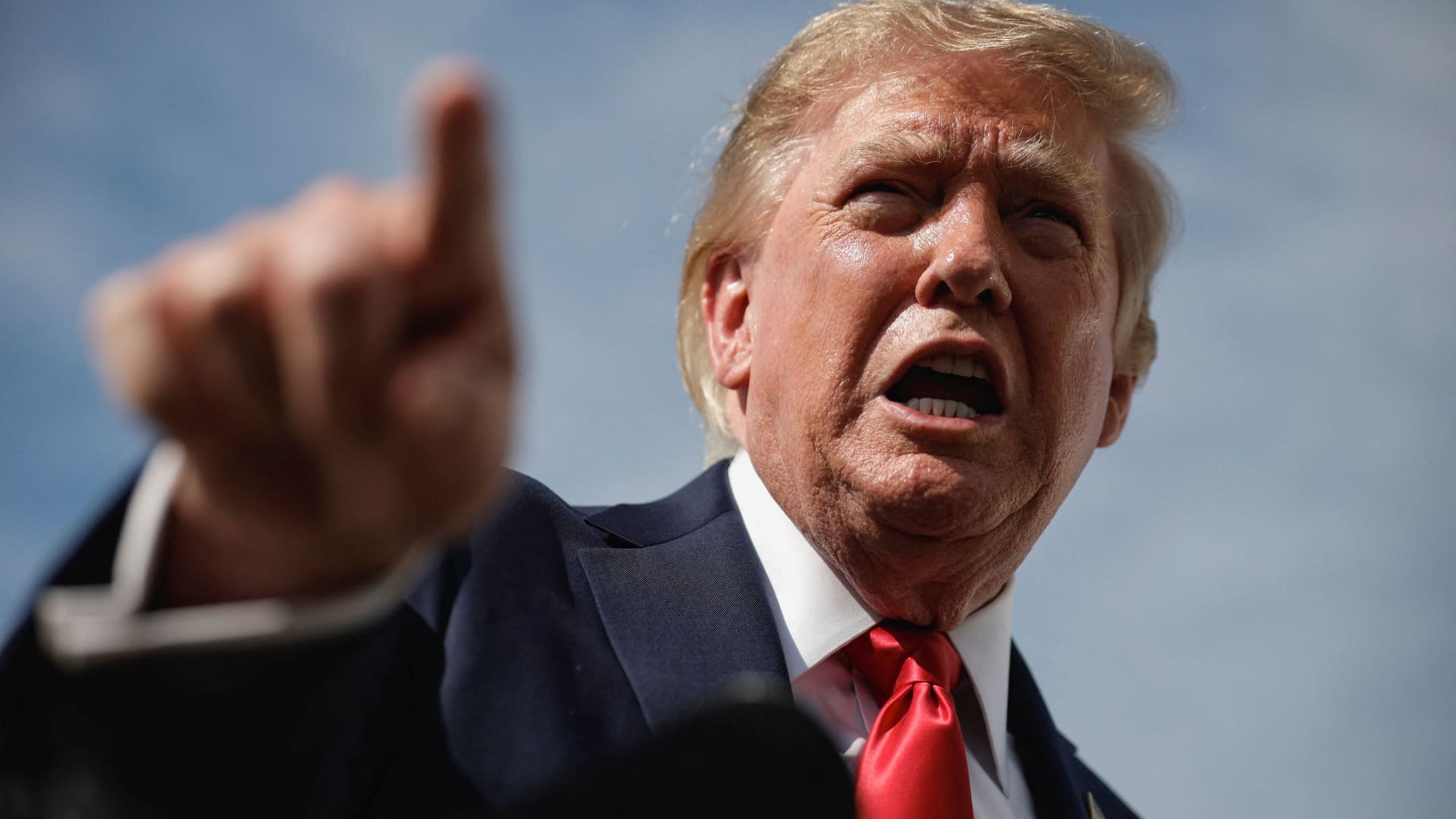
The Federal Reserve has raised interest rates to 3.75%-4% to combat persistent inflation. This unanimous decision by Fed Chair Kevin Warsh faces intense public opposition from President Donald Trump, who is demanding rates be cut to 1% or lower.
Federal Reserve Defies Presidential Pressure in Rate Hike Decision
In a significant move aimed at curbing persistent inflationary pressures, the Federal Reserve has raised benchmark interest rates to a target range of 3.75%-4%. This adjustment, representing the first rate hike in over three years, was finalized through a unanimous vote by the Federal Open Market Committee (FOMC). The decision underscores a strategic shift by the central bank to prioritize macroeconomic stability over political alignment, marking a pivotal moment in contemporary U.S. economic policy.
The Inflationary Mandate vs. Political Rhetoric
Fed Chair Kevin Warsh, an appointee of President Donald Trump, described the hike as a "sober" and "responsible" measure necessitated by inflation remaining stubbornly above the Fed’s 2% target. Despite the clear economic rationale provided by the central bank, the decision has ignited a public confrontation with the White House. President Trump has been vocal in his opposition, publicly demanding that rates be slashed to 1% or less, arguing that the U.S. deserves lower borrowing costs given its status as a global credit leader.
Implications of the Conflict
The tension between the White House and the Federal Reserve highlights a recurring struggle over institutional independence. While the Fed is designed to act autonomously to manage the money supply, the President’s vocal criticism—which includes threats regarding trade policy in connection to interest rate decisions—places immense pressure on the FOMC. Warsh’s refusal to engage in the political back-and-forth during his press conference emphasizes the Fed's attempt to maintain a firewall between monetary policy and partisan political maneuvering.
Economic Impact on Consumers and Borrowers
For the average American, the implications of this hike are immediate and tangible. Higher interest rates increase the cost of borrowing for mortgages, personal loans, and credit cards, which is intended to cool consumer spending and dampen price growth. Conversely, this environment may offer some relief to savers, as deposit accounts and other interest-bearing products may see improved yields. The central bank is betting that these tighter financial conditions will eventually bring inflation closer to its long-term target.
Future Trends and Institutional Stability
The ongoing standoff suggests that the path forward for U.S. monetary policy will remain volatile. If inflation does not subside, the Fed may be forced to implement further hikes, potentially escalating the friction with the administration. As the country navigates these economic headwinds, the durability of the Federal Reserve’s independence—and its ability to make unpopular decisions in the face of executive pressure—will remain a central theme in the nation's financial narrative.