Trump calls Supreme Court mail ballot ruling 'big loss for Republicans'
Source Entity
US Top News and Analysis
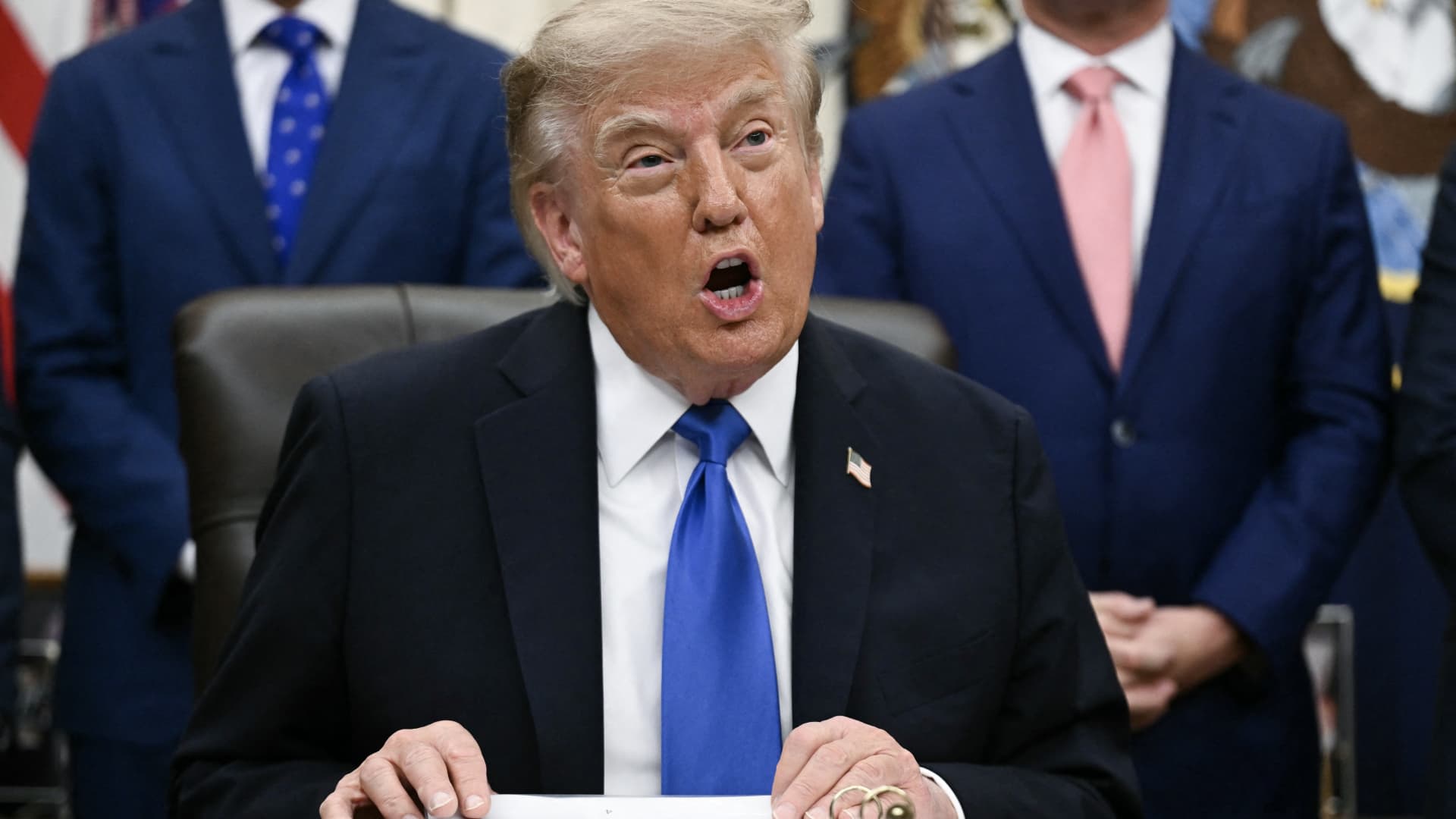
The U.S. Supreme Court has blocked the Trump administration from enforcing new, restrictive USPS mail-in ballot requirements ahead of the midterm elections. This decision upholds current state voting procedures, ensuring stability as ballots are already being distributed to voters.
Supreme Court Halts Trump Administration Mail-In Ballot Restrictions
In a pivotal legal development occurring just weeks before the midterm elections, the U.S. Supreme Court has declined to lift a judicial block on new U.S. Postal Service (USPS) rules concerning mail-in ballots. The administration had sought to implement these requirements following an executive order signed by President Donald Trump in March. By rejecting the administration's request, the Court has effectively maintained the status quo, ensuring that existing state-level ballot procedures remain in place for the upcoming contests.
The Legal Impasse
The Supreme Court’s unsigned ruling suggests that the administration is unlikely to succeed on the merits of its challenge against the preliminary injunction issued by a U.S. District Court. This legal maneuver was intended to facilitate the introduction of new requirements for election-related mail. However, the judiciary’s refusal to intervene underscores the high threshold required to alter voting infrastructure during an active electoral cycle, particularly when the changes could jeopardize the integrity of the voting process.
Impact on the 2026 Midterm Landscape
The timing of this ruling is critical, as states have already commenced the distribution of mail-in ballots. Justice Brett Kavanaugh noted that applying the contested Postal Service rule in the 2026 midterm elections would be "arbitrary and capricious," highlighting the logistical impossibility of implementing new systems without causing widespread voter confusion or disenfranchisement. With the control of both the House of Representatives and the Senate hanging in the balance, the stability of these voting mechanisms is paramount to the legitimacy of the results.
Historical and Procedural Context
This decision represents a significant setback for the administration’s broader strategy to reshape election procedures through executive action rather than legislative consensus. The conflict pits the administration’s desire for tighter controls on postal election logistics against the judiciary’s preference for procedural continuity. While the District Court judge indicated a possibility of ruling in favor of the administration at a later date, the immediate effect is a freeze on the proposed changes for this election cycle.
Broader Political Implications
The outcome of these midterms will determine the legislative agenda for the remainder of the administration's term. Given the slim margins currently held by Republicans in both chambers of Congress, every procedural barrier to voting carries immense weight. By keeping the existing mail-in ballot rules intact, the Supreme Court has prioritized the avoidance of last-minute electoral disruption over the administration’s push for new administrative requirements.
Future Trends and Judicial Oversight
Looking forward, this case serves as a precedent for how the judiciary may handle executive interventions into election administration. The focus remains on the balance between administrative authority and the protection of voter access. As the nation moves toward Election Day, this ruling ensures that the established systems—which voters and state officials have already prepared for—will remain the standard, mitigating the risk of administrative chaos in a highly polarized political environment.