Rajasthan urban local body elections: Candidates for mayors, chairpersons file nominations
Source Entity
India Latest News: Top National Headlines Today & Breaking News | The Hindu
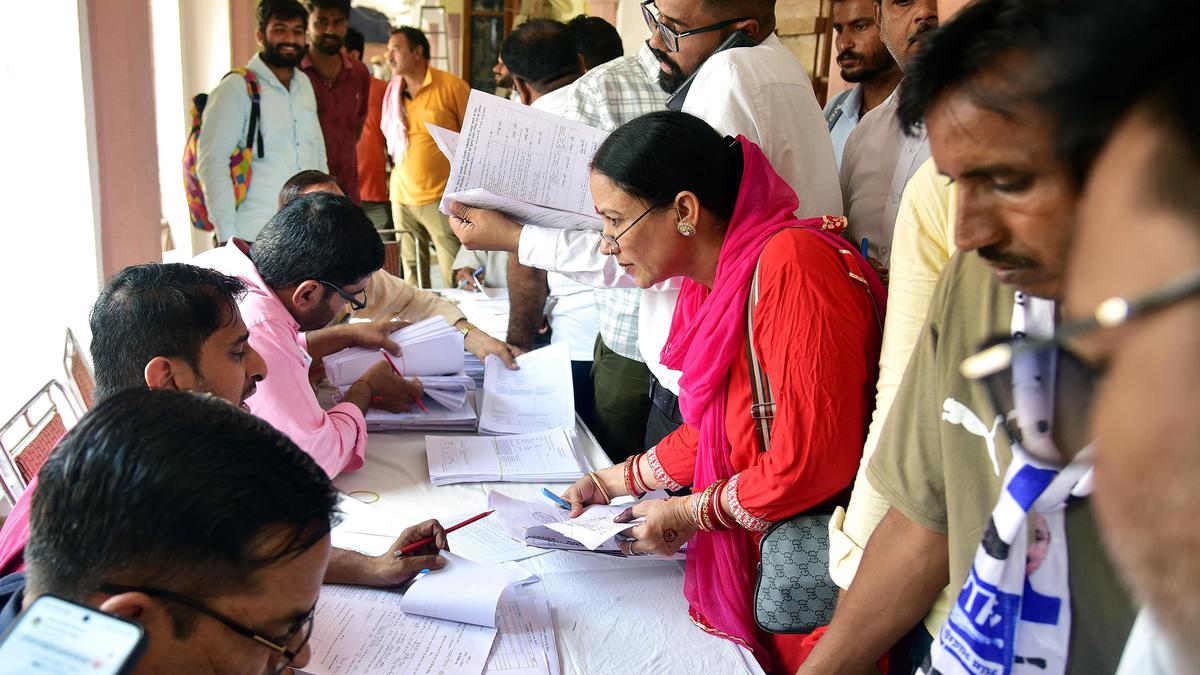
Rajasthan has commenced the nomination process for mayors and chairpersons across 305 urban local bodies. The election follows recent councillor polls, though proceedings have been deferred in Jaipur, Jodhpur, and Kota.
Election Dynamics in Rajasthan's Urban Governance
The democratic process in Rajasthan has entered a pivotal phase as the state initiates the election of mayors and chairpersons for 305 urban local bodies. This legislative exercise follows the recent conclusion of councillor elections, marking the final step in establishing local leadership across the state's municipal corporations, councils, and municipalities. The nomination phase, which began on Wednesday, represents a critical juncture for both major political players, the BJP and Congress, as well as independent candidates vying for localized influence.
The Nomination Landscape
Data released by the State Election Commission reveals a high level of political activity, with 989 nominations filed across the participating bodies. An interesting nuance of this filing process is the occurrence of multiple nominations for single candidates in various jurisdictions. This practice, while permissible, often reflects strategic maneuvering by parties to ensure backup options or to test political viability in different wards. The sheer volume of filings underscores the competitive nature of these municipal elections, which serve as a barometer for grassroots political sentiment.
Administrative Oversight and Scope
The scale of this electoral process is significant, covering 305 out of 309 designated urban local bodies. The State Election Commission, acting as the primary regulatory body, issued the formal notice on Tuesday to trigger the transition of power. By streamlining the selection of executive heads—mayors and chairpersons—the commission aims to complete the administrative restructuring required to manage urban infrastructure, sanitation, and local development projects effectively.
Deferrals and Regional Constraints
Despite the widespread nature of these elections, the process has been deferred in four key urban regions: Jaipur, Jodhpur, and Kota. These cities represent the most significant urban centers in Rajasthan, and the suspension of their mayoral elections suggests a need for further administrative or legal preparation. This pause highlights the complexities involved in managing large-scale urban governance, where population density and logistical requirements often necessitate a different timeline compared to smaller municipal bodies.
Broader Political Implications
For the BJP and Congress, these elections are more than just local administrative appointments; they are essential for consolidating regional power. Municipal bodies act as the primary interface between the state government and the public, directly influencing service delivery and urban planning. By securing these seats, political parties aim to strengthen their organizational reach and ensure that their development agendas are implemented at the municipal level, thereby influencing voter alignment for future state-level contests.
Future Outlook
As the nomination process concludes and the focus shifts to the final voting stages, the stability of these urban bodies will depend on the successful inauguration of their new leadership. The upcoming results will not only determine the management of urban services in Rajasthan but will also serve as a critical indicator of political stability within the state. Observers will be closely monitoring how the deferred elections in Jaipur, Jodhpur, and Kota are eventually resolved, as these will be the final pieces of the puzzle in Rajasthan’s urban political map.
Verification Required?