Don’t trust verbal assurances from Centre: Omar to Ladakh’s leaders
Source Entity
Latest News: Todays Latest News Headlines from India & World | Hindustan Times | Hindustan Times
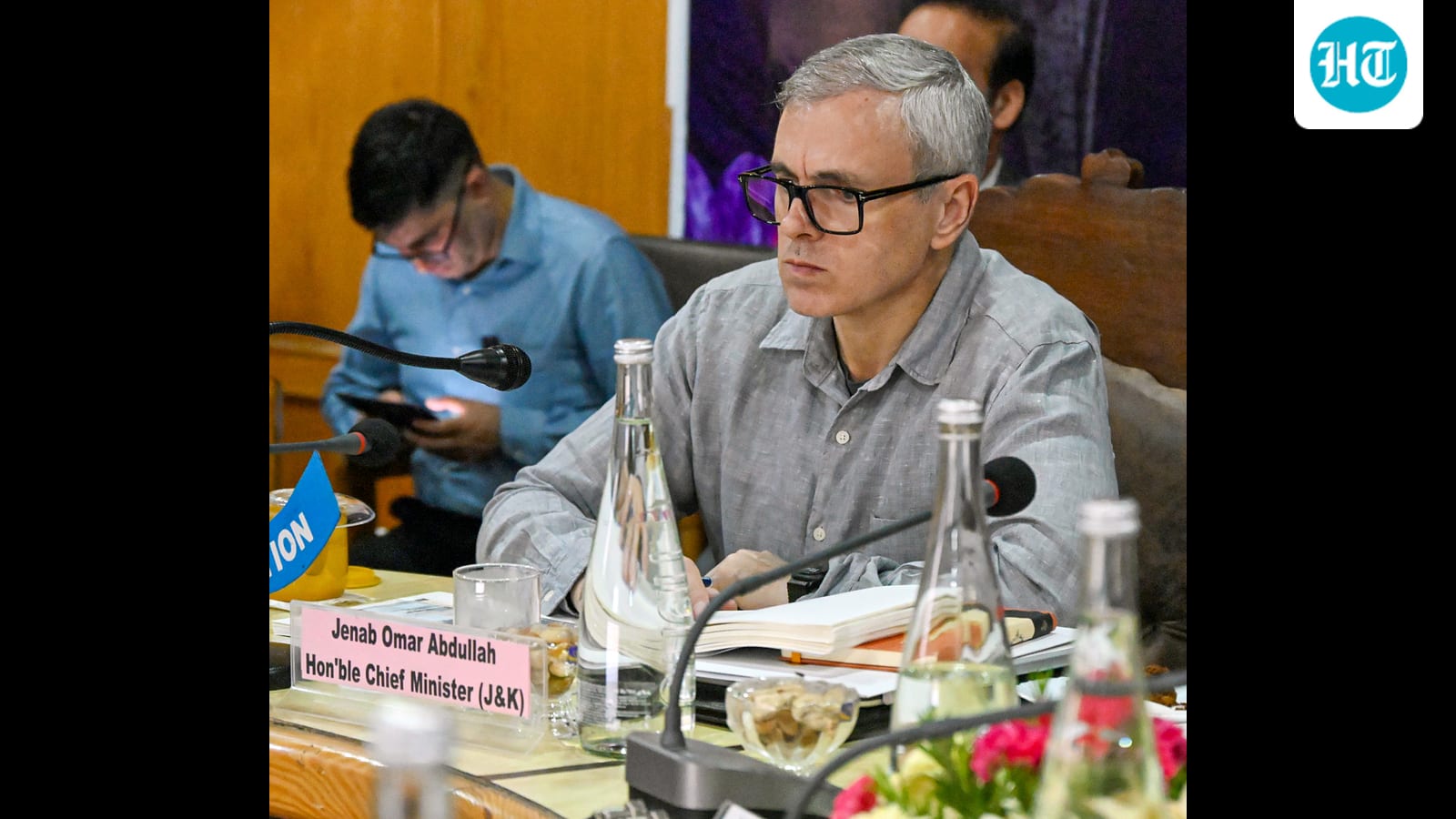
J&K Chief Minister Omar Abdullah has urged Ladakhi leaders to demand written guarantees from the Centre regarding constitutional safeguards. This follows failed talks between the Ladakh Apex Body, the Kargil Democratic Alliance, and the Union government.
Omar Abdullah’s Warning to Ladakh: A Call for Written Guarantees
Jammu and Kashmir Chief Minister Omar Abdullah recently offered a pointed piece of political advice to the leadership of Ladakh: do not rely on verbal assurances from the Central government. Speaking in the wake of stalled negotiations between the Ladakh Apex Body (LAB) and the Kargil Democratic Alliance (KDA) with New Delhi, Abdullah emphasized that constitutional protections regarding land and jobs must be codified in writing to be considered credible.
The Failure of Recent Negotiations
The context for these remarks lies in the recent, inconclusive round of talks held in the national capital between the Centre and representatives from Ladakh. Despite the concerted efforts of the LAB and KDA to secure specific constitutional safeguards, the failure to reach a concrete outcome has heightened skepticism among regional leaders. Abdullah’s intervention highlights the growing frustration regarding the central government's approach to administrative and political promises in the region.
Drawing from the J&K Experience
Abdullah’s cautionary stance is deeply rooted in his own political experience with the Centre. He explicitly cited the unfulfilled promises regarding the restoration of statehood for Jammu and Kashmir as a primary example of why verbal commitments often lack long-term reliability. By positioning himself as an "elder brother" to the Ladakhi leadership, he is drawing a direct parallel between the political limbo of J&K and the ongoing struggle for autonomy and protection in Ladakh.
The Importance of Constitutional Safeguards
For Ladakh, the demand for constitutional safeguards is not merely a political preference but a perceived necessity for the preservation of their cultural, environmental, and economic integrity. The struggle centers on concerns over land rights and employment opportunities, which local leaders fear will be diluted without formal legal protections. Abdullah’s advice underscores the necessity of moving beyond informal dialogues toward binding, transparent agreements.
Broader Political Implications
This development signals a deepening rift in the communication between the Union government and the Himalayan regions. If regional leaders continue to feel that their demands are met only with vague promises, the potential for civil unrest or political alienation increases. Abdullah's public push for written deals suggests that the era of relying on top-down verbal assurances is ending, replaced by a more assertive demand for institutional accountability.
Future Trends in Regional Governance
Looking ahead, this dynamic suggests that future negotiations between the Centre and the frontier regions will likely be defined by a higher threshold for trust. As the demand for written, legally binding documentation becomes the standard, the government may face increased pressure to formalize its commitments. Whether this leads to a resolution or further stalemate depends on the willingness of the Centre to move beyond rhetoric and provide the constitutional clarity that regional leaders are now demanding.
Verification Required?