Once allies, now rivals: Decoding deepening fault lines between Akhilesh & Jayant
Source Entity
PRIYANKA MUKHERJEE
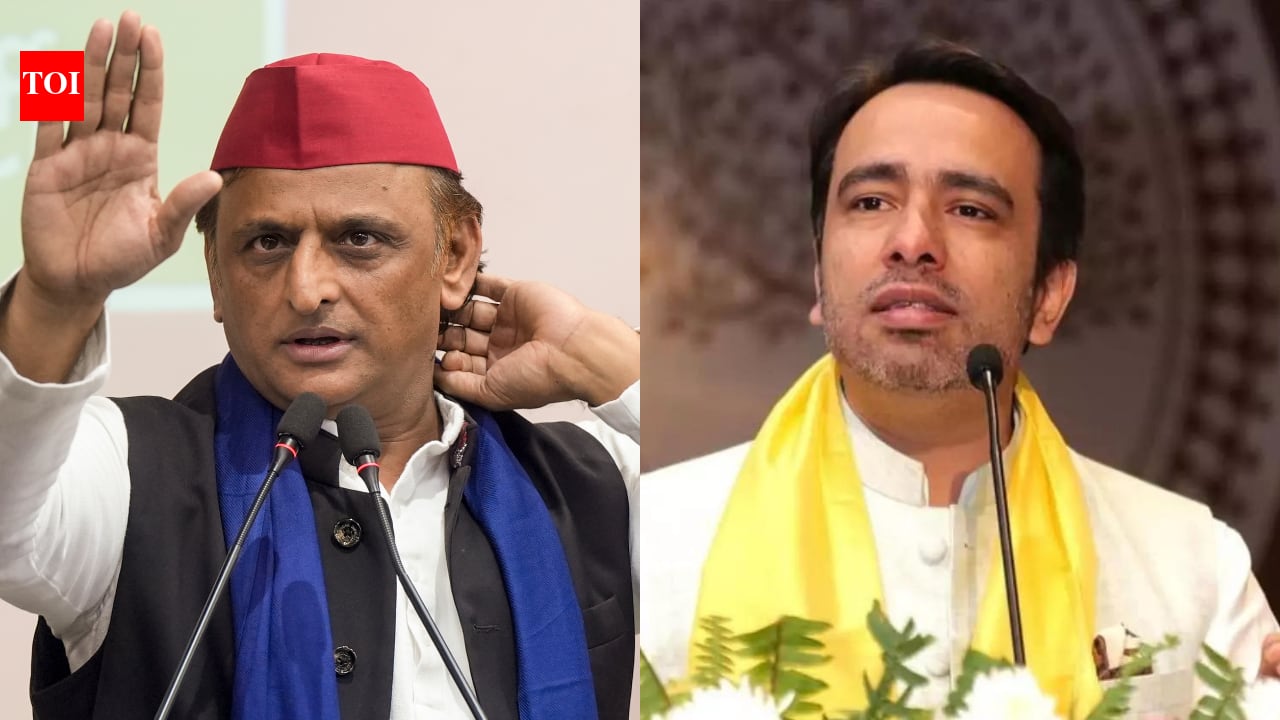
The political alliance between Akhilesh Yadav and Jayant Choudhary has fractured into a bitter rivalry. This fallout centers on disputes over seat-sharing arrangements and the legacy of Chaudhary Charan Singh.
The Fracture of an Alliance: Analyzing the Yadav-Choudhary Divide
The political landscape of Uttar Pradesh is witnessing a significant reconfiguration as the alliance between Akhilesh Yadav’s Samajwadi Party (SP) and Jayant Choudhary’s Rashtriya Lok Dal (RLD) dissolves into an increasingly acrimonious rivalry. Once viewed as a formidable coalition capable of challenging dominant political forces in the state, the relationship has now hit a breaking point, characterized by personal barbs and public disagreements that signal a deeper ideological and tactical split.
The Catalyst: Seat Allocation Disputes
At the heart of this discord lies the contentious issue of seat-sharing. Negotiations regarding electoral constituencies have historically been the Achilles' heel of coalition politics in India, and this instance is no different. Jayant Choudhary’s public criticism of Akhilesh Yadav stems from a fundamental disagreement over the valuation of the RLD’s electoral strength versus the SP’s expectations. This transactional friction has moved beyond mere negotiation, evolving into a public battle for political relevance.
The Weight of Legacy
Perhaps the most sensitive dimension of this fallout is the invocation of Chaudhary Charan Singh’s legacy. Akhilesh Yadav’s remarks, which sought to tie the RLD’s seat allocation to the political heritage of the late leader, have been perceived by the RLD as an attempt to undermine their autonomy. By leveraging the legacy of a titan of farmer politics, both leaders are essentially fighting to secure the loyalty of the agrarian voter base in Western Uttar Pradesh, a region where this legacy holds immense electoral weight.
The Shift Toward Personal Rivalry
What distinguishes this conflict from standard political maneuvering is the shift toward personal, bitter exchanges. When leaders begin to trade public barbs, it suggests that the bridge-building efforts have ceased. The "If I open my mouth" rhetoric employed by the leadership indicates a stockpile of grievances that, if revealed, could permanently alter the political discourse in the state. This level of vitriol suggests that the fallout is not just about seat numbers but about a fundamental breakdown in trust.
Strategic Implications and Future Trends
Looking ahead, the question remains whether Akhilesh Yadav might inadvertently assist Jayant Choudhary, or if this divorce will leave both parties vulnerable to their mutual political opponents. Historically, when opposition alliances fracture in Uttar Pradesh, the primary beneficiary is often the incumbent power. If the two parties continue to alienate each other, they risk diluting their collective bargaining power, effectively handing an advantage to their rivals in the upcoming electoral cycles.
Conclusion
The dissolution of the SP-RLD partnership marks a volatile turn in regional politics. As both leaders prioritize their individual party interests over the coalition strategy, the discourse has shifted from collaborative governance to legacy preservation and personal point-scoring. Whether this rivalry leads to a permanent realignment or a tactical adjustment remains to be seen, but the current trajectory suggests a period of significant instability for the opposition block in the region.