As Fed rolls out its first interest-rate hike in 3 years, officials are divided on what to do next
Source Entity
Greg Robb
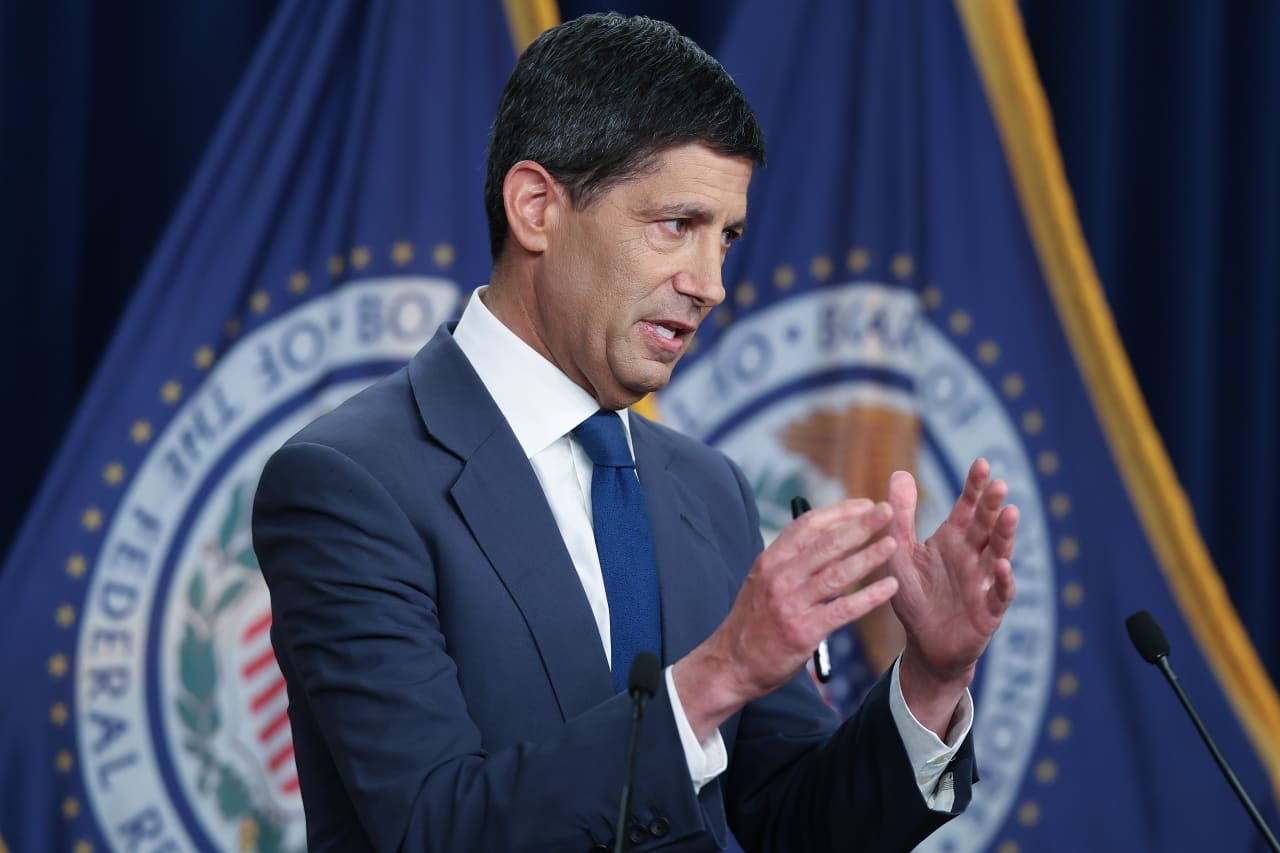
The Federal Reserve has implemented its first interest-rate hike in three years to combat economic shifts. While the decision to raise rates was unanimous, policymakers remain divided on the trajectory of future adjustments.
The Fed’s Strategic Pivot: Analyzing the First Rate Hike in Three Years
After a prolonged period of maintaining near-zero interest rates to stimulate the economy following the onset of global volatility, the Federal Reserve has officially initiated a tightening cycle. This move, marking the first interest-rate hike in three years, represents a significant shift in monetary policy aimed at addressing emerging economic pressures. While the decision to raise rates was reached with unanimous support from the policy-making committee, the lack of consensus regarding subsequent actions highlights the complexity of the current financial climate.
Unanimity in Action, Division in Vision
The unanimity displayed during the initial vote suggests a collective recognition within the Federal Reserve that the era of ultra-easy monetary policy must come to an end. By acting as a single unit, the committee signaled to markets that the central bank is prepared to confront inflation and economic overheating. However, the subsequent split in forward guidance reveals a deep-seated uncertainty regarding the pace and magnitude of future rate hikes. This divergence among officials reflects the difficulty of balancing the need to curb inflation without inadvertently stifling economic growth.
The Challenge of Forward Guidance
Forward guidance serves as a critical tool for the Federal Reserve to manage market expectations. When the committee presents a fractured view of future policy, it can lead to increased market volatility as investors struggle to price in the central bank's next moves. The division noted in the recent proceedings suggests that policymakers are weighing several competing factors, including labor market strength, supply chain constraints, and the persistent nature of inflationary pressures.
Historical Context and Economic Implications
To understand the gravity of this decision, one must look at the historical context of the last three years. The Fed’s previous stance was defined by extraordinary intervention to support households and businesses. Transitioning away from this framework is a delicate operation. Historically, central banks that move too slowly risk allowing inflation to become entrenched, while those that move too aggressively risk triggering a recession. The current debate among Fed officials is essentially a microcosm of this classic central banking dilemma.
Future Trends and Market Outlook
Looking ahead, the market will be hyper-focused on the evolving consensus within the Federal Reserve. Future trends in interest rates will likely be data-dependent, with officials watching monthly inflation and employment reports closely. If inflation data continues to surprise to the upside, the divide in forward guidance may narrow toward a more aggressive stance. Conversely, signs of economic cooling could bolster the argument for a more measured approach. Investors should expect continued sensitivity to every signal emitted by the committee as they navigate this transition phase.
Conclusion
In summary, the Federal Reserve's first rate hike in three years is a pivotal moment that marks the end of an extraordinary economic chapter. While the committee remains united in its primary mandate to maintain stability, the internal debate over the path forward underscores the precarious nature of the current recovery. As the Fed continues to deliberate, its ability to communicate a clear, coherent strategy will be paramount in maintaining public and investor confidence.
Verification Required?