Fed Chairman Warsh expresses concern about inflation, advocates for 'quieter' central bank
Source Entity
US Top News and Analysis
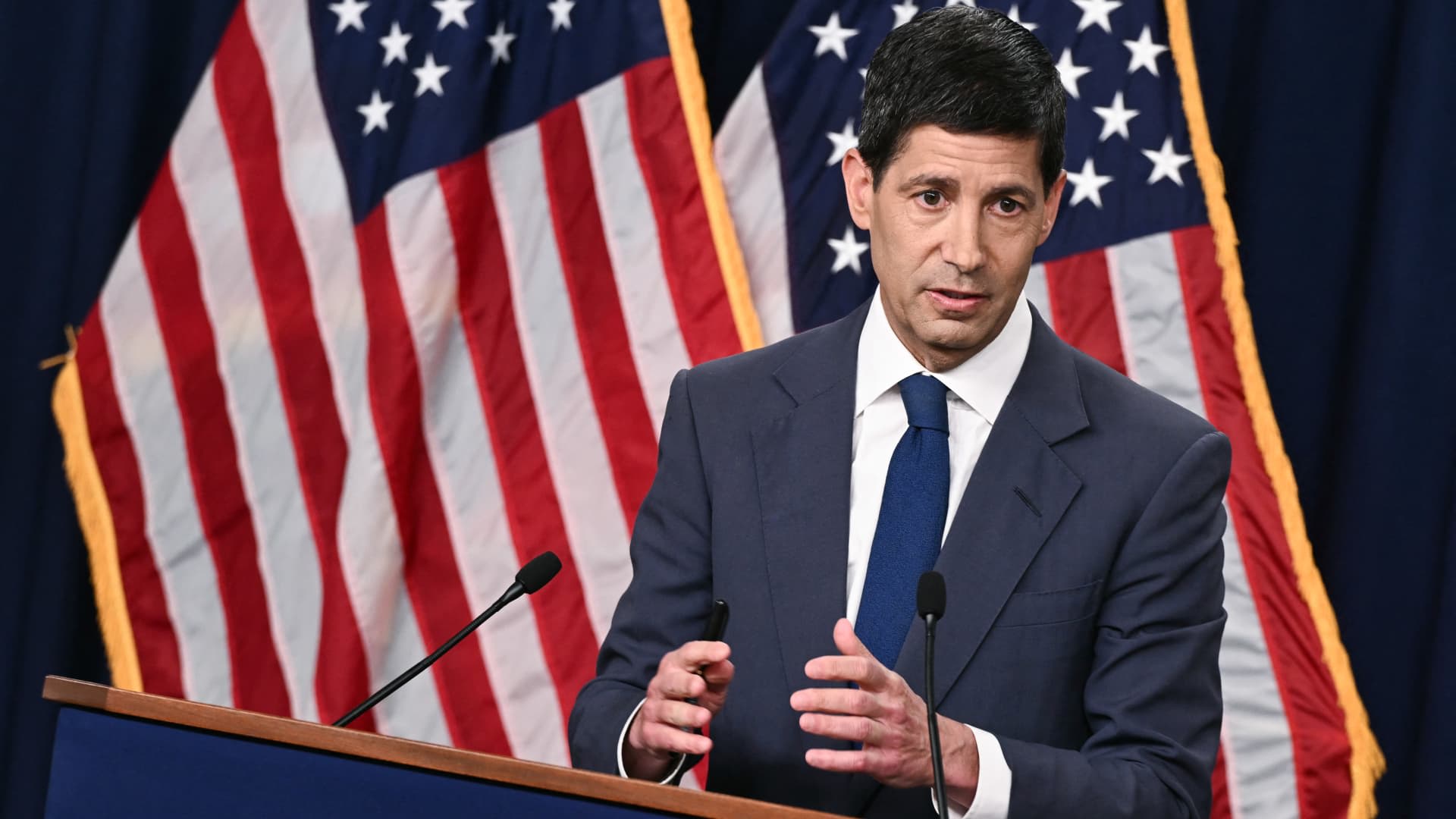
Federal Reserve Chairman Kevin Warsh addressed persistent inflation at the Jackson Hole Symposium, signaling potential rate hikes while avoiding specific policy commitments. Markets reacted with uncertainty as the 3.7% July PCE inflation reading dampened hopes for near-term rate cuts.
The Jackson Hole Dilemma: Inflation and Policy Uncertainty
The annual Federal Reserve Economic Policy Symposium in Jackson Hole, Wyoming, has once again become the epicenter of global financial anxiety. This year, the focus has centered squarely on Federal Reserve Chairman Kevin Warsh, as market participants grapple with a persistent inflation narrative that refuses to subside. The latest data from the US Bureau of Economic Analysis, which recorded a 3.7% year-over-year climb in personal consumption expenditures (PCE) for July, has served as a sobering reminder that the path to price stability remains fraught with obstacles.
The Challenge of Sticky Inflation
The term 'sticky inflation' has transitioned from an economic theory to a daily reality for policymakers. With inflation figures consistently exceeding expectations, the dream of a dovish pivot—specifically in the form of imminent interest rate cuts—has largely evaporated among market analysts. The data indicates that underlying inflationary trends have not meaningfully improved, forcing the Federal Reserve to confront the possibility that their long-held 2% target may require a more aggressive, or at least more patient, monetary approach than previously anticipated.
Warsh’s Strategic Ambiguity
During his keynote address, Chairman Warsh navigated a delicate balance, expressing genuine concern regarding elevated price pressures while intentionally avoiding specific forward guidance. By sidestepping explicit commitments to future rate movements or defining the exact economic triggers for policy shifts, Warsh aimed to preserve the central bank's flexibility. His comments underscored a philosophy of 'quieter' central banking, where the institution prefers to remain data-dependent rather than tethered to previous verbal cues that may have inadvertently fueled market volatility.
Market Reactions and Divergent Indices
The anticipation surrounding Warsh's speech created a palpable sense of unease across the financial markets. On the morning of his address, the major indices exhibited a split personality: the Dow Jones Industrial Average managed a modest gain, while the S&P 500 and the tech-heavy Nasdaq struggled to maintain momentum. This divergence highlights a market struggling to reconcile the potential for higher interest rates—which typically weigh on growth-oriented tech stocks—with the broader, more resilient segments of the industrial economy.
Broader Economic Implications
Looking ahead, the Federal Reserve faces a critical juncture. Officials remain divided on the necessity of further rate hikes, and the lack of a clear reaction function leaves investors in a state of speculative limbo. The 10-year and 30-year Treasury yields, which remained largely unchanged ahead of the address, reflect this wait-and-see approach. As the Fed continues its battle against inflation, the primary risk remains that the 'sufficient speed' required to reach the 2% target could necessitate a policy stance that triggers economic cooling beyond the central bank's initial comfort zone.
Conclusion: The Road to Stability
Ultimately, the events at Jackson Hole have underscored that the Federal Reserve is currently in a defensive posture. Chairman Warsh’s refusal to commit to a specific path forward is a strategic choice, intended to prevent premature market reactions to economic fluctuations. However, as long as inflation remains persistently above the target, the pressure on the Fed to act decisively will only intensify, ensuring that every subsequent data release and policy statement remains under intense public and institutional scrutiny.