Stock traders warm up to Warsh as volatility index touches year-to-date low
Source Entity
US Top News and Analysis
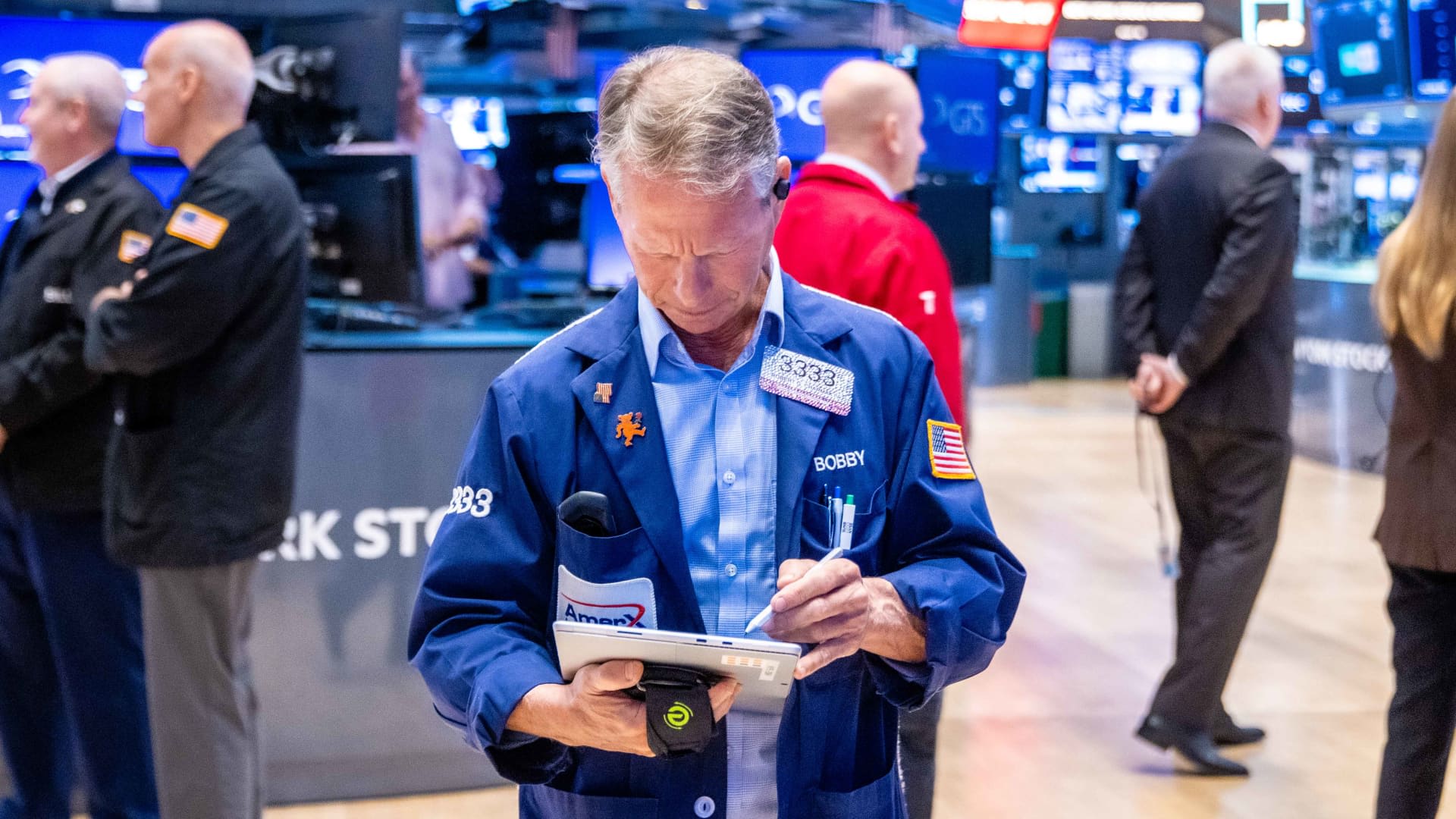
Federal Reserve Chair Kevin Warsh's recent comments at Jackson Hole have significantly increased market expectations for a September interest-rate hike. Despite this hawkish shift, stock traders remain calm, with the VIX dropping to a year-to-date low of 14.1.
Market Reaction to Federal Reserve Policy Shifts
Following a pivotal speech by Federal Reserve Chair Kevin Warsh at the annual Jackson Hole symposium, the financial landscape has experienced a notable recalibration. Market participants, particularly those trading Fed funds futures, have rapidly adjusted their expectations regarding monetary policy. The probability of an interest-rate hike at the upcoming September meeting surged to nearly 60 percent, a sharp increase from the 35 percent probability recorded just one day prior. This shift underscores the sensitivity of the bond market to official communication from central bank leadership.
The Resilience of Equity Markets
Despite the heightened anticipation of tighter monetary conditions, the equity market’s reaction has been surprisingly composed. While traditional economic theory suggests that rising interest rates often dampen stock market sentiment due to increased borrowing costs and higher discount rates for future earnings, traders appear to be signaling a degree of comfort with the Fed’s potential trajectory. This resilience is best captured by the Cboe Volatility Index (VIX), which serves as a primary gauge for expected market stress over the next 30 days.
VIX Hits Annual Lows
In a counterintuitive development, the VIX plummeted to 14.1 in the immediate aftermath of Warsh’s address. This figure represents the lowest reading for the index throughout the current year, suggesting that investors are not currently pricing in significant turbulence or panic. The decline in the VIX indicates that market participants may view the potential rate hike as a sign of economic stability or a proactive measure to manage inflation rather than a threat to corporate profitability.
Sector-Specific Fluctuations
While the broader market remains calm, individual volatility persists within high-growth sectors. The S&P 500 experienced a minor decline of three-tenths of a percent, largely attributed to profit-taking in technology shares. Specifically, Nvidia saw an unwinding of its recent significant earnings gains. This movement highlights that while the macro-environment is being shaped by Fed policy, sector-specific dynamics and valuation concerns remain active drivers of daily trading activity.
Broader Economic Implications
The divergence between the bond market's reaction and the equity market's stability creates a complex environment for policymakers. If the Federal Reserve proceeds with a rate hike in September, the current low volatility in the S&P 500 will be tested. Future trends will likely depend on whether the market maintains its optimistic stance on the central bank's ability to navigate a soft landing while tightening policy. The current data suggests a high level of confidence among stock traders that the economy can withstand a more hawkish monetary stance.
Conclusion
The market’s current state is defined by a tension between rising interest-rate expectations and a cooling of investor anxiety. With the VIX at a year-to-date low and bond markets bracing for policy changes, the coming weeks will be critical in determining whether this equilibrium can hold. Investors will likely continue to monitor Fed communication closely for further clues regarding the pace and duration of potential rate hikes.