‘We’re the best credit’: Trump fumes after 1st Fed rate hike in over 3 yrs
Source Entity
TRISHA MAHAJAN
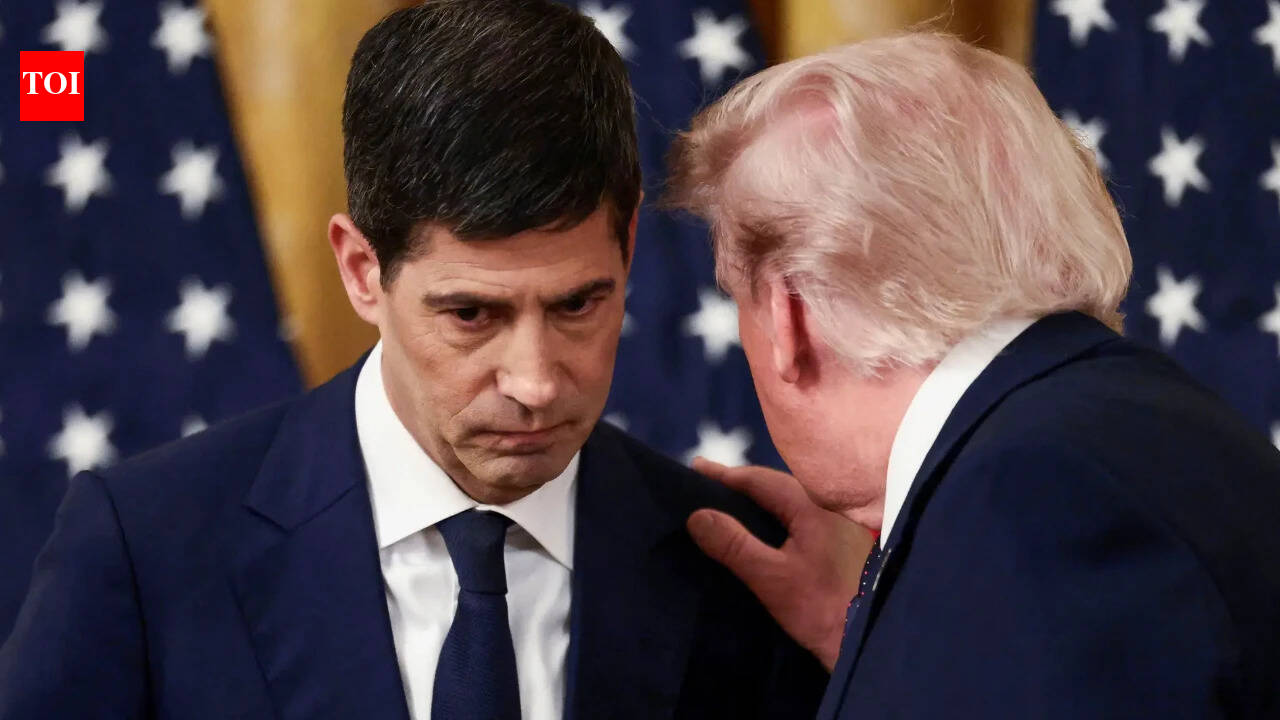
The Federal Reserve has implemented its first interest rate hike in three years, raising rates to a 3.75%-4% range to combat persistent inflation. This unanimous decision by Fed Chair Kevin Warsh faced direct public opposition from President Donald Trump, who advocated for lower rates.
Federal Reserve Moves to Curb Inflation with Rate Hike
In a significant pivot for monetary policy, the Federal Reserve has raised interest rates for the first time in more than three years, setting a new target range of 3.75% to 4%. This unanimous decision, spearheaded by Fed Chair Kevin Warsh, signals a decisive shift toward tightening financial conditions to address inflation that has remained stubbornly above the central bank’s 2% target. The move reflects the Fed's commitment to prioritizing long-term price stability over short-term economic stimulation.
The Conflict Between Executive Pressure and Monetary Autonomy
The policy adjustment has occurred amidst a backdrop of intense political friction. President Donald Trump has been vocal in his opposition to the hike, publicly advocating for rates to be cut to 1% or lower. Trump’s argument rests on the premise that the United States possesses the world's strongest credit profile, which he believes warrants lower borrowing costs. This public pushback highlights a recurring tension in American governance regarding the independence of the Federal Reserve from executive influence.
Economic Implications for Borrowers and Savers
For the average consumer, this policy shift carries immediate, tangible consequences. Higher interest rates make the cost of borrowing more expensive, impacting everything from mortgage rates to personal credit card debt. While these increased costs can dampen consumer spending and slow economic activity—a necessary trade-off to cool down rising prices—they also offer a potential silver lining for savers who may see improved returns on their bank deposits and interest-bearing accounts.
The Fed’s Rationale and Future Outlook
Fed Chair Kevin Warsh has characterized the move as a "sober" and "responsible decision," emphasizing that inflation has been too high for too long. By choosing to ignore the political pressure from the White House, the Federal Open Market Committee (FOMC) has reaffirmed its role as an independent arbiter of economic policy. The unanimity of the vote suggests a strong internal consensus within the committee that the risk of runaway inflation outweighs the potential political backlash from the executive branch.
Navigating Political Consequences
Despite the clear tension, Warsh has opted to maintain a professional distance, declining to engage in a public war of words with the President. This calculated silence is intended to preserve the institution's credibility and focus on data-driven decision-making rather than political maneuvering. As the Federal Reserve continues to monitor economic indicators, the market will be watching closely to see if future hikes are necessary to bring inflation back within the desired target range, regardless of continued political posturing.
Multiple Citing Sources