OFFSIDE: Why Sir Alex Ferguson vs Pep Guardiola is no longer a debate
Source Entity
NIRMALYA DUTTA
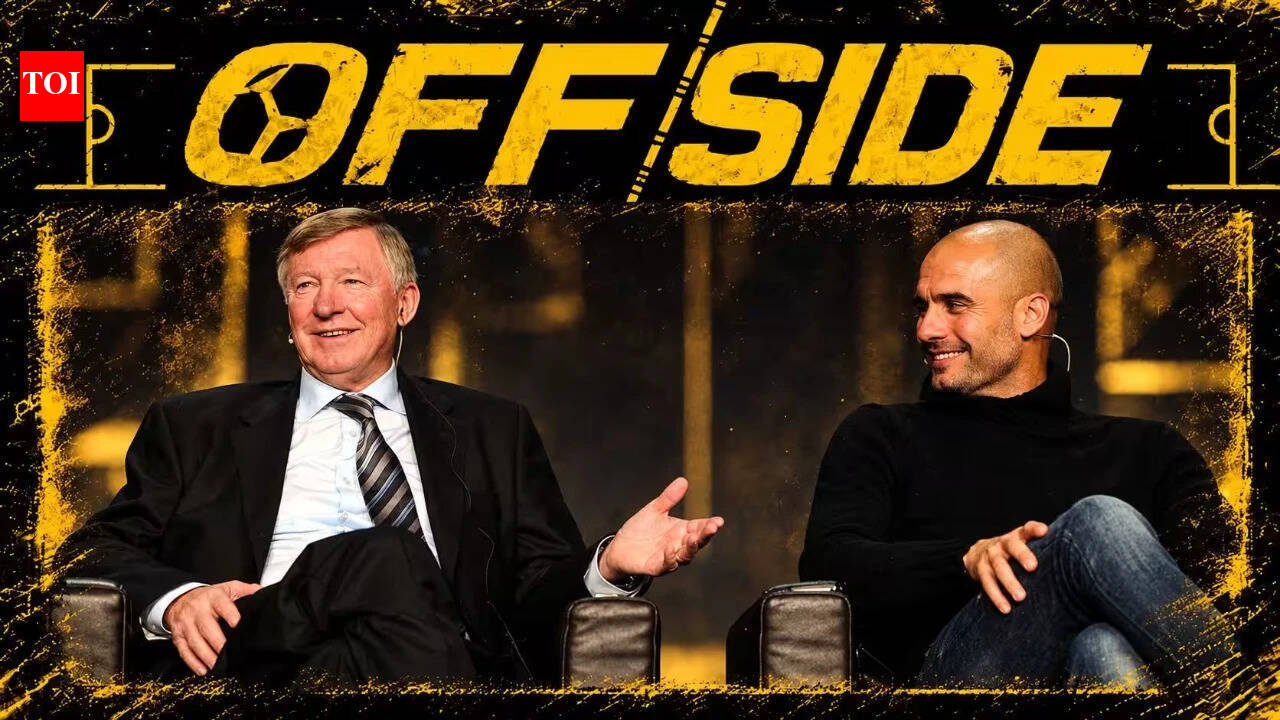
The debate over Sir Alex Ferguson and Pep Guardiola's managerial legacies is shifting due to recent financial controversies surrounding Guardiola's clubs. Allegations against Manchester City and Barcelona's Negreira affair have cast a shadow over Guardiola's achievements compared to Ferguson's career.
The Shifting Legacy of Elite Management
The long-standing debate regarding the relative greatness of Sir Alex Ferguson and Pep Guardiola has reached a critical inflection point. For years, pundits weighed Ferguson’s ability to build dynasties from the ground up—starting at Aberdeen and culminating in his unparalleled tenure at Old Trafford—against Guardiola’s tactical genius and dominance at Europe’s most affluent clubs. However, recent developments have fundamentally altered the context of this comparison, moving the focus from pure on-pitch tactics to the institutional environments in which these managers operated.
The Impact of Financial Scrutiny
Central to this reassessment are the serious financial allegations currently surrounding Manchester City. By operating within institutions that possess immense financial power, Guardiola has consistently been afforded resources that contrast sharply with the developmental models historically favored by Ferguson. The accusations of financial breaches against Manchester City have introduced a new variable into the conversation: the extent to which a manager’s success is a product of sporting merit versus the structural and financial advantages provided by the club’s ownership.
Institutional Integrity and Historical Record
Beyond Manchester City, the inclusion of the 'Negreira affair'—involving payments made by Barcelona during Guardiola's time there—into the historical record has further complicated his legacy. These controversies raise uncomfortable questions about the integrity of the competitions in which these managers competed. When success is viewed through the lens of potential regulatory breaches or ethical lapses, the comparison to Ferguson, whose Manchester United teams built their dominance on a blend of academy integration and strategic recruitment within established financial frameworks, becomes increasingly lopsided.
Tactical Genius vs. Structural Advantage
While no one disputes Guardiola’s influence on the tactical evolution of modern football, the debate now centers on the concept of 'managerial greatness.' Ferguson’s career is defined by his longevity and his ability to rebuild championship-winning squads repeatedly over two decades. In contrast, Guardiola’s career has been characterized by short-term, high-intensity dominance facilitated by the world’s wealthiest institutions. The current accusations suggest that the playing field was not as level as previously assumed, forcing a re-evaluation of the 'greatest of all time' narrative.
Broader Implications for Football
The implications of these scandals extend beyond the legacies of two individual managers; they strike at the heart of how football fans and historians value success in the modern era. If a manager’s achievements are inextricably linked to financial irregularities, the perceived value of those trophies and titles diminishes. This shift in sentiment suggests that the industry may begin to favor managers who demonstrate success within more constrained or transparent environments, as they represent a more 'authentic' form of sporting achievement compared to those operating within potentially compromised structures.
Conclusion: A Legacy Re-evaluated
Ultimately, the debate is no longer about who produced the most aesthetically pleasing football or who secured the most silverware. It has evolved into a conversation about character, institutional stability, and the environmental factors that enable success. As the historical record continues to absorb the details of Manchester City’s financial breaches and the Negreira affair, the legacy of Sir Alex Ferguson appears increasingly secure, grounded in a model of management that prioritized long-term structural integrity over the volatile, high-spending strategies that have come to define Guardiola’s tenure.