Finland orders halt to work on two Google data centres
Source Entity
BBC News
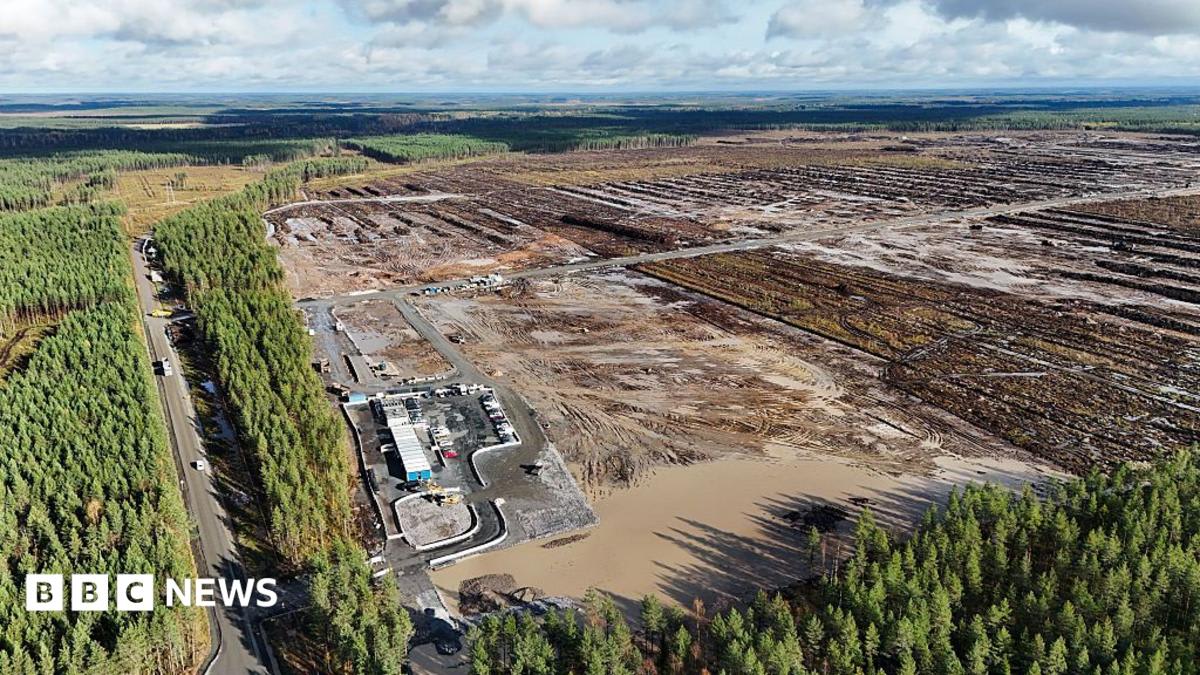
Finnish authorities have halted construction on two Google data centers in Muhos and Kajaani due to unauthorized forest clearing. Google has acknowledged the oversight and pledged to comply with environmental regulations following the suspension order.
Environmental Compliance and Infrastructure Development
Finnish authorities have issued a significant administrative order halting construction work on two planned Google data centers located in Muhos and Kajaani. This regulatory intervention stems from concerns regarding the unauthorized clearance of over 300 hectares of forest land. The Finnish Supervisory Agency (LVV) has mandated that any activities deemed to "significantly alter the environment" must cease by October 23, citing a failure to conduct mandatory environmental impact assessments prior to the commencement of preparatory site work.
Context of the Investment
These data centers represent a critical component of Google's broader strategy to bolster its digital infrastructure in Northern Europe. This project is part of a record-breaking €13 billion ($15 billion) investment package for Finland, which the technology giant announced less than a month ago. As Google's largest single investment in the European market, the project underscores the region's strategic importance as a hub for cloud computing, driven by access to renewable energy and a cooling climate that optimizes data center efficiency.
Regulatory Oversight and Corporate Accountability
The intervention by the LVV highlights the rigorous environmental standards enforced within the European Union, even for major foreign direct investment projects. The requirement for an environmental impact assessment is a cornerstone of Finnish planning law, designed to mitigate the long-term ecological consequences of large-scale industrial development. By bypassing these protocols, the preparatory work at Muhos and Kajaani triggered immediate legal scrutiny, forcing a temporary suspension of project timelines.
Google’s Response and Future Outlook
In response to the regulatory order, Google has issued a public acknowledgment, admitting that the company "fallen short of our own high standards in this instance." By pledging to follow the agency’s guidance, Google seeks to realign its project execution with Finnish law. This situation serves as a test case for how multinational corporations balance rapid infrastructure expansion with local environmental stewardship. Moving forward, the company will likely be required to complete the necessary environmental assessments and secure proper permits before construction can resume.
Broader Implications for Tech Infrastructure
The incident serves as a cautionary tale for the technology sector, which is increasingly under pressure to demonstrate sustainability while scaling up data-hungry operations like Artificial Intelligence and cloud services. As data centers become essential pillars of national infrastructure, the tension between rapid deployment and ecological preservation will remain a central theme in urban and rural planning. The outcome of this dispute will likely influence how future high-tech developments are appraised in Finland and the wider Nordic region, emphasizing the necessity of transparency and regulatory compliance in global infrastructure projects.