Pilot Body Seeks Scrutiny Of Technical Records In AI-171 Crash Probe
Source Entity
NDTV News Search Records Found 1000
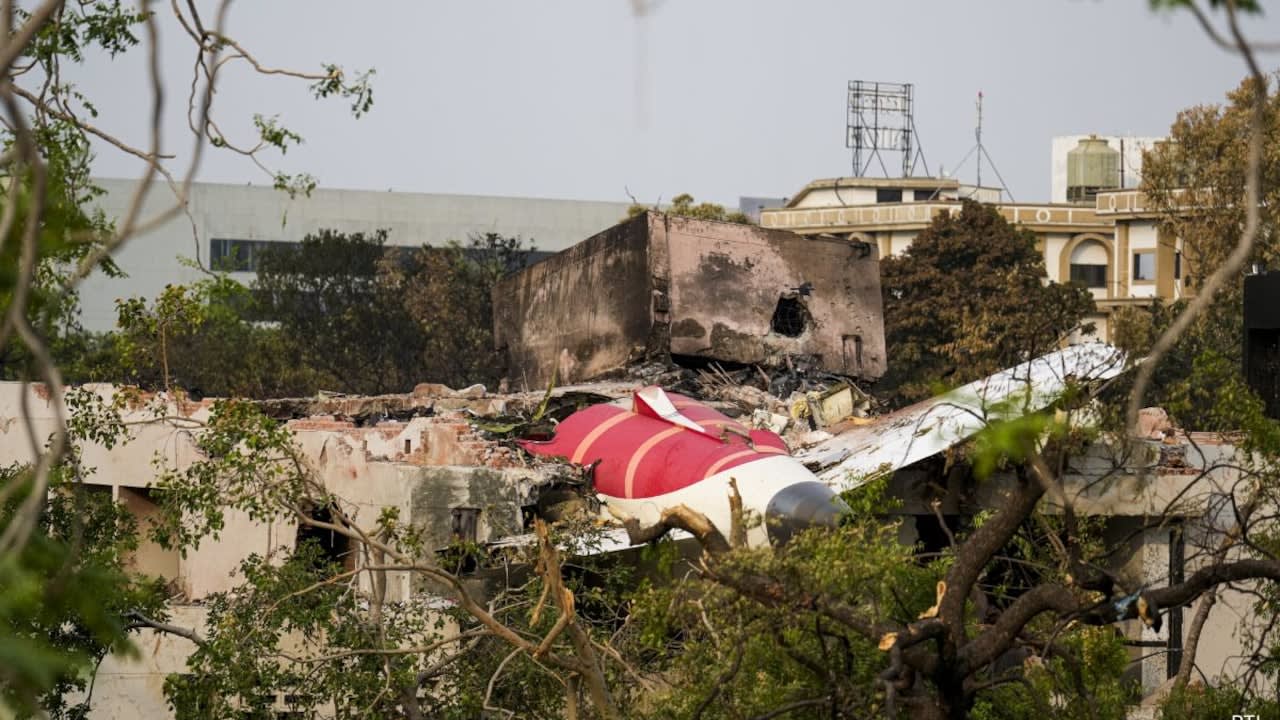
The Federation of Indian Pilots has requested formal inclusion in the AAIB's investigation of the June 2025 Air India AI171 crash. They are advocating for a deeper technical review of electrical systems and independent oversight of the final report.
The Quest for Transparency in the AI171 Investigation
The aviation community is currently focused on the tragic June 12, 2025, crash of Air India flight AI171 in Ahmedabad, which resulted in the loss of 260 lives. As the Aircraft Accident Investigation Bureau (AAIB) nears the completion of its formal probe into the Boeing 787-8 disaster, the Federation of Indian Pilots (FIP) has intervened, urging the Civil Aviation Ministry to grant them a formal role in the investigative process.
Advocacy for Technical Rigor
At the heart of the FIP’s petition to Civil Aviation Minister K. Rammohan Naidu is a demand for a comprehensive technical audit. The federation has specifically called for a closer examination of the aircraft's electrical power generation and distribution systems. By requesting that their technical submissions be formally integrated into the record, the pilots are signaling potential concerns that standard investigative procedures might overlook critical nuances related to the Boeing 787's complex electrical architecture.
The Demand for Independent Oversight
Beyond the specific technical concerns, the FIP is seeking clarity on the government's procedural intentions. The federation has formally inquired whether the Ministry of Civil Aviation plans to appoint an independent committee to review the draft final report before it is officially released. This request underscores a broader desire within the pilot community for institutional accountability and a multi-layered verification process that goes beyond internal agency findings.
Institutional Dynamics and Aviation Safety
This development highlights the ongoing tension between official state-led investigations and representative professional bodies. By seeking status as an "independent technical participant," the FIP is attempting to bridge the gap between pilot expertise and administrative oversight. The inclusion of frontline operational perspectives is often viewed as essential for identifying systemic failures that might not be immediately apparent to investigators focusing solely on flight data recorders and wreckage analysis.
Implications for Future Safety Protocols
Should the government accede to the FIP’s requests, it could set a significant precedent for how aviation accidents are investigated in India. Incorporating pilot feedback into the final AAIB report would not only provide a more granular understanding of the AI171 incident but could also lead to more robust safety recommendations. The industry is watching closely to see if the Ministry will prioritize this collaborative approach to ensure the final report withstands rigorous scrutiny.
Conclusion
The investigation into the AI171 crash remains at a critical juncture. As the AAIB finalizes its findings, the intervention of the Federation of Indian Pilots serves as a reminder of the industry’s commitment to exhaustive inquiry. Whether or not an independent review committee is established, the FIP's advocacy ensures that the technical complexities of the electrical systems and the necessity of external oversight remain at the forefront of the national conversation regarding aviation safety.
Multiple Citing Sources
Verification Required?