Fiscal cost of holding down fuel prices in India after West Asia war
Source Entity
Latest News: Todays Latest News Headlines from India & World | Hindustan Times | Hindustan Times
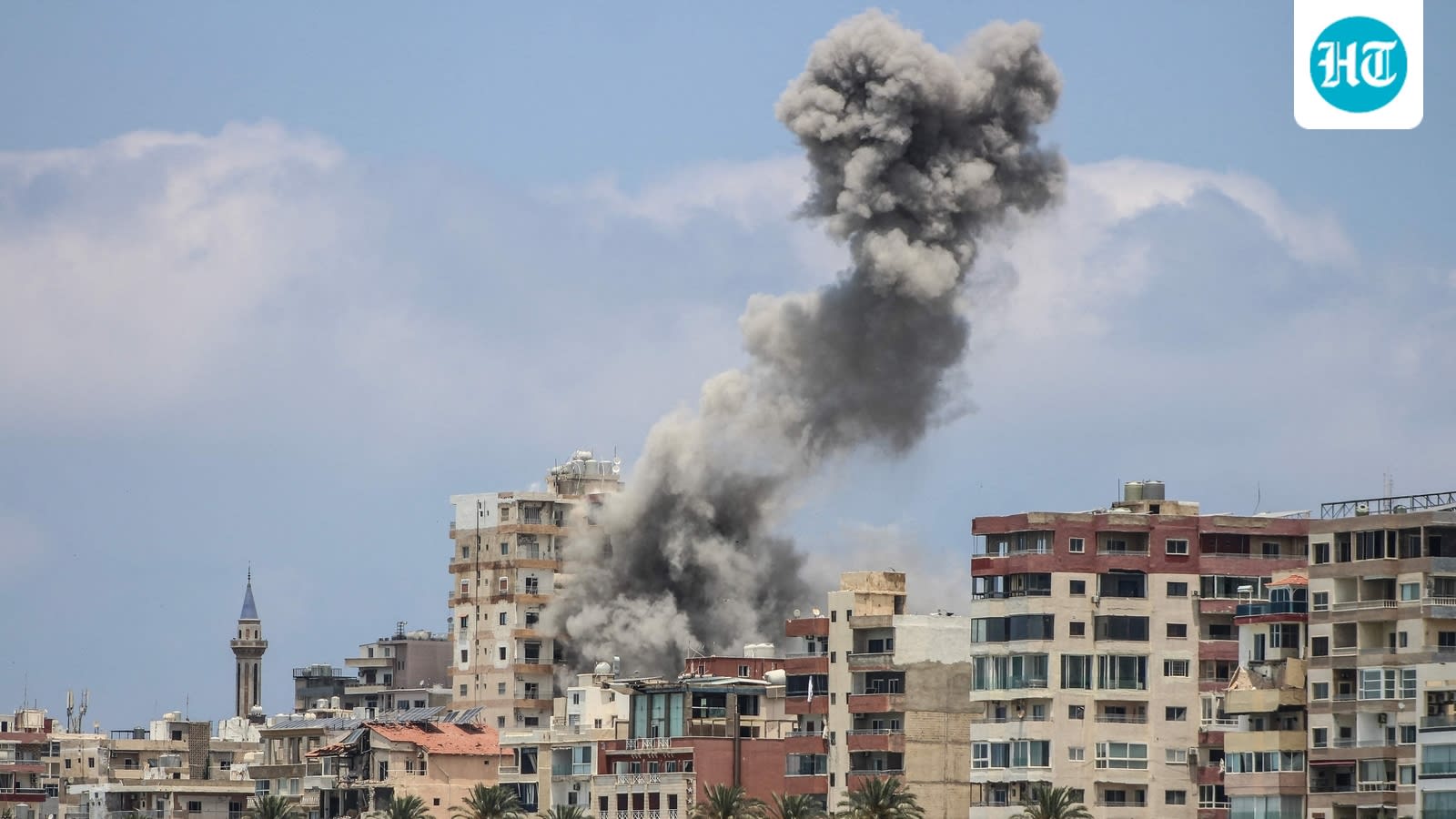
A new ICRIER report analyzes the fiscal impact of India's decision to subsidize fuel costs amidst Middle East conflict-driven price surges. The study warns that shielding consumers costs 0.6% of GDP annually and creates long-term structural economic vulnerabilities.
The Fiscal Burden of India’s Fuel Pricing Strategy
A recent research paper authored by Sanjeev Gupta and Pratik Tiwary of ICRIER provides a sobering look at the intersection of geopolitics and domestic fiscal policy. As the Middle East conflict continues to introduce volatility into global energy markets, India—a nation heavily reliant on imported crude—finds itself in a precarious position. The report highlights how supply disruptions and the resulting price spikes are not merely external shocks but are actively straining India’s fiscal and external balances.
The Cost of Consumer Protection
To prevent the full impact of global price volatility from reaching the domestic pump, the Indian government has historically employed a mix of tax reductions, direct subsidies, and price pass-through constraints. While this strategy successfully provides immediate relief to the common consumer and helps manage headline inflation, the ICRIER report quantifies the hidden cost of this stability. The researchers estimate that these interventionist measures result in a fiscal burden equivalent to approximately 0.6% of India's GDP annually.
Structural Vulnerabilities and Market Signals
Beyond the immediate budgetary impact, the paper argues that these policies create significant structural challenges. By artificially suppressing fuel prices, the government inadvertently weakens critical price signals. When fuel is kept artificially inexpensive, consumers and industries are less incentivized to shift toward energy efficiency or alternative fuel sources. This maintains a cycle of high import dependence, leaving the economy perpetually vulnerable to the next geopolitical flare-up in oil-producing regions.
The Dilemma of Strategic Reserves
The report also touches upon the broader issue of energy security, noting that India’s limited strategic reserves exacerbate these vulnerabilities. In a global economy where energy prices are increasingly tied to regional stability in West Asia, the lack of a sufficient buffer makes the government's interventionist policies more reactive than proactive. The reliance on fiscal maneuvering rather than supply-side resilience suggests that the current model may be reaching its limit.
Future Implications and Policy Outlook
Looking ahead, the findings suggest that the status quo may become increasingly untenable. If India aims to achieve sustainable long-term growth, it must reconcile its need for social price stability with the necessity of fiscal prudence. Transitioning away from high import dependence will require not only a shift in energy policy but potentially a move toward more transparent, market-linked pricing mechanisms that encourage demand-side management.
Conclusion
The ICRIER analysis serves as a vital reminder that price stability at the pump comes with a high opportunity cost for the national exchequer. By prioritizing short-term relief, the state risks delaying necessary structural changes that could insulate the economy from future global energy shocks. Moving forward, policymakers face the difficult task of balancing immediate economic relief with the long-term goal of building a more energy-efficient and fiscally resilient India.
Verification Required?