Indian Railways PSU eyes Vande Bharat exports on standard-gauge platform
Source Entity
Anish Mondal
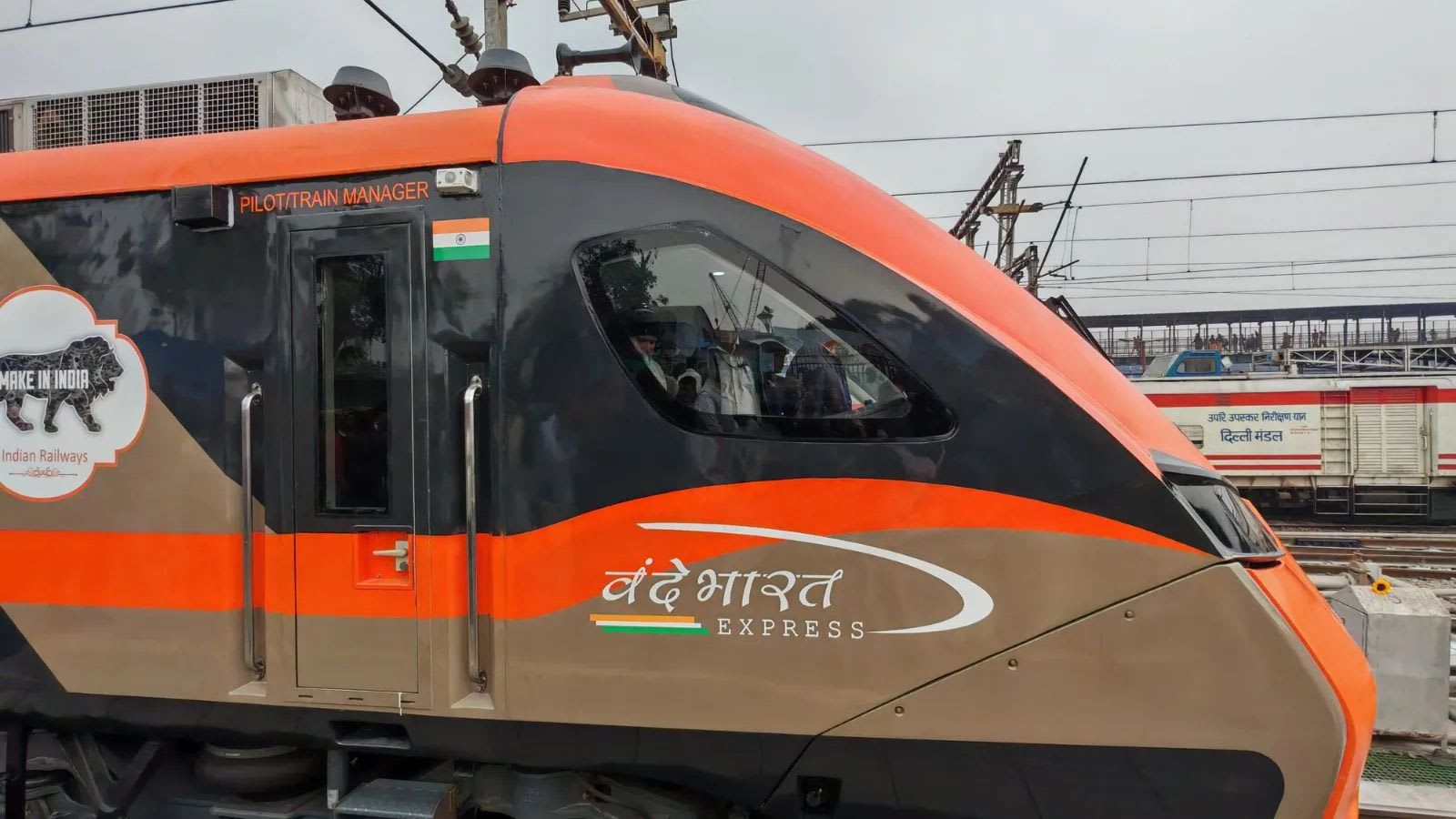
RITES Limited is preparing to export India's Vande Bharat trains by adapting them to standard-gauge tracks. This initiative aims to leverage the success of the semi-high-speed platform to expand India's footprint in the global railway market.
India’s Ambition to Export Vande Bharat Technology
Scaling the Vande Bharat Success Story
Since its inaugural run in 2019, the Vande Bharat Express has become a cornerstone of India's railway modernization. Having successfully transported over 9 crore passengers across 81 operational pairs, the platform has proven its reliability and efficiency within the domestic market. RITES Limited, a Public Sector Undertaking under the Indian Railways, is now spearheading an ambitious strategy to transition this success from local operations to international markets.
The Engineering Challenge: Gauge Conversion
Currently, the Indian railway network operates primarily on Broad Gauge (BG), characterized by a rail distance of 1,676 mm. To facilitate international exports, RITES is actively exploring the adaptation of Vande Bharat technology to a Standard Gauge platform (1,435 mm). This engineering shift is critical, as the vast majority of international high-speed and semi-high-speed rail networks across the globe utilize the 1,435 mm standard. By re-engineering the chassis and bogie systems, India aims to unlock access to markets that have historically relied on European or East Asian rail manufacturers.
Competitive Performance Metrics
At the heart of the Vande Bharat appeal is its impressive acceleration capability, with trains capable of reaching 100 kmph from a standstill in approximately 52 seconds. The Ministry of Railways has highlighted that this performance metric is competitive with semi-high-speed rail standards observed in countries like Japan. This level of agility is essential for modern transit networks that prioritize frequent stops and rapid recovery times, making the Vande Bharat a compelling value proposition for developing nations looking to upgrade their infrastructure.
Strategic Economic Implications
For RITES and the broader Indian manufacturing sector, the move to export Vande Bharat trains represents a shift from being a consumer of rail technology to a global provider. This aligns with the broader 'Make in India' objectives, potentially positioning India as a significant exporter of rolling stock. By diversifying into the standard-gauge market, the PSU is not only looking to increase revenue streams but is also establishing India as a serious contender in the global supply chain for railway engineering.
Looking Toward a Global Future
While the Vande Bharat currently serves as the backbone of India’s semi-high-speed intercity connectivity, its future in international territories depends on the successful execution of these technical adaptations. If RITES can effectively demonstrate the durability and efficiency of the Vande Bharat on standard-gauge tracks, it could open doors to infrastructure projects in regions where demand for cost-effective, high-performance rail solutions is rising. This initiative marks a pivotal moment in the evolution of Indian railway exports, signaling a maturation of the nation's indigenous engineering capabilities.