Lawmakers target Flock cameras with a threat to highway funding
Source Entity
Paresh Dave, wired.com
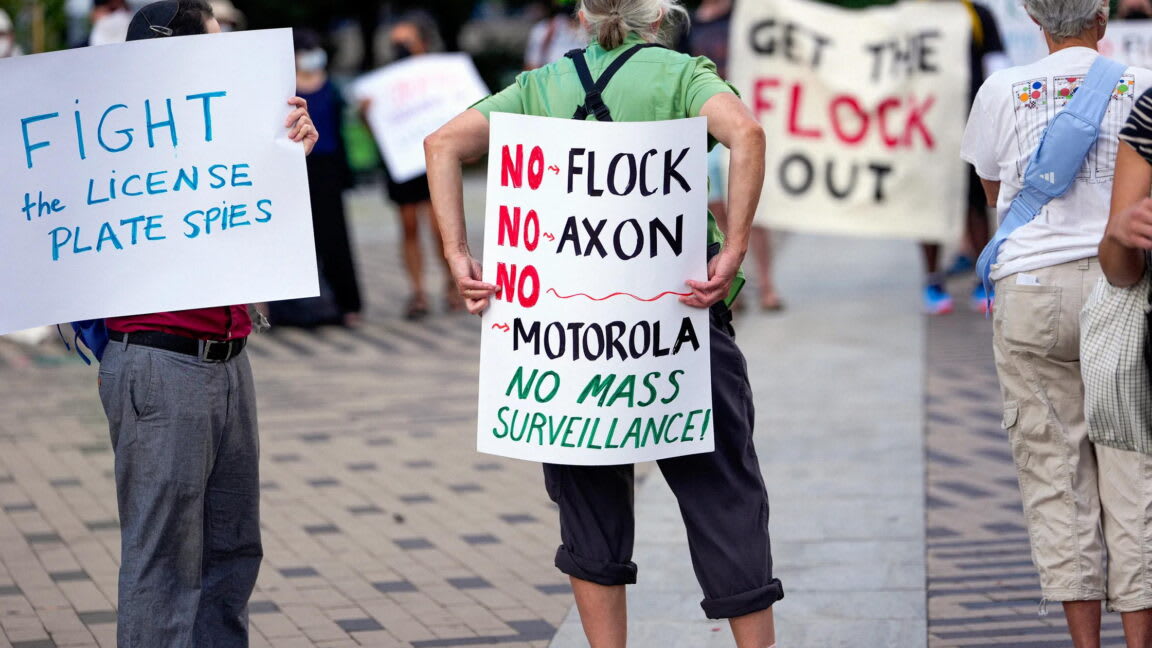
Hackers have compromised a Flock Safety camera, exposing the internal mechanics of its surveillance system and encryption methods. In response, a bipartisan group of US lawmakers has introduced the 'No FLOCK Act' to restrict the use of such automated license plate readers through federal funding penalties.
The Vulnerability of Public Surveillance
The recent physical compromise of a Flock Safety camera has provided an unprecedented look into the inner workings of modern automated license plate reader (ALPR) systems. By removing the device from its installation point and extracting its internal data, hackers have successfully bypassed the manufacturer's claims of on-device encryption. The recovery of the encryption key from the hardware itself demonstrates a critical security flaw that challenges the narrative of robust data protection often marketed by surveillance technology firms to local law enforcement agencies.
Mechanics of the Breach
The hackers not only accessed the data but also publicly shared the methods used to obtain the camera’s software. This transparency, while concerning for privacy advocates and security professionals, serves as a proof-of-concept that demonstrates how easily these pervasive systems can be manipulated when physical access is achieved. The exposure of how Flock tracks both vehicles and individuals highlights the granular nature of the data collection, turning roadways into a massive, interconnected grid of surveillance that is susceptible to both state and non-state interference.
Legislative Backlash: The No FLOCK Act
In direct response to growing public and legislative concern, a bipartisan pair of US lawmakers, Congressman Raja Krishnamoorthi and Congressman Michael Cloud, have introduced the 'No FLOCK Act.' This proposed legislation seeks to curb the unchecked proliferation of ALPR technology by leveraging federal highway funding as a mechanism for compliance. By threatening to withhold 10 percent of annual financial support for infrastructure, the bill forces states to reconcile their surveillance appetites with federal standards.
Restricting the Scope of Surveillance
The No FLOCK Act aims to limit the use of these devices to only five specific public safety use cases. This shift reflects a broader nationwide backlash against the 'nefarious uses' of surveillance technology by law enforcement, where the line between legitimate crime prevention and warrantless monitoring of citizens has become increasingly blurred. The legislation represents a significant attempt to re-establish boundaries in an era where technology has outpaced existing privacy statutes.
Future Implications and Policy Trends
The intersection of this security breach and the subsequent legislative response suggests a cooling period for the adoption of private-sector surveillance tools by public entities. As hardware vulnerabilities are exposed, the trust required to maintain these systems is eroding. Moving forward, we can expect a more rigorous debate surrounding the 'privacy by design' standards for surveillance infrastructure, as well as an increase in federal oversight regarding how state and local governments utilize private technology to monitor public spaces.