Clean tech startup Fluxnium found a way to tap 50,000 years’ worth of nuclear fuel
Source Entity
Tim De Chant
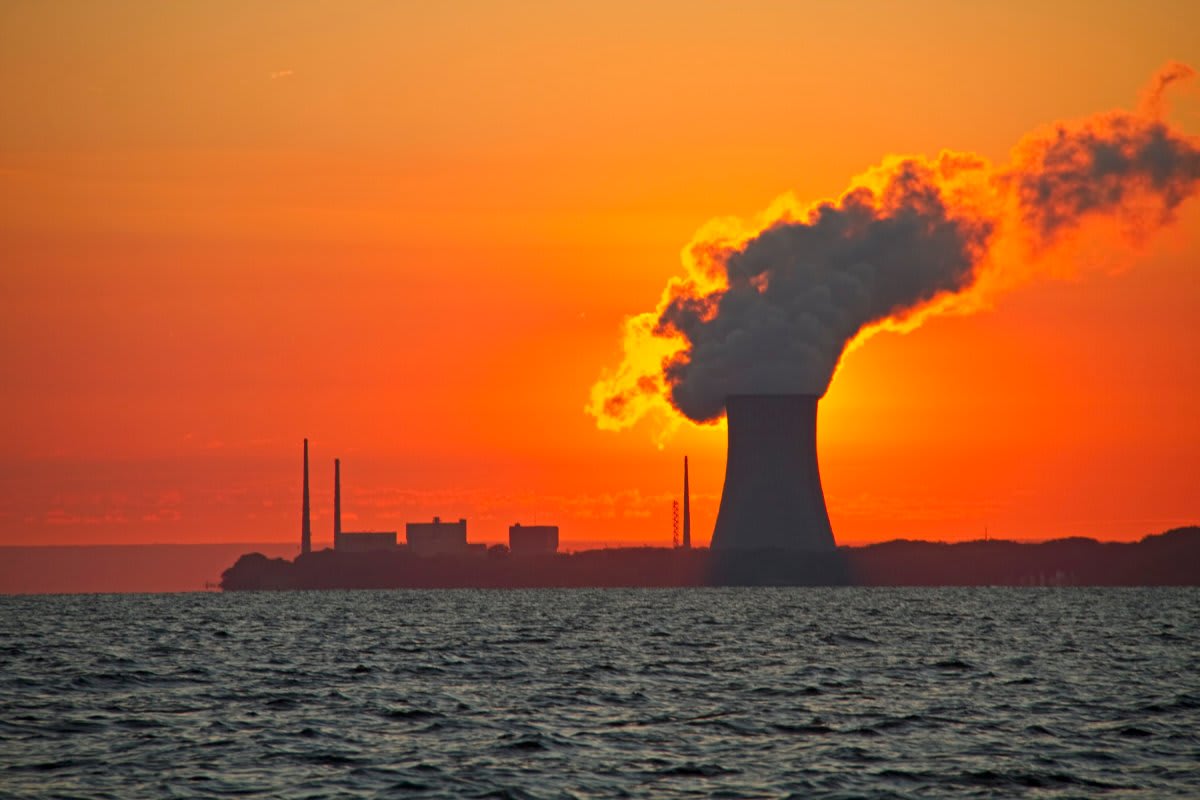
Clean tech startup Fluxnium has developed a novel fiber technology to extract uranium from seawater. This innovation could address the U.S. nuclear fuel supply crisis and support the national goal of tripling nuclear power capacity by 2050.
The Future of Nuclear Energy: Fluxnium’s Seawater Breakthrough
The Looming Crisis in Nuclear Fuel
As the United States accelerates its transition toward carbon-neutral energy, nuclear power has emerged as a cornerstone of the national strategy. The U.S. government has set an ambitious goal to triple existing nuclear capacity by 2050 to meet rising electricity demands. However, this transition faces a significant economic hurdle: the rising cost of fuel. According to the U.S. Energy Information Administration, the price of yellowcake—the primary precursor for nuclear fuel—has surged by 75% over the past five years, placing immense pressure on plant operators and threatening the feasibility of long-term expansion projects.
Ocean Resources: A Hidden Reservoir
For decades, the nuclear industry has relied primarily on terrestrial mining. However, the geographic concentration of uranium deposits often creates supply chain vulnerabilities and geopolitical dependencies. The solution may lie in the world’s oceans, which contain an estimated 4 billion metric tons of uranium. This vast, untapped resource is roughly 1,000 times greater than all identified terrestrial hard-rock mines combined. If harnessed, this supply could theoretically sustain global nuclear energy needs for approximately 50,000 years, providing a virtually inexhaustible fuel source.
Fluxnium’s Technological Innovation
Addressing this challenge, the clean tech startup Fluxnium has pioneered a proprietary fiber technology designed to extract uranium directly from seawater. By utilizing specialized fibers, the company aims to overcome the traditional engineering difficulties associated with extracting low-concentration minerals from a saline environment. CEO Jeff Green highlights that this development is not merely an incremental improvement but a paradigm shift that could fundamentally decouple nuclear energy production from the volatility of terrestrial mining markets.
Strategic Implications for Energy Independence
Integrating seawater-derived uranium into the domestic supply chain would be a monumental step toward energy security. Currently, the United States lacks sufficient domestic uranium resources to support a massive expansion of nuclear power. By turning to the oceans, the U.S. can mitigate its reliance on foreign imports and stabilize fuel costs. This transition would protect the economic viability of the 2050 nuclear expansion plan, ensuring that the transition to clean energy is both environmentally sustainable and fiscally responsible.
Navigating Future Trends and Challenges
While the potential is vast, the path forward requires scaling Fluxnium’s fiber technology from laboratory success to industrial-scale implementation. The energy efficiency of the extraction process and its environmental footprint in marine ecosystems will be critical factors in determining its long-term adoption. Nevertheless, if Fluxnium succeeds in making seawater-based uranium cost-competitive with mined uranium, it will effectively resolve the fuel scarcity bottleneck, potentially setting a new global standard for sustainable nuclear energy production.