New Form 6 enrolments where no SIR is under way won't need mapping
Source Entity
BHARTI JAIN
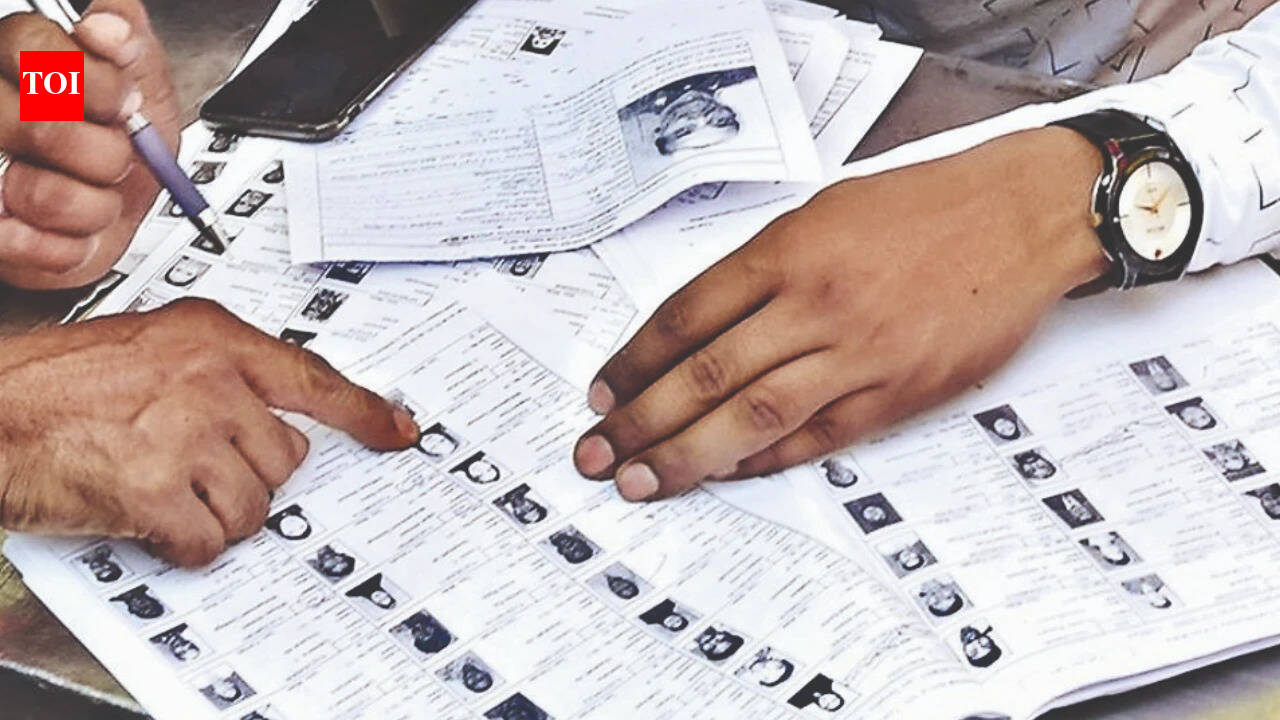
The government has simplified the Form 6 enrolment process by removing the mandatory mapping requirement for cases where a Site Inspection Report (SIR) is not currently underway. This administrative adjustment aims to streamline voter registration efficiency.
Streamlining Electoral Enrolment: An Administrative Shift
The recent directive concerning Form 6 enrolments marks a significant procedural adjustment in electoral management. By exempting new enrolments from the mandatory mapping requirement in instances where a Site Inspection Report (SIR) is not currently in progress, administrative bodies are signaling a shift toward reducing bureaucratic friction in the voter registration lifecycle.
Understanding the Mapping Requirement
Historically, the mapping process serves as a verification layer to ensure that applicants are correctly tagged to their specific polling stations and geographical jurisdictions. While essential for maintaining the integrity of electoral rolls, the requirement often creates bottlenecks. The decision to waive this step specifically for non-SIR cases suggests a targeted approach to accelerating the processing of straightforward applications that do not require physical site verification.
Implications for Voter Registration
This policy change is likely to have a direct impact on the speed and efficiency of the electoral roll update process. By decoupling the enrolment process from the mapping requirement in lower-complexity cases, election officials can prioritize resources toward applications that genuinely necessitate site inspections. This optimization could lead to a reduction in the backlog of pending applications during peak registration cycles.
Operational Efficiency and Resource Allocation
From an operational standpoint, this transition reflects a move toward data-driven governance. By identifying that not all enrolments require the intensive labor of an SIR, authorities are effectively reallocating human capital to more complex administrative tasks. This allows for a more agile response to public demand during pre-election phases, ensuring that the electoral database remains current without unnecessary administrative delays.
Broader Context of Electoral Integrity
While the removal of the mapping requirement for certain cases may raise questions regarding data precision, it is framed as a measure to enhance service delivery. The integrity of the electoral roll relies on accurate registration, but the mechanisms used to achieve this must be balanced against the need for accessibility. This adjustment suggests that the existing automated verification systems are likely robust enough to handle these specific enrolments without the need for manual mapping.
Future Trends in Administrative Digitization
Looking ahead, this move is indicative of a broader trend toward the digitization and automation of government services. As administrative processes become increasingly reliant on digital workflows, the need for manual oversight in routine tasks is expected to diminish further. Future iterations of voter registration systems will likely continue to integrate similar efficiency-focused protocols to ensure that the democratic process remains accessible and technologically current.