Junk foods will soon have labels warning of high salt, sugar and fat
Source Entity
ANUJA JAISWAL
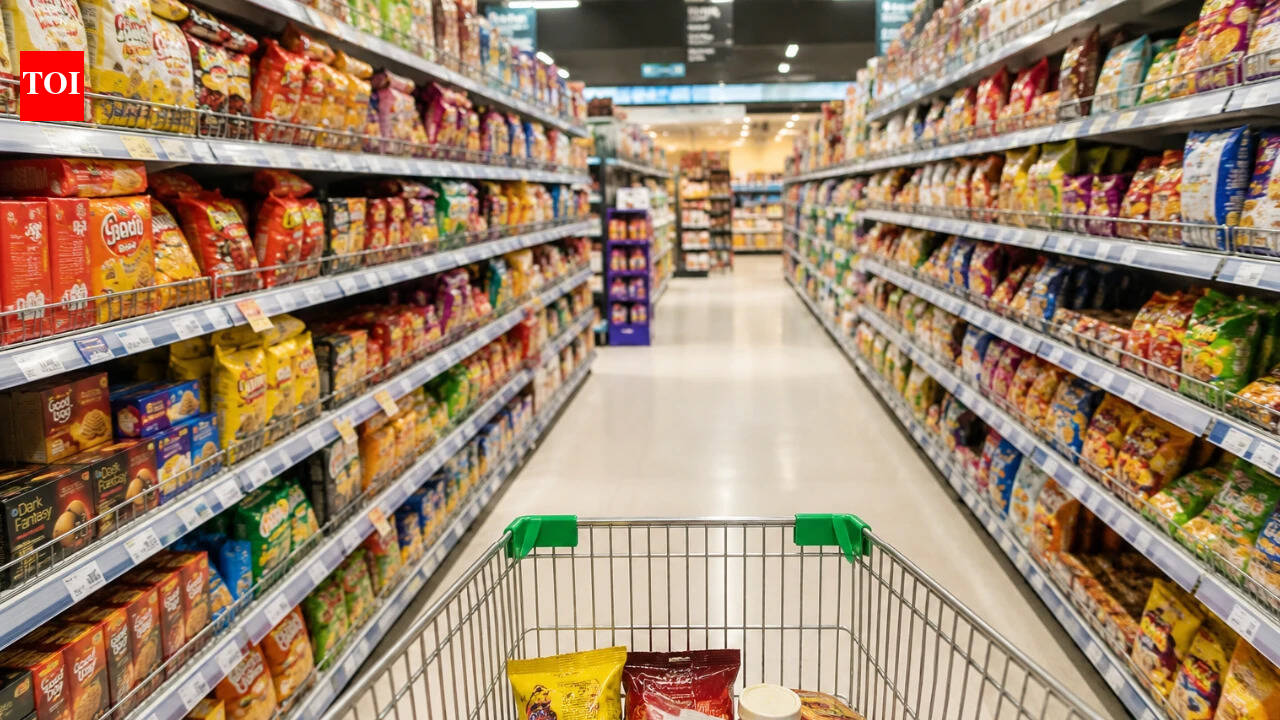
The FSSAI has proposed mandatory red hexagonal warning labels for packaged foods high in sugar, fat, or salt to combat rising obesity. This shift follows intense public pressure and Supreme Court intervention, marking a significant regulatory change in India's $100 billion food market.
FSSAI's Regulatory Shift: Combating the Obesity Crisis
In a landmark development for public health, the Food Safety and Standards Authority of India (FSSAI) has officially proposed the implementation of front-of-pack warning labels on packaged foods and beverages. This policy shift represents a significant pivot for the regulator, which has moved to address mounting public outcry and direct inquiries from the Supreme Court regarding the transparency of nutritional information in India's massive $100 billion packaged food market.
The Mechanics of the Warning System
The proposed framework mandates a distinct red hexagonal symbol to be displayed prominently on the front of packaging for products that exceed specified thresholds for saturated fat, sugar, or salt. Specifically, the warning is triggered when a product contains high levels of any two or more of these nutrients. By utilizing a standardized visual cue, the FSSAI aims to simplify complex nutritional data, allowing consumers—particularly children and vulnerable demographics—to make more informed, healthier choices at the point of sale.
Addressing the Escalating Obesity Epidemic
This regulatory intervention is rooted in urgent demographic projections. A study published in The Lancet has warned that approximately 450 million Indians could be classified as obese or overweight by 2050. As non-communicable diseases linked to poor dietary habits rise, the FSSAI's move serves as a critical preventive measure. The initiative seeks to shift the market landscape away from ultra-processed goods that contribute to long-term health crises.
Conflict with Industry Interests
Historically, the introduction of such labels has faced fierce opposition from major industry players, including Coca-Cola and groups representing giants like Nestle and PepsiCo. These entities have long argued that front-of-pack warnings are confusing to consumers and potentially damaging to brand perception. However, the FSSAI’s current stance suggests a prioritization of public health over corporate pushback, a trajectory accelerated by the Supreme Court’s recent scrutiny of the regulator's previous reluctance to enforce stricter labeling.
Judicial Pressure and Future Implications
The proposal was formally disclosed in a compliance affidavit filed before the Supreme Court, highlighting the judiciary's role in forcing the regulator's hand. While the FSSAI has indicated that certain product categories may receive exemptions, the primary framework is set to align with established Dietary Guidelines for Indians. Looking ahead, this policy signals a more aggressive regulatory environment where transparency becomes non-negotiable, potentially forcing manufacturers to reformulate products to avoid the ‘red label’ stigma.
Conclusion
The FSSAI’s commitment to front-of-pack labeling marks a watershed moment in Indian food policy. By balancing the need for market stability with the undeniable necessity of curbing a looming health crisis, the regulator is attempting to reshape consumer behavior. While the industry continues to navigate these changes, the move represents a decisive victory for health advocates and a necessary step toward mitigating the long-term impact of processed food consumption on the Indian population.
Multiple Citing Sources