FSSAI Scrutiny Limited To One Goa Batch, Now Out Of Circulation: Bisleri
Source Entity
NDTV News Search Records Found 1000
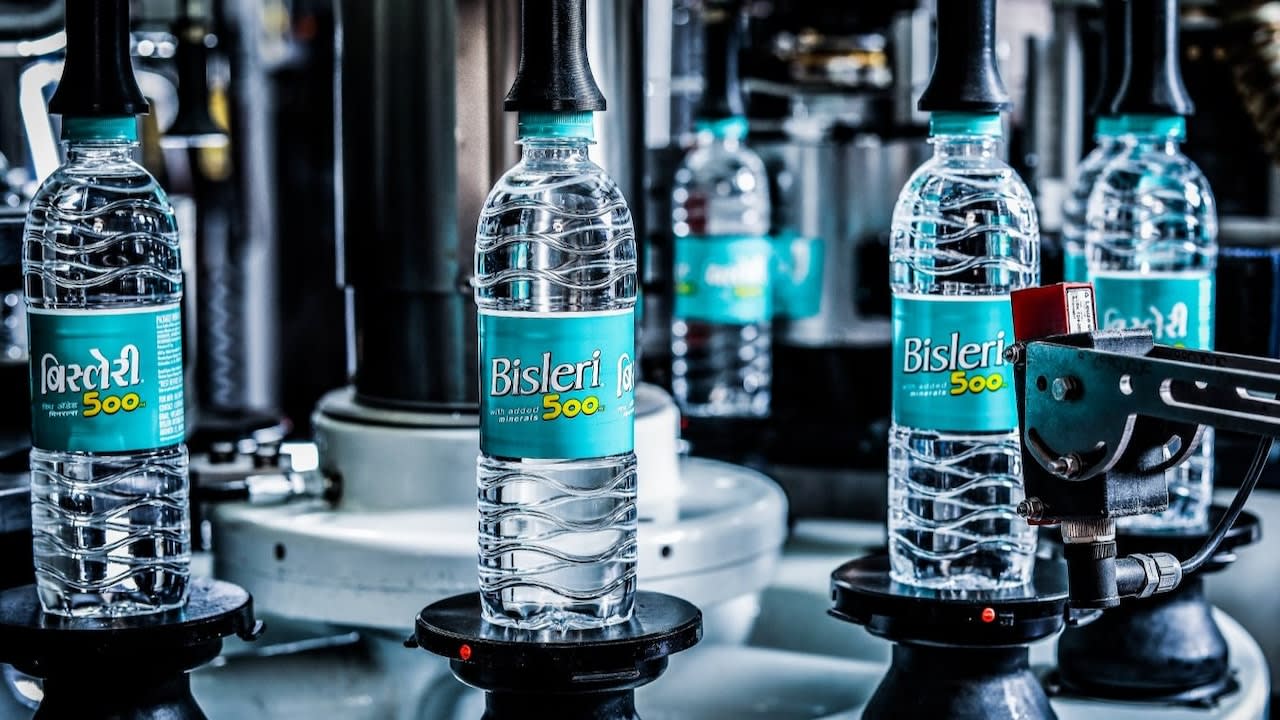
The FSSAI has sanctioned prosecution against Bisleri after a water sample was deemed unsafe under the Food Safety and Standards Act. Bisleri maintains that the issue was isolated to a single Goa batch that is no longer in circulation, while emphasizing that its 143 plants remain operational.
Regulatory Action Against Bisleri: An Overview
On November 22, the Food Safety and Standards Authority of India (FSSAI) took a significant regulatory step by sanctioning prosecution against Bisleri International Pvt. Ltd. This action followed a laboratory analysis of a packaged drinking water sample that was found to be non-compliant with the safety standards mandated by the Food Safety and Standards Act, 2006. The regulator has officially classified the specific sample as "unsafe," triggering a formal legal process that brings the internal quality control mechanisms of one of India's largest water brands into sharp focus.
Bisleri’s Response and Operational Status
In response to the FSSAI's findings, Bisleri has issued clarifications to reassure consumers and stakeholders. The company maintains that the non-compliant sample was limited to a specific batch produced in Goa. Bisleri asserts that this particular batch is no longer in circulation. Furthermore, the company has emphasized that its broader operational footprint remains unaffected, confirming that all 143 of its manufacturing plants across India continue to remain fully operational and functional.
The Public Health Implications
The gravity of this situation is underscored by the rising dependency on bottled water in India. Recent data indicates that by 2023, packaged water served as the primary drinking water source for 15% of urban households and 6% of rural households. For the average consumer, a sealed bottle is often viewed as a guarantee of purity and safety. Consequently, when a major player like Bisleri faces regulatory scrutiny for "unsafe" water, it raises broader questions regarding the potential health risks associated with contaminants like bromate and polycyclic aromatic hydrocarbons (PAHs), which are often scrutinized in water quality testing.
Regulatory Challenges and Compliance
Former FSSAI CEO Pawan Kumar Agarwal has highlighted the complexities involved in such cases, noting that there is a critical need to distinguish between regulatory non-compliance and the actual health significance of laboratory findings. He suggests that while Bisleri must investigate the root cause of the sample failure and bolster its internal quality control, the FSSAI also bears a responsibility. According to Agarwal, the regulator must clearly communicate the scientific and analytical basis of its standards to ensure that the public understands the scope and severity of such deviations.
Strengthening Quality Control and Future Trends
This incident highlights significant gaps in the testing and treatment protocols within the packaged water industry. Under the Food Safety and Standards Regulations, specifically Section 2.10.8, there are stringent requirements for sourcing and treating surface water. As the demand for bottled water continues to grow, the industry is likely to face increased pressure to adopt more transparent monitoring systems. Future trends suggest that regulators will likely move toward more rigorous, real-time testing requirements to bridge the gap between initial laboratory findings and public safety communication.
Conclusion
While Bisleri's current operational status remains stable, the FSSAI's decision to sanction prosecution serves as a reminder of the vital role played by food safety regulators in maintaining public trust. The outcome of this legal proceeding will likely set a precedent for how future quality control failures are handled in the industry. For now, the case remains a focal point for discussions on the necessity of harmonizing rigorous regulatory oversight with clear, science-based communication to protect the health of millions of Indian consumers.
Verification Required?