Fujifilm Instax Mini Evo Cinema review: A weird, fun retro camera
Source Entity
Anuj Bhatia
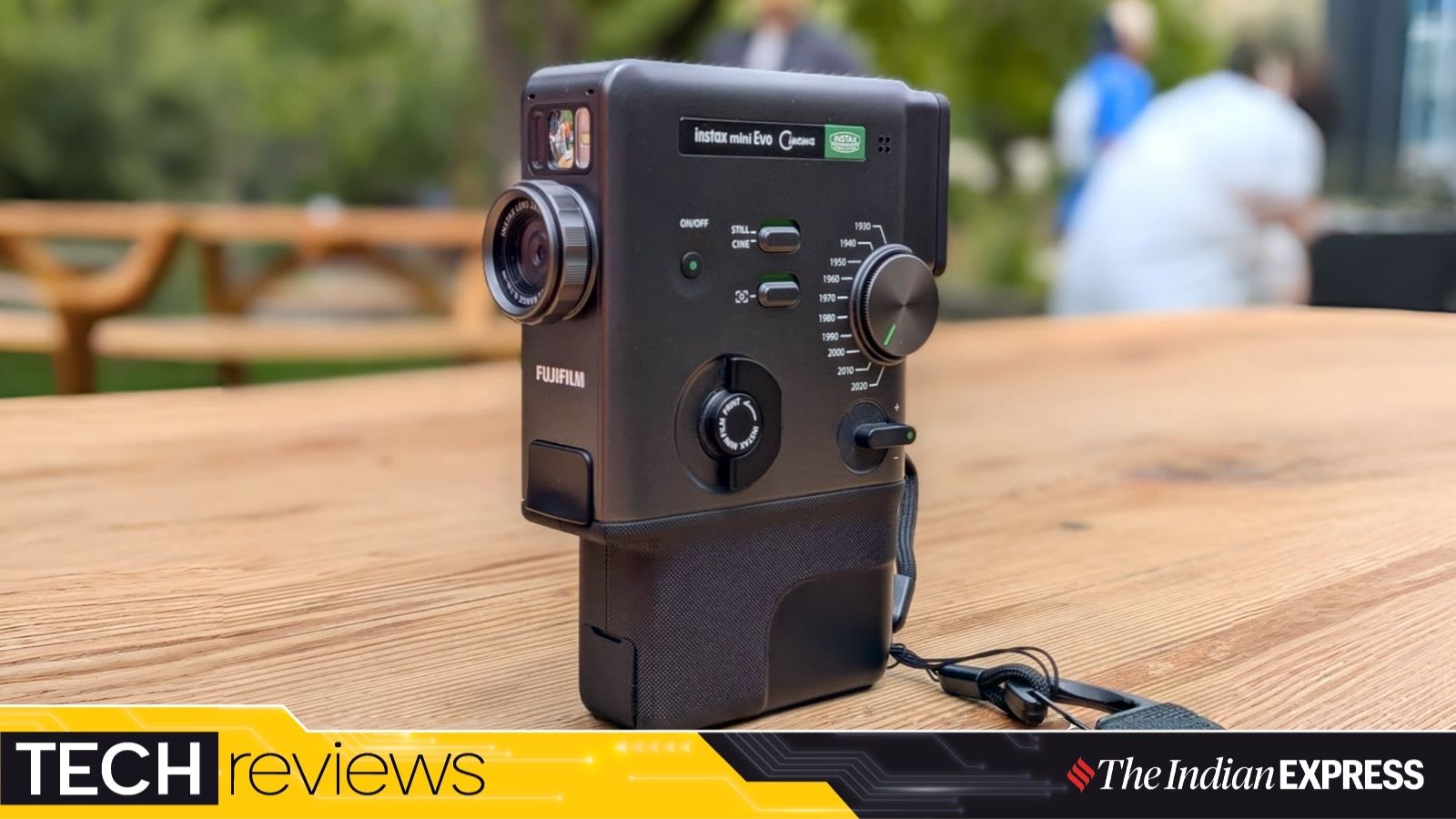
A detailed review of the Fujifilm Instax Mini Evo Cinema, exploring its unique blend of retro aesthetics and modern hybrid technology, positioning it as a 'weird and fun' alternative to traditional digital photography.
The Charm of the Analog Revival: A Deep Dive into the Fujifilm Instax Mini Evo Cinema
In an era dominated by the clinical precision of smartphone photography and the ephemeral nature of social media feeds, the Fujifilm Instax Mini Evo Cinema emerges as a fascinating anomaly. The device is not merely a tool for capturing images but a tactile experience designed to evoke nostalgia. By blending the aesthetic sensibilities of mid-century photography with contemporary digital convenience, Fujifilm has created a product that appeals to both the seasoned photographer and the casual hobbyist looking for something 'weird and fun' in a sea of identical glass slabs.
Bridging the Gap Between Vintage Aesthetics and Modern Tech
The core brilliance of the Instax Mini Evo Cinema lies in its hybrid nature. Unlike traditional instant cameras that require a 'pray and spray' approach to film—where every shutter press costs money and offers no guarantee of a usable shot—the Evo utilizes a digital sensor. This allows users to review images on a screen and selectively print only the ones they love. This technical pivot solves the primary pain point of analog photography (waste) while retaining the primary emotional reward (the physical print). The 'Cinema' branding suggests a focus on storytelling and atmospheric framing, encouraging users to think more about the composition and mood of their shots rather than just the resolution.
The Psychological Appeal of "Weird and Fun"
The reviewer's description of the camera as "weird" is perhaps the highest compliment in the current consumer tech landscape. There is a growing psychological fatigue associated with the seamless, frictionless experience of modern UI/UX. The Instax Mini Evo Cinema counters this by introducing intentional friction: manual dials, tactile levers, and the physical act of printing. This sensory engagement transforms photography from a passive background activity into an active, creative event. The connection to the London vintage store mentioned in the context highlights a broader cultural trend where consumers are seeking objects with "soul" and a perceived history, even when those objects are brand new.
Fujifilm's Strategic Positioning in the Instant Market
From a business perspective, Fujifilm is masterfully leveraging the "Newstalgia" trend. By diversifying the Instax line, they have successfully captured a demographic that spans several generations. While the basic Instax Mini targets a younger, party-going crowd, the Evo Cinema targets the 'creative' segment—people who appreciate the craftsmanship of vintage electronics but refuse to sacrifice the reliability of digital backups. This strategic positioning allows Fujifilm to maintain a premium price point by selling an experience and a fashion statement rather than just a piece of hardware.
The "Phygital" Trend: Predicting the Future of Photography
Looking forward, the success of the Instax Mini Evo Cinema signals a permanent shift toward "phygital" products—items that exist at the intersection of the physical and digital worlds. We can expect future iterations of this technology to integrate more deeply with AI, perhaps offering automated "vintage" filtering that mimics specific historical film stocks with higher accuracy. As digital saturation reaches a breaking point, the value of a physical artifact—a photo you can hold, smudge, and pin to a wall—will only increase, making hybrid devices like the Evo the blueprint for future consumer electronics.
Conclusion: A Celebration of Imperfection
Ultimately, the Fujifilm Instax Mini Evo Cinema is a celebration of imperfection. It acknowledges that while we can take a thousand perfect photos on an iPhone, we value the one slightly blurred, physical print far more. By anchoring the user in the moment and providing a tangible result, the camera transcends its technical specifications to become a tool for mindfulness and memory-making. It is a testament to the fact that in a world of hyper-efficiency, there is still a massive market for things that are simply fun to use.