Gadkari delayed by Mumbai traffic by nearly an hour, pitches new technology to replace ageing flyovers
Source Entity
India Latest News: Top National Headlines Today & Breaking News | The Hindu
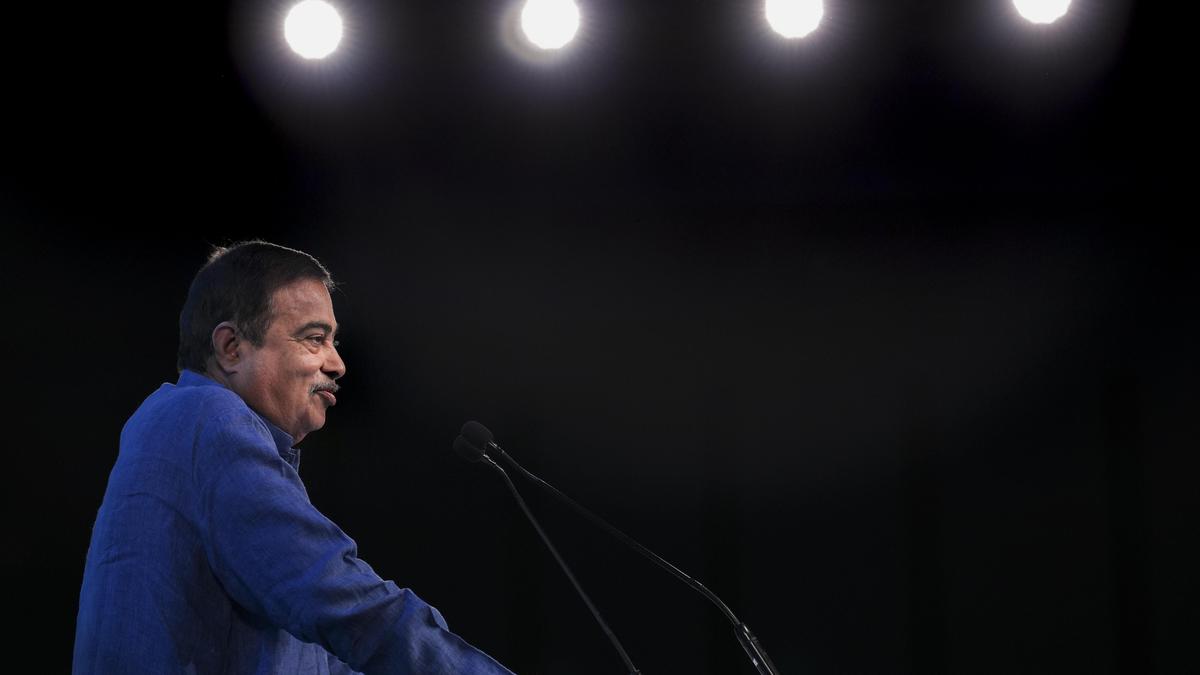
Union Minister Nitin Gadkari addressed Mumbai's chronic traffic congestion after being delayed by an hour while traveling to an event. He used the experience to advocate for replacing outdated flyover infrastructure with modern technological solutions.
Infrastructure Challenges in India's Financial Capital
Union Road Transport and Highways Minister Nitin Gadkari recently faced a firsthand encounter with Mumbai’s notorious traffic congestion. While traveling from Worli to attend the 22nd Indo-American Corporate Excellence Awards, the Minister was delayed by nearly an hour. This incident serves as a poignant reminder of the persistent logistical challenges faced by commuters in India's most populous financial hub, where rapid urbanization often outpaces the capacity of existing transit networks.
Reflecting on Past Infrastructure Policies
In a moment of candid self-reflection, Mr. Gadkari acknowledged that his own past policy decisions contributed to the current state of the city's roads. Referring to his tenure as the Public Works Department (PWD) Minister of Maharashtra during the 1990s, he jokingly remarked that he was "paying for my mistake." This admission highlights the evolving nature of urban planning, where infrastructure projects that were considered cutting-edge decades ago are now struggling to meet the demands of modern vehicular density and population growth.
The Need for Technological Modernization
Beyond the personal anecdote, the Minister utilized the platform to emphasize the necessity of upgrading aging flyover infrastructure. The core of his message lies in the transition from legacy construction models to newer, more efficient technologies. By acknowledging the limitations of 1990s-era engineering, Gadkari is signaling a shift toward smart infrastructure that can handle higher throughput and provide better integration with modern traffic management systems.
Broader Implications for Urban Development
This incident highlights a broader trend in Indian governance: the move toward integrating advanced technology into public works. The challenge for urban planners in cities like Mumbai is not just building more roads, but replacing obsolete ones that act as bottlenecks. As the Minister’s comments suggest, the path forward involves a critical audit of past projects and a willingness to replace static, aging structures with adaptive, technologically superior alternatives.
Future Trends in Transport Policy
Looking ahead, we can expect the Ministry of Road Transport and Highways to prioritize the modernization of existing urban corridors. The focus will likely shift from mere expansion to the implementation of intelligent traffic systems and structural overhauls that accommodate the current realities of urban mobility. Mr. Gadkari’s acknowledgment of his own past projects suggests a pragmatic approach to governance, where legacy infrastructure is viewed as a dynamic asset that requires constant updating rather than a static solution.
Conclusion
Nitn Gadkari’s experience in Mumbai underscores the complex relationship between historical infrastructure development and future urban requirements. By openly discussing the limitations of past policies, the Minister has set the stage for a necessary conversation about technological intervention in India's aging transport network. The shift toward replacing outdated flyovers represents a pivotal moment in ensuring that India's metropolitan centers can sustain their economic growth and operational efficiency.
Verification Required?