India news Live Updates, 20 November 2026: Gangster linked to Dawood Ibrahim killed in encounter in UP
Source Entity
The Indian Express
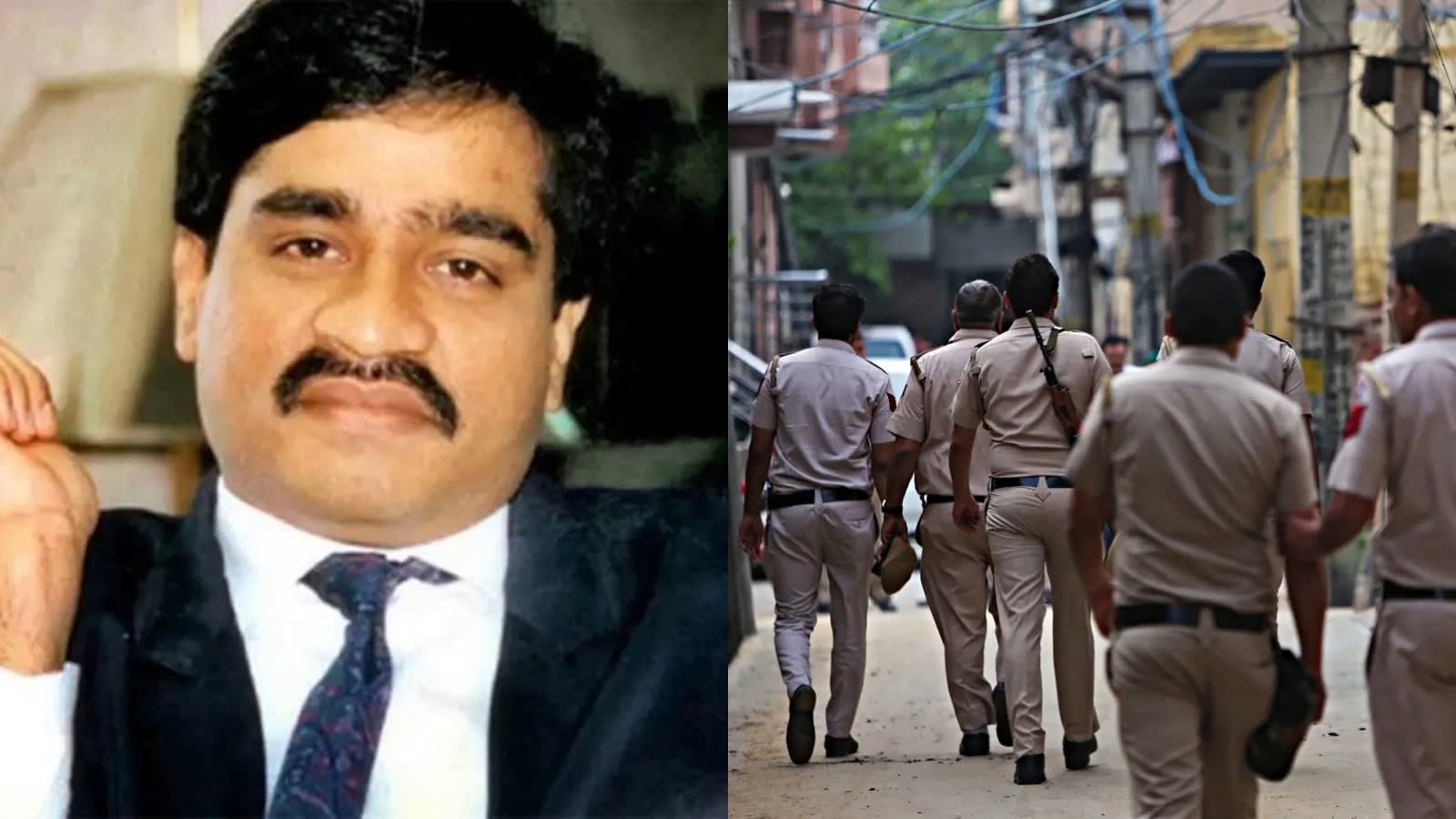
Notorious gangster Naseem Durrani was killed in a joint encounter by Delhi Police and Noida STF in Bulandshahr. Durrani, linked to Dawood Ibrahim and Chhota Shakeel, was the prime suspect in a recent high-profile murder near a Delhi minister's office.
The Neutralization of Naseem Durrani: A Strategic Law Enforcement Operation
In a significant tactical operation, a joint team comprising the Delhi Police and the Noida Special Task Force (STF) successfully neutralized notorious gangster Naseem Durrani in an encounter in Bulandshahr, Uttar Pradesh. This operation marks a pivotal moment in the ongoing efforts to curb organized crime syndicates operating in the National Capital Region (NCR). Durrani, a figure associated with the underworld, had been the subject of an intense manhunt following his alleged involvement in the brazen murder of a youth named Sameer outside the camp office of Delhi Law Minister Kapil Mishra.
Criminal Antecedents and Underworld Connections
Naseem Durrani’s criminal profile was extensive, with authorities reporting over 25 registered criminal cases against him. His reach extended beyond local street crime; investigative reports have explicitly linked him to underworld don Dawood Ibrahim and his associate Chhota Shakeel. Furthermore, intelligence dossiers had previously identified Durrani as a key conspirator in plots targeting rival underworld figures, including the infamous Chhota Rajan. These connections highlight the complex nexus between local criminal elements and international organized crime syndicates that continue to pose a threat to public safety in India.
The Sonia Vihar Incident
The immediate catalyst for the police operation was the murder of Sameer on November 16, which occurred in Sonia Vihar, northeast Delhi. The audacity of the crime—reportedly involving 16 rounds of gunfire outside a government minister’s office—sent shockwaves through the region. The high-profile nature of the location and the brutality of the act necessitated a swift and decisive response from law enforcement agencies, leading to the formation of the joint task force that eventually tracked Durrani to his hideout in Bulandshahr.
Strategic Implications for Regional Policing
The success of this operation underscores the increasing efficacy of inter-state police cooperation. By leveraging intelligence sharing between the Delhi Police and the Uttar Pradesh STF, authorities were able to bypass jurisdictional hurdles that often impede the capture of mobile criminal suspects. This collaborative model is increasingly becoming the standard for managing cross-border criminal activity between the national capital and its neighboring states, ensuring that suspects cannot easily evade justice by crossing state lines.
Future Trends in Organized Crime Control
Looking ahead, the elimination of a high-value target like Durrani is likely to cause significant disruption within the local criminal hierarchy, potentially triggering a power vacuum. Law enforcement agencies will need to maintain heightened vigilance to prevent retaliatory violence or the emergence of new factions competing to fill the void left by Durrani’s associates. The emphasis on high-stakes, intelligence-led encounters suggests that the state is shifting toward a more aggressive posture in dealing with organized crime figures who utilize lethal force against the public and state officials.
Conclusion
The encounter in Bulandshahr serves as a stark reminder of the persistent influence of the underworld in regional crime. While the neutralization of Naseem Durrani brings an end to a long history of criminal activity, it also highlights the necessity for continued, coordinated intelligence efforts. As investigations into the Sonia Vihar murder continue, the focus will likely shift to dismantling the remaining infrastructure that allowed Durrani to operate with such impunity.
Multiple Citing Sources