Y Combinator’s Garry Tan wants U.S. open-weight AI labs to ‘distill’ frontier models, too
Source Entity
Julie Bort
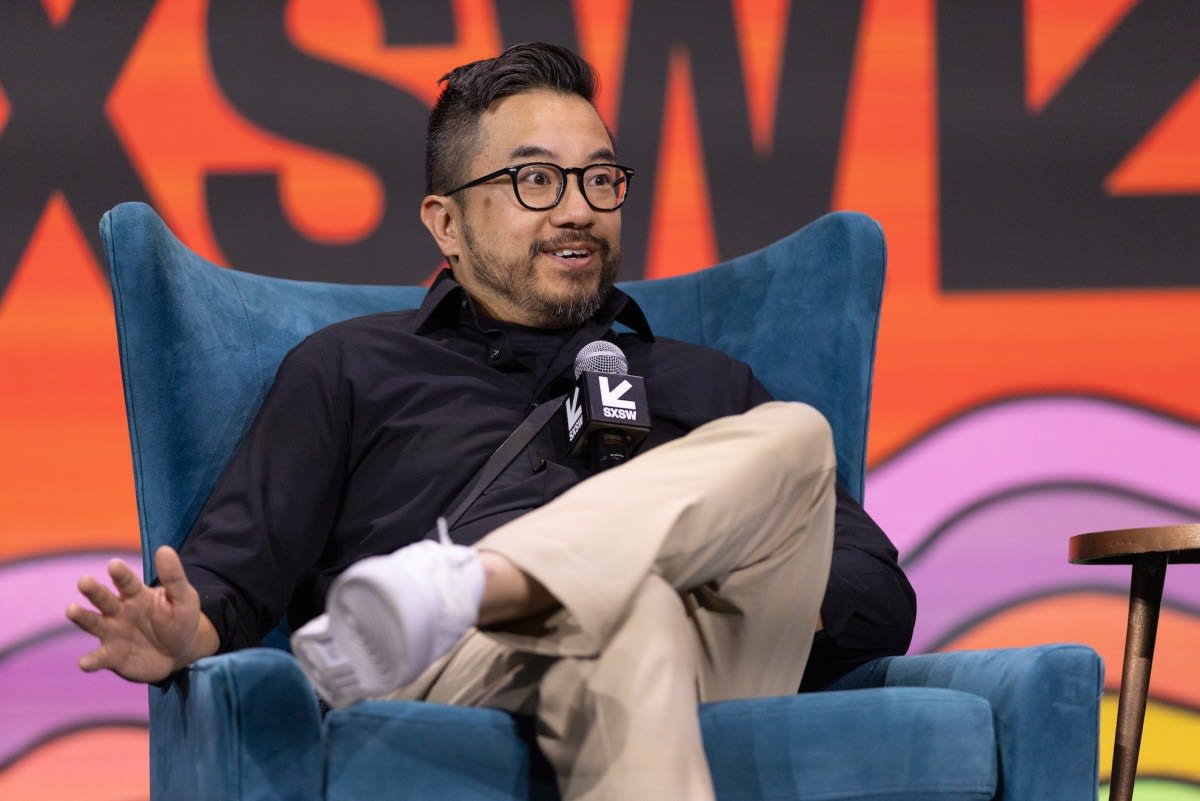
Y Combinator CEO Garry Tan advocates for U.S. labs to utilize model distillation on frontier AI to foster a robust open-weight ecosystem. He argues this approach keeps American technology competitive against Chinese developments while treating AI as a public good.
The Strategic Pivot: Democratizing AI Through Distillation
Y Combinator CEO Garry Tan has ignited a significant policy debate by suggesting that U.S.-based open-weight AI labs should adopt 'distillation' techniques—a process where smaller models learn from and mimic the reasoning capabilities of larger, more powerful frontier models. Tan posits that since these frontier models are trained on the vast expanse of public human knowledge, the resulting intelligence should be treated as a form of public good rather than exclusively proprietary, gated technology.
Understanding the Distillation Mechanism
At its core, distillation involves one AI model extensively prompting another to extract its underlying reasoning patterns. While this technique has often been viewed through a lens of intellectual property concern—particularly regarding Chinese labs leveraging frontier models to enhance their own capabilities—Tan argues for a paradigm shift. By legitimizing this practice for American developers, he aims to close the gap between massive, closed-source frontier models and agile, open-weight alternatives.
Geopolitical Implications of AI Sovereignty
Tan’s stance is deeply rooted in the current geopolitical competition for AI supremacy. He explicitly suggests that the U.S. should foster an 'American distillation regime' to ensure that domestic, open-weight options are not only competitive but also abundant. The strategic objective here is to prevent a scenario where Chinese entities dominate the open-source landscape by utilizing distillation, while American labs remain restricted by over-regulation or an overly protective intellectual property framework.
The 'Public Good' Argument
By framing AI capability as a public good, Tan challenges the current trajectory of AI development, which is increasingly dominated by a handful of tech giants. He argues that regulators should adopt a hands-off approach to distillation, effectively allowing the open-source community to 'harvest' the knowledge embedded in frontier models. This would arguably accelerate the pace of innovation across the U.S. startup ecosystem, enabling smaller labs to build high-performance systems without needing the prohibitive capital required to train a foundational model from scratch.
Future Trends and Regulatory Challenges
Looking ahead, the tension between model safety, security, and the democratization of AI will likely intensify. If U.S. regulators embrace Tan's vision, we may see a shift toward policies that explicitly allow or even incentivize distillation to bolster national technological resilience. Conversely, if intellectual property holders succeed in lobbying for stricter controls on how their frontier models are queried, the open-weight movement could face significant headwinds. Ultimately, Tan’s proposal forces a necessary conversation about whether the future of AI belongs to the few who build the biggest models or the many who can build upon them.