Ghamasaan movie review: Pratik Gandhi, Arshad Warsi clash in gritty dacoit drama
Source Entity
Shubhra Gupta
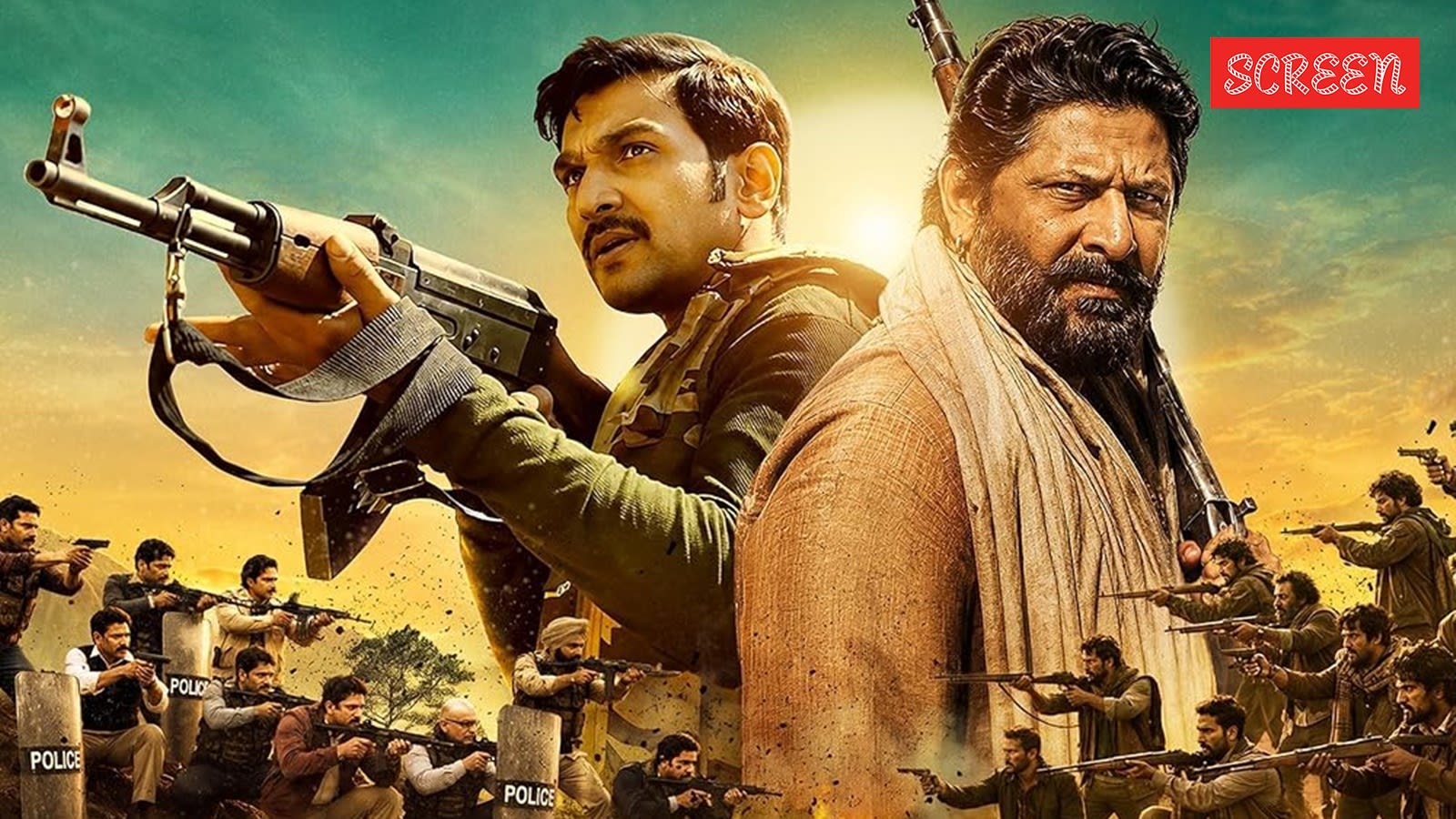
Tigmanshu Dhulia's 'Ghamasaan' offers a gritty, authentic exploration of the Bundelkhand dacoit landscape. The film features a compelling clash between Pratik Gandhi and Arshad Warsi, grounded in the director's deep familiarity with the region.
The Gritty Realism of Ghamasaan
Tigmanshu Dhulia returns to the rugged terrain of dacoit dramas with Ghamasaan, a film that distinguishes itself by moving away from the over-saturated cinematic landscape of Chambal. Instead, the director turns his lens toward Bundelkhand, utilizing his profound familiarity with the region to craft a narrative that feels lived-in and visceral. In an era where many genre films rely heavily on artificial sets that often undermine the suspension of disbelief, Ghamasaan thrives on the authenticity of its location and the raw portrayal of its inhabitants.
A Legacy of Bandit Cinema
Dhulia’s career has long been intertwined with the mythos of the Indian bandit film. Having served as the casting director for the iconic Bandit Queen and directed the modern classic Paan Singh Tomar, he possesses a unique pedigree in this genre. Paan Singh Tomar, which featured a legendary performance by the late Irrfan Khan, established a gold standard for nuanced storytelling regarding the rise of 'baaghis' and 'dakaaits.' Ghamasaan acts as a spiritual successor, drawing on that historical knowledge to explore the harsh realities of the Bundelkhand region.
The Central Conflict: Maharaj vs. The Law
At the heart of the narrative is the clash between the film's central figures, played by Arshad Warsi and Pratik Gandhi. Warsi portrays Maharaj, the 'Bandit King' of Bundelkhand, a character defined by a stark, uncompromising sense of self. Unlike the complex, often tragic figures seen in previous iterations of this genre, Maharaj functions with a singular, brutal clarity. This lack of nuance in his self-perception creates a fascinating dynamic when pitted against the opposing forces of the law, driving the film's core tension.
The Significance of Terrain
One of the most compelling aspects of the film is its rejection of the 'artifice' common in contemporary action dramas. By shooting on location rather than in controlled studio environments, Dhulia ensures that the geography of Bundelkhand becomes a character in itself. The environment dictates the pacing, the survival instincts of the characters, and the overall aesthetic, providing a grounded experience that resonates with the audience's expectation of a gritty, realistic crime drama.
Industry Implications and Future Trends
Ghamasaan highlights a growing trend in Indian cinema: the return to regional authenticity as a tool for narrative distinction. As audiences become increasingly weary of polished, set-based spectacles, the success of films that prioritize location and character depth suggests a shift in production values. By leaning into the specific cultural and geographical nuances of Bundelkhand, Dhulia proves that the 'dacoit drama' remains a potent vehicle for high-stakes storytelling, provided it is handled with the expertise and respect for the terrain that he demonstrates here.
Conclusion
Ultimately, Ghamasaan serves as a testament to Tigmanshu Dhulia’s mastery of the crime genre. By successfully navigating the tension between law enforcement and the bandit subculture, the film provides a compelling, authentic experience. With strong performances from its leads and a commitment to on-location realism, it stands as a significant addition to the legacy of Indian cinema, reminding viewers why the 'cops-and-robbers' conflict remains an enduring staple of the genre.