Goa elevated corridor use restricted after mishaps kill 2, days after opening
Source Entity
Latest News: Todays Latest News Headlines from India & World | Hindustan Times | Hindustan Times
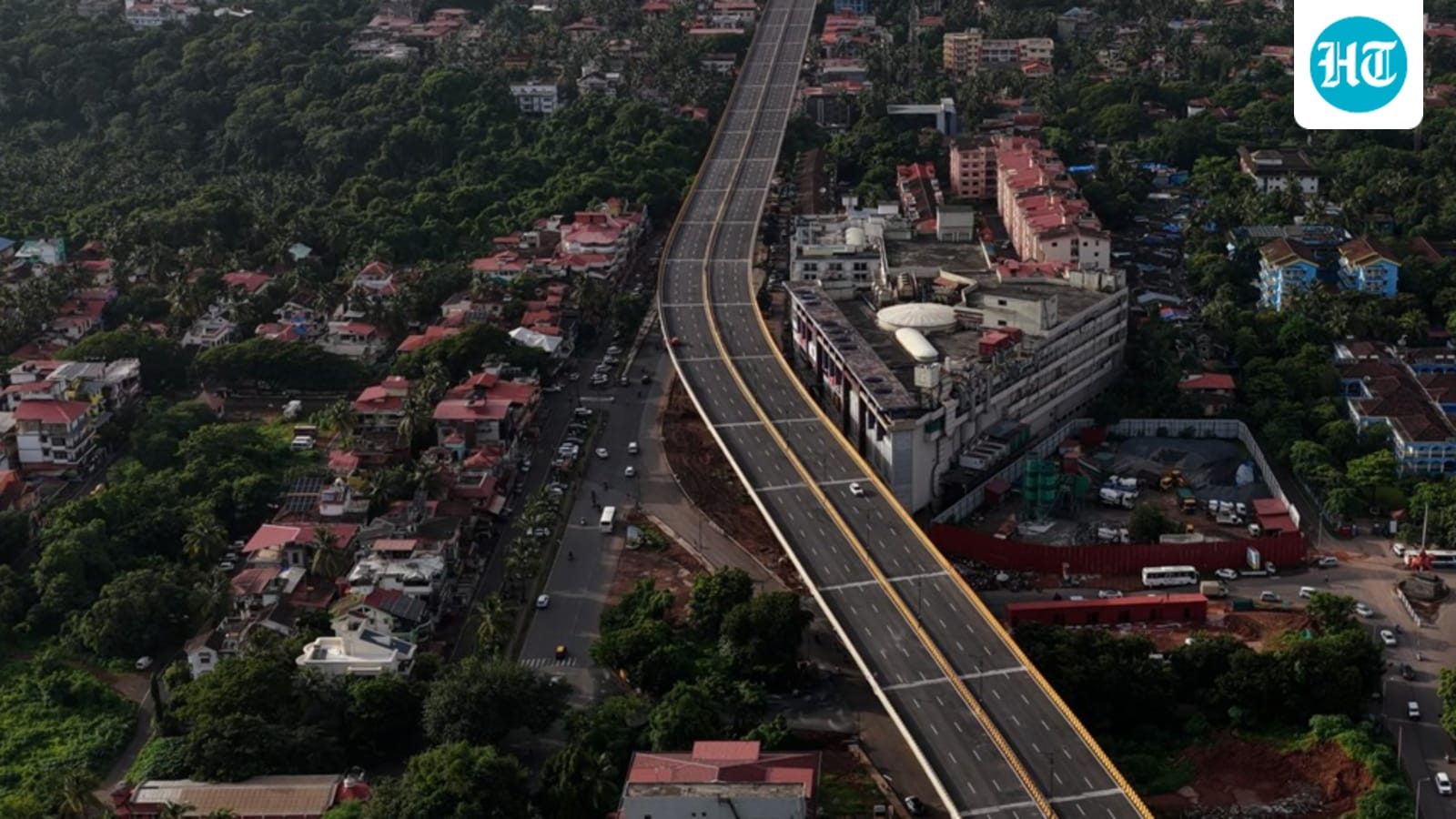
Goa authorities have closed the newly inaugurated Porvorim elevated corridor following two fatal accidents at the Panjim exit. The closure serves as a temporary measure to re-evaluate design safety and traffic patterns after the flyover opened just days prior.
The Porvorim Corridor Crisis: Infrastructure Under Scrutiny
The recent decision by authorities to restrict access to the newly inaugurated 5.15-kilometre Porvorim elevated corridor in Goa marks a significant setback for regional infrastructure development. Inaugurated by Union Minister Nitin Gadkari just last Wednesday, the project was intended to be a flagship solution to long-standing traffic congestion in the area. However, the swift transition from a high-profile opening to a complete closure highlights critical failures in the planning and execution stages of this ₹364.68 crore project.
The Human Cost of Design Flaws
The immediate impetus for the closure was a tragic car crash on Saturday that resulted in two fatalities. Preliminary reports suggest that the accident was directly linked to a poorly designed entry and exit point at the corridor’s southern end, which funnels traffic into Panjim. This incident raises urgent questions regarding the safety audits conducted prior to opening the road to public traffic on Friday. When infrastructure projects prioritize speed over safety, the resulting loss of life becomes a sobering indictment of administrative oversight.
Procedural Delays and Political Pressure
Work on the Porvorim corridor officially commenced in January 2024 following a series of procedural delays. The project was viewed as a vital artery for Goa's transport network, and there was palpable pressure from the state government to ensure the flyover was operational before the commencement of the Ganesh Chaturthi festival. This rush to meet a cultural deadline may have inadvertently compromised the final safety checks, as officials now acknowledge that the closure is necessary to assess the actual traffic patterns and operational performance of the structure.
Assessing Operational Safety
Currently, the corridor remains shuttered as authorities work to monitor congestion levels and re-evaluate the chaotic flow of traffic at its exits. The move to restrict access is a temporary measure, yet it underscores a broader systemic issue in urban planning: the disconnect between engineering designs on paper and the reality of high-density vehicular movement. Engineers are now tasked with identifying specific design bottlenecks that contributed to the accidents, ensuring that future reopening plans include necessary modifications to the Panjim exit.
Future Implications and Policy Trends
This incident serves as a cautionary tale for upcoming infrastructure projects across India. The reliance on rapid delivery schedules can often lead to the omission of critical safety testing phases. Moving forward, it is likely that the Goa state government will face increased scrutiny regarding the structural integrity and design standards of its public works. The long-term success of the Porvorim corridor will depend not just on its reopening, but on a transparent audit of why the initial design failed to protect motorists, potentially setting a new standard for how infrastructure safety is managed and verified in the future.
Verification Required?