Fire NOC, building plan: Checklist part of MCD crackdown after Satya Niketan crash
Source Entity
Drishti Jain
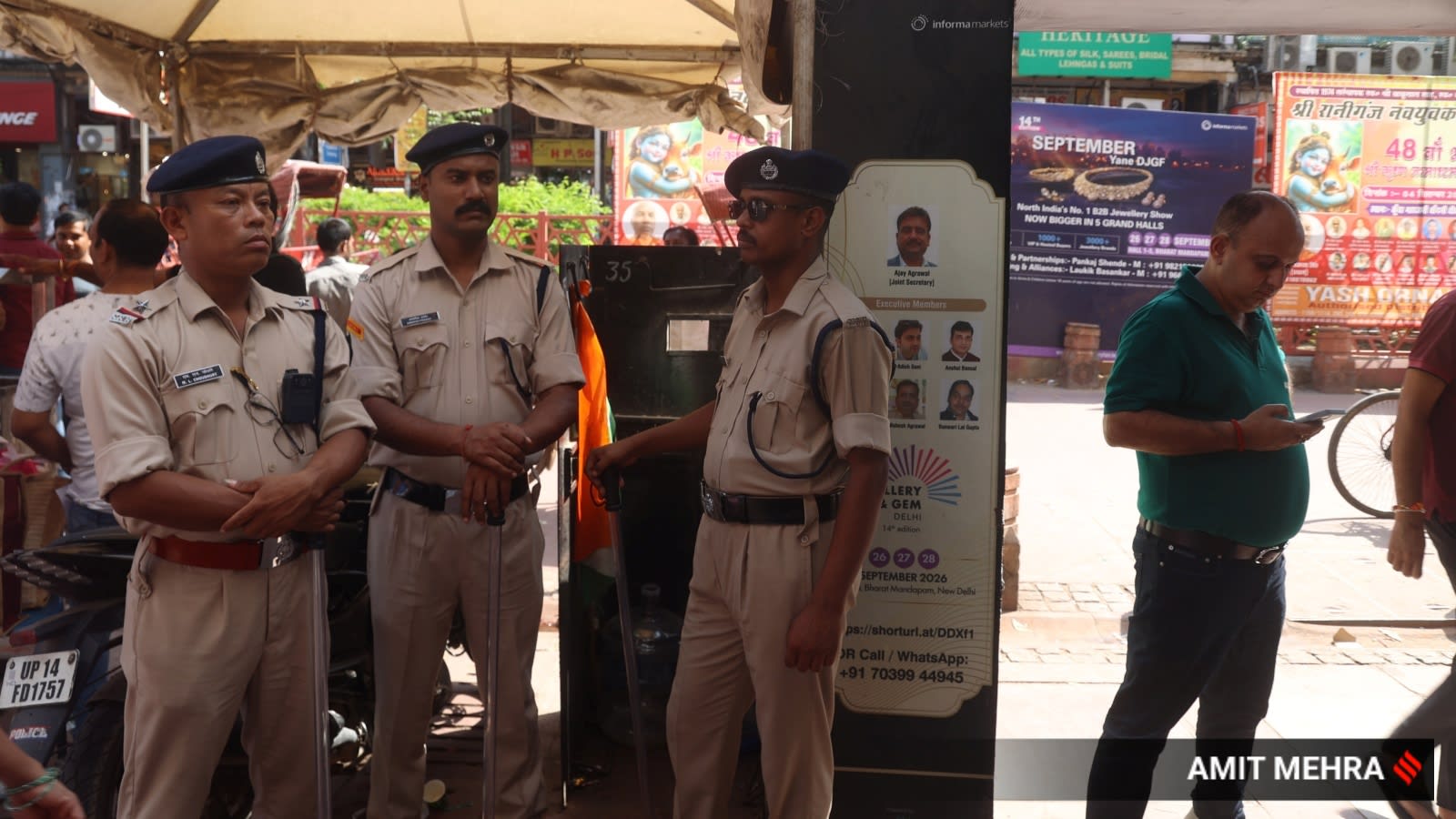
Following a deadly building collapse in Satya Niketan that killed seven, the MCD has launched a citywide crackdown on illegal PG accommodations. The Delhi High Court has declined an urgent plea against the demolition of adjacent structures, emphasizing the need for proper audits.
The Satya Niketan Tragedy: A Catalyst for Urban Reform
The recent collapse of a multi-storey building in the Satya Niketan area of Delhi serves as a grim indictment of the city’s systemic failures in urban planning and building safety. The incident, which resulted in the loss of seven lives and left many others severely injured, occurred as monsoon rains exacerbated the structural weaknesses of an already compromised, unauthorised building. This tragedy highlights the lethal intersection of rapid, unplanned urbanization and the increasing volatility of weather patterns driven by climate change.
The Anatomy of a Collapse
In dense urban pockets like Satya Niketan, the proliferation of unauthorised structures—often serving as makeshift paying guest (PG) accommodations for students—poses a severe threat to public safety. When heavy monsoon rains infiltrate foundations and basements, the structural integrity of these aging or poorly constructed buildings is pushed beyond its limits. The Satya Niketan collapse was not an isolated freak accident but a foreseeable consequence of ignoring building bylaws, density regulations, and basic structural maintenance in an area heavily populated by students.
MCD’s Response and Regulatory Crackdown
In the immediate aftermath, the Municipal Corporation of Delhi (MCD) has initiated an extensive citywide survey targeting PG accommodations. This crackdown seeks to verify if buildings possess sanctioned plans, adhere to the Master Plan of Delhi, and comply with fire safety guidelines. By auditing these facilities, the civic body aims to identify and mitigate the risks posed by illegal constructions. However, the sheer scale of the task—surveying over 1,000 buildings—underscores the magnitude of the regulatory vacuum that allowed such hazardous conditions to flourish in the first place.
Legal Hurdles and Procedural Tensions
The judicial response to the aftermath has also been significant. The Delhi High Court recently declined to urgently hear a plea challenging the demolition of a building adjacent to the collapsed structure. The petitioner had argued that the demolition was premature, potentially endangering individuals still trapped in the debris. By refusing an urgent hearing, the court underscored the necessity of evidence-based legal challenges, demanding that authorities conduct thorough audits before taking action, rather than filing petitions without substantiated claims.
Broader Implications for Urban Resilience
This incident forces a broader conversation about the future of Delhi’s infrastructure. As climate change continues to alter weather patterns, producing flash floods and sudden, intense rainfall, existing physical safeguards are proving inadequate. The tragedy demonstrates that civic governance cannot remain reactive. Future urban planning must prioritize the retrofitting of existing structures and the enforcement of strict safety standards to withstand extreme weather, ensuring that economic growth and student housing do not come at the cost of human life.
Conclusion: A Call for Accountability
The path forward requires a transition from sporadic crackdowns to a permanent, transparent framework for building safety. The Satya Niketan tragedy must serve as the final warning for authorities to prioritize structural integrity over administrative convenience. Only through rigorous enforcement of the Master Plan, proactive auditing of high-density areas, and a commitment to climate-resilient construction can the city begin to prevent such avoidable catastrophes in the future.
Multiple Citing Sources