Gold's bad year is getting worse. Why its price keeps falling
Source Entity
US Top News and Analysis
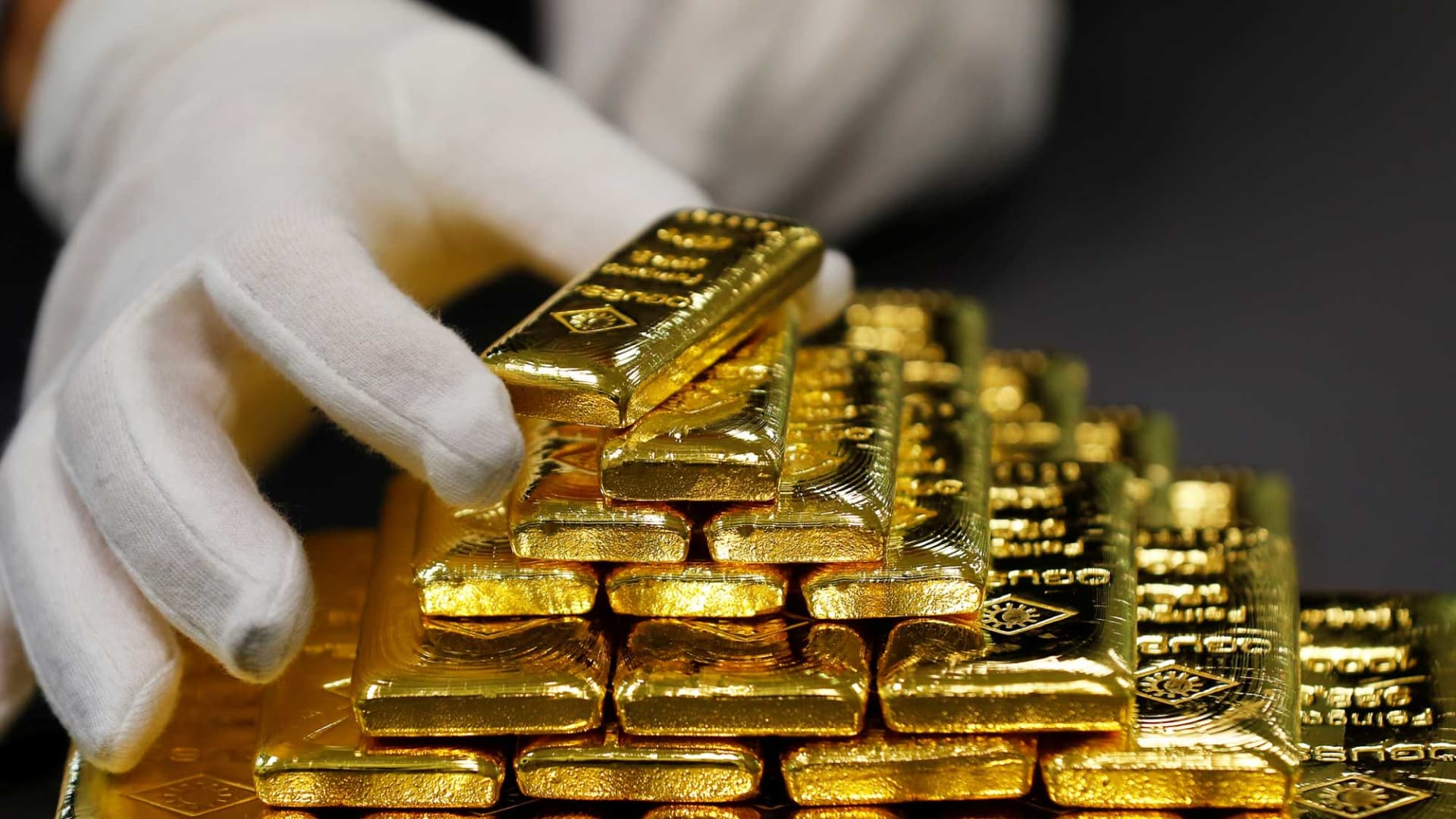
Gold prices have plummeted significantly from their January 2025 record highs, dropping below $3,800 per ounce. This decline is driven by a stronger US dollar and elevated interest rates, which have fundamentally altered the metal's investment appeal.
The Volatile Decline of Gold: From Record Highs to Market Correction
After a period of unprecedented growth, the gold market is currently navigating a period of intense volatility. Following a remarkable start to 2025, where the precious metal shattered price records 53 times, it reached an all-time peak of $5,589.38 per ounce on January 28. However, the subsequent reversal has been equally dramatic, with prices sliding below the $3,800 threshold for the first time since September 2025, representing a decline of roughly one-third from its yearly high.
The Mechanics of the Sell-Off
The fundamental shift in gold’s trajectory is primarily attributed to a changing macroeconomic environment. As Suki Cooper, global head of commodities research at Standard Chartered, notes, gold acts as a dual-natured asset, functioning alternatively as a commodity or a currency depending on the prevailing market conditions. The current downturn is being fueled by a stronger US dollar and persistent high interest rates, which have historically presented a challenge for non-yielding assets like gold.
Interest Rates and the Opportunity Cost
When interest rates are elevated, the opportunity cost of holding physical gold increases. Investors typically favor interest-bearing assets, such as government bonds or high-yield savings accounts, over gold when the dollar is robust and borrowing costs are high. This shift in sentiment has fundamentally altered the investment case for the precious metal, prompting a large-scale exit from gold positions that were established earlier in the year when the metal was viewed as a primary safe-haven asset.
The Dual Nature of Gold
Gold's unique position in the global market allows it to serve as a hedge against inflation or geopolitical instability, but this role is sensitive to currency fluctuations. When the US dollar strengthens, gold—which is priced in dollars globally—becomes more expensive for foreign buyers, dampening demand. This inverse relationship is currently the dominant force driving the price discovery process, as the market recalibrates from the fervor of the January record-setting streak.
Future Trends and Market Outlook
The transition from a record-breaking rally to a significant correction highlights the cyclical nature of commodity markets. While gold served as a critical store of value during the early months of 2025, its current trajectory suggests that market participants are prioritizing liquidity and yield-generating assets. Investors and analysts alike are now closely monitoring central bank policies, as any future adjustments to interest rate trajectories will likely dictate whether gold finds a floor at current levels or faces further downward pressure in the coming quarters.