Here are the big stories from Karnataka today
Source Entity
India Latest News: Top National Headlines Today & Breaking News | The Hindu
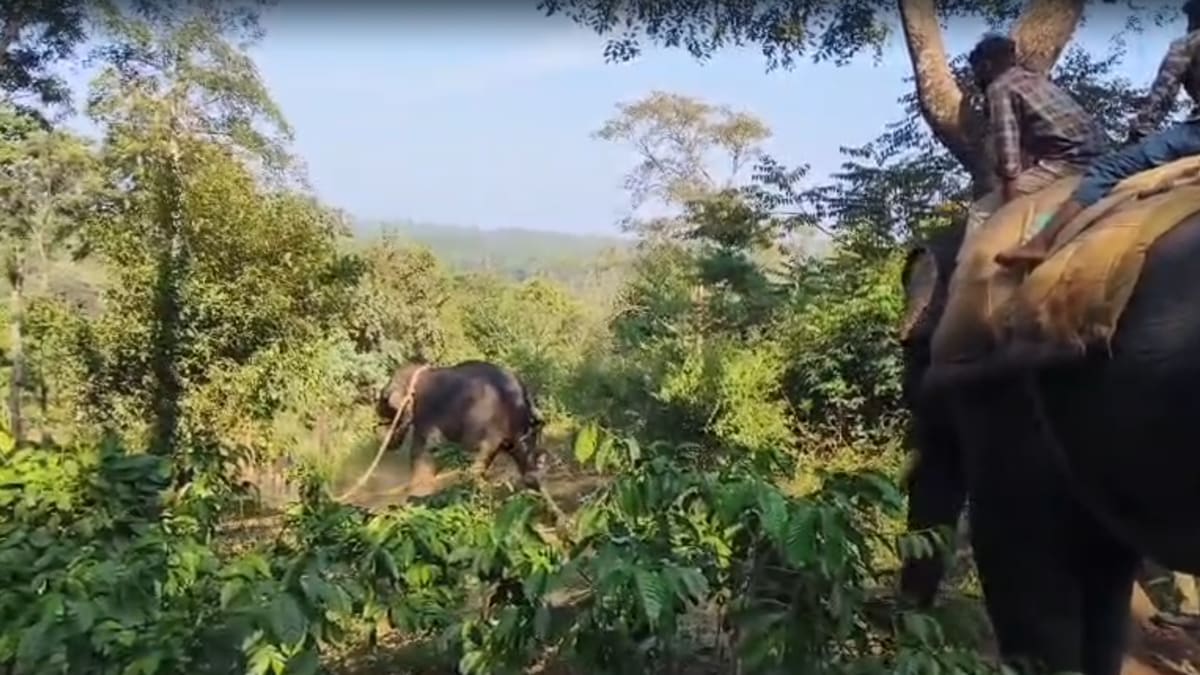
The Karnataka Forest Department has successfully captured a wild tusker near Sakaleshpur following two fatal elephant attacks. A large-scale operation involving over 400 personnel continues to address human-wildlife conflict in the region.
Wildlife Conflict and Management in Karnataka
The Sakaleshpur Operation
On November 19, the Karnataka Forest Department achieved a significant milestone in its ongoing mission to mitigate human-wildlife conflict in the Hassan district. Following two tragic human fatalities in Belur taluk, authorities launched a high-stakes operation to capture two specific tuskers identified as responsible for the attacks. The successful capture of one tusker near Udevara in Sakaleshpur marks a critical turning point in an operation that has mobilized substantial resources and personnel.
Resource Mobilization and Strategy
This operation underscores the intensity of the logistical challenges faced by the Forest Department. With over 350 forest staff and 50 police officers deployed, the scale of this intervention highlights the gravity of the situation. Led by Manoj Rajan, the Additional Principal Chief Conservator of Forests for Project Elephant, the mission demonstrates a coordinated state effort to balance public safety with wildlife management protocols, ensuring that 'problem' animals are safely relocated rather than harmed.
Contextualizing Human-Elephant Conflict
Human-elephant conflict remains a complex and recurring issue in regions like Sakaleshpur, where fragmented habitats often overlap with human settlements and agricultural lands. As wildlife corridors are increasingly pressured by development and changing land-use patterns, elephants frequently venture into human-dominated landscapes in search of food or water. This proximity inevitably leads to dangerous encounters, necessitating the specialized interventions currently being executed by the state.
The Role of Project Elephant
Project Elephant, a central initiative aimed at protecting elephants and their habitats, plays a vital role in providing the framework for these operations. By identifying and managing specific 'problem' tuskers, the department aims to reduce the immediate threat to local communities. The shifting of the captured elephant to a designated facility is a standard procedure intended to prevent future incidents while providing the animal with a controlled environment, away from populated areas.
Broader Implications and Future Trends
Looking forward, the incident in Hassan highlights the urgent need for long-term strategies in wildlife corridor management and community awareness. As Karnataka continues to grow, the state must balance infrastructure development with ecological conservation. Future trends suggest that the integration of technology—such as tracking collars and early-warning systems—will become increasingly crucial for the Forest Department to monitor elephant movements and proactively prevent conflict before it results in tragic loss of life.
Conclusion
The successful capture of the tusker in Udevara serves as a testament to the dedication of the Forest Department personnel working on the front lines of conservation. While the immediate threat to the residents of Belur taluk has been partially mitigated, the ongoing operation serves as a reminder of the delicate coexistence between humans and wildlife in Karnataka. Continued investment in field operations and habitat preservation will be essential to ensuring the long-term safety of both communities and the elephant populations.
Verification Required?