The Hidden 'Water Cost' Of Agriculture: Comparing India With Major Economies
Source Entity
NDTV News Search Records Found 1000
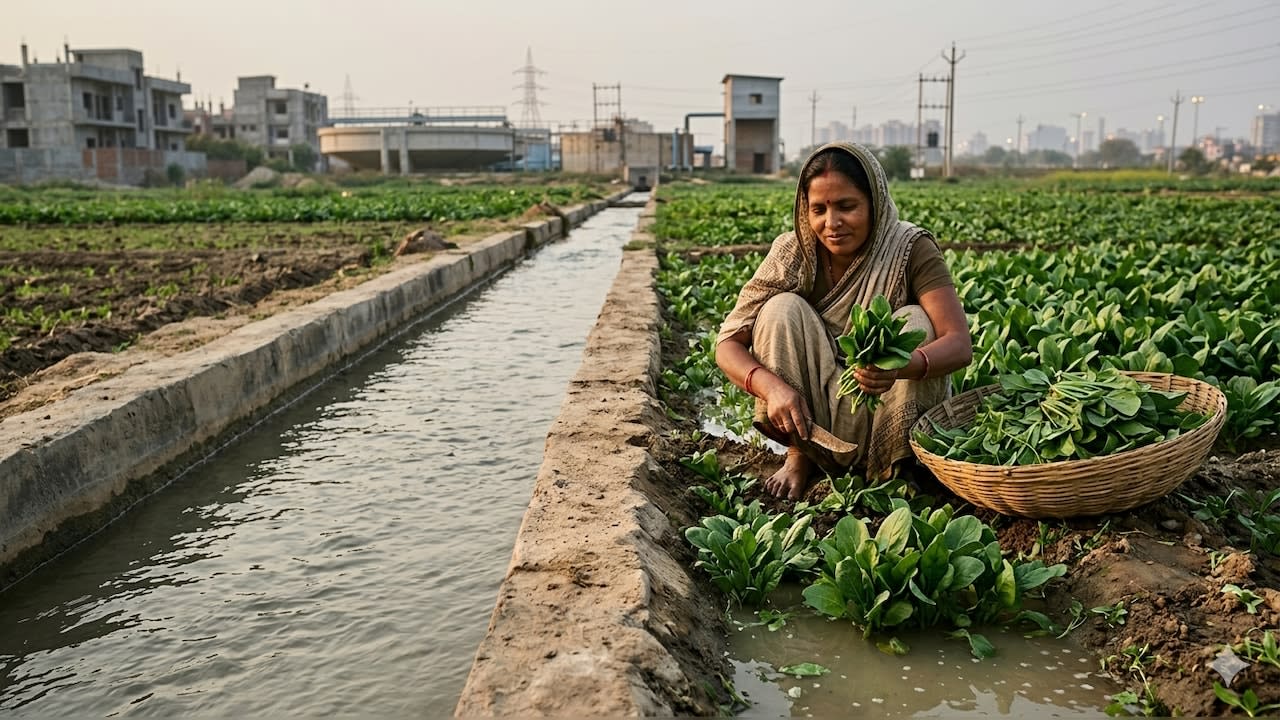
India is facing a critical decline in per capita water availability, highlighting an urgent need for agricultural reform. This trend underscores the broader sustainability challenges faced by the nation's water-intensive farming sector.
The Silent Crisis: India's Shrinking Water Security
India is currently navigating a precarious intersection of demographic pressure and environmental depletion, as evidenced by the sharp, decades-long decline in per capita water availability. This downward trend is not merely a statistical anomaly but a structural shift that threatens the long-term viability of the nation’s socio-economic foundation. With water acting as the lifeblood of the domestic economy, the rapid reduction in per capita resources signals a systemic imbalance between supply and demand that requires immediate attention.
The Agricultural Nexus
At the heart of this crisis lies the agricultural sector, which remains the largest consumer of freshwater resources in India. Traditional farming practices, often characterized by inefficient irrigation methods and the cultivation of water-intensive cash crops, have placed an unsustainable burden on ground and surface water tables. As the population expands, the competition for these finite resources intensifies, forcing a collision between food security goals and the reality of hydrological exhaustion.
Comparative Global Context
When compared to other major economies, India’s situation is uniquely challenging due to its high population density and reliance on seasonal monsoon cycles. While developed nations have integrated advanced water recycling and precision agriculture into their national infrastructures, India’s transition remains in a nascent stage. The discrepancy in 'water productivity'—the amount of crop yield produced per unit of water—highlights a significant gap that must be bridged to ensure future stability.
The Economic Implications
Beyond the immediate agricultural impact, the scarcity of water poses a broader threat to India's industrial and urban growth. Water-intensive manufacturing and the surging needs of rapidly urbanizing populations create a compounding effect on an already strained ecosystem. If the current trajectory of per capita decline is not mitigated, the resulting water inflation could lead to significant disruptions in commodity prices and food security, potentially impacting the nation's GDP growth.
Future Trends and Policy Imperatives
Looking ahead, the shift toward 'more crop per drop' is no longer an optional policy aspiration but an existential necessity. Policymakers must incentivize the adoption of micro-irrigation, promote crop diversification, and invest in large-scale wastewater treatment infrastructure. The future of India’s agricultural sector hinges on its ability to decouple production growth from water consumption, balancing the demands of a growing citizenry with the hard limits of its natural resource base.
Verification Required?