FSSAI licences of four restaurants in Hyderabad suspended over food safety violations
Source Entity
India Latest News: Top National Headlines Today & Breaking News | The Hindu
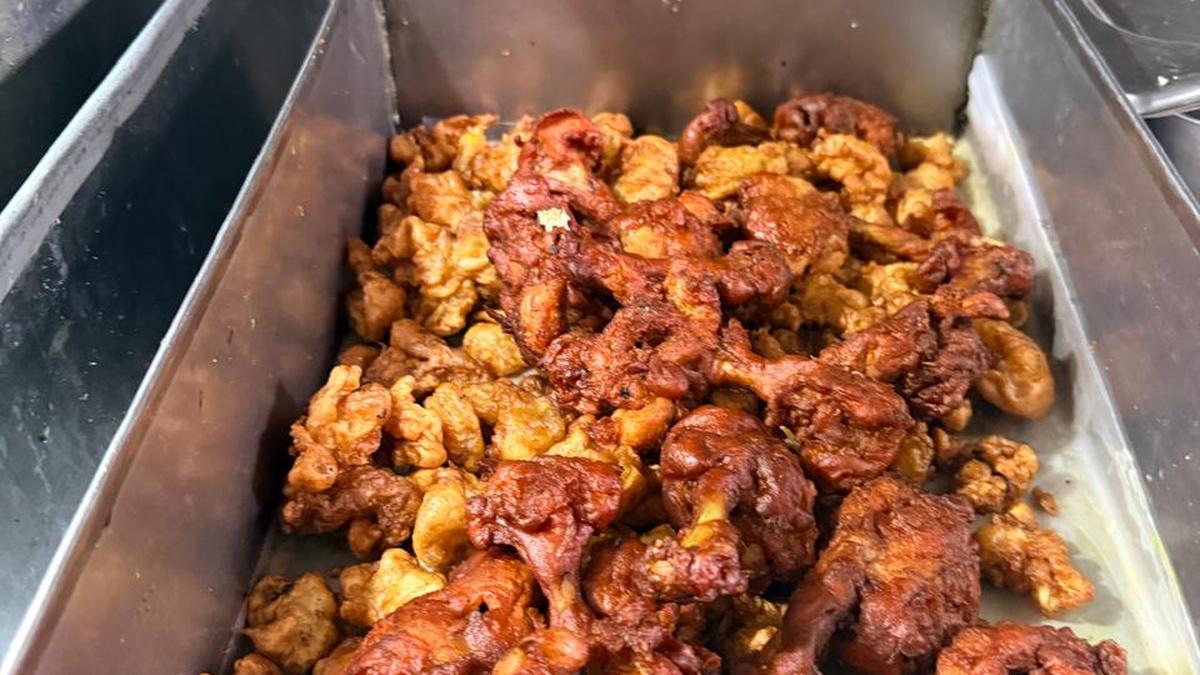
Food safety authorities in Maharashtra and Telangana have cracked down on multiple eateries, suspending their licenses due to severe hygiene violations. These actions follow increased public scrutiny and inspections targeting unsanitary conditions like pest infestations and improper storage.
Crackdown on Food Safety Violations Across India
Escalating Regulatory Oversight
Recent enforcement actions in Maharashtra and Telangana signal a significant shift in how food safety authorities are addressing public health concerns in the hospitality sector. By prohibiting 18 eateries in Maharashtra from purchasing, selling, or distributing food items, and suspending the FSSAI licenses of major establishments in Hyderabad, regulators are demonstrating a zero-tolerance policy toward hygiene lapses. These coordinated efforts reflect an increasing reliance on stringent oversight to ensure that dining establishments adhere to the mandated safety protocols established by the Food Safety and Standards Authority of India (FSSAI).
The Anatomy of Hygiene Failures
In Hyderabad, the Telangana Standards Authority for Food and Essential Drugs (TG SAFE) identified critical violations at prominent locations such as Alpha Hotel and Stores and Lodge in Secunderabad and Laham House in Jubilee Hills. The reports highlight egregious conditions, including the presence of cockroaches, housefly infestations, and improperly managed drainage systems. These findings point to systemic failures in sanitation management, where the basic requirements for safe food storage and preparation have been neglected, posing a direct threat to public health.
The Role of Social Media in Accountability
Public awareness and digital activism have played a pivotal role in triggering these inspections. The case of Laham House is particularly illustrative; after a diner utilized the platform X to report a negative experience involving substandard food and subsequent illness, the ensuing public discourse catalyzed official attention. This demonstrates a growing trend where social media serves as an early warning system for regulatory bodies, allowing them to prioritize inspections based on real-time consumer feedback.
Broader Implications for the Hospitality Sector
These suspensions carry significant economic and reputational weight for the restaurant industry. Beyond the immediate cessation of operations, these establishments face the daunting task of restoring consumer trust. For the broader industry, this serves as a stern warning that the cost of non-compliance—ranging from legal penalties to the permanent loss of patronage—far outweighs the investment required to maintain rigorous hygiene standards.
Future Trends in Food Safety Enforcement
As urban food consumption continues to rise, it is likely that authorities will adopt more frequent, unannounced inspections and digitized monitoring systems. The integration of technology in reporting and tracking violations will make it increasingly difficult for establishments to bypass safety norms. Moving forward, restaurants that prioritize transparency and hygiene will likely become the standard, while those that fail to modernize their sanitation practices will continue to face the risk of license revocation and permanent closure.
Verification Required?