After clip shows MP cops threatening couple, CM suspends additional SP, 5 cops
Source Entity
AMARJEET SINGH
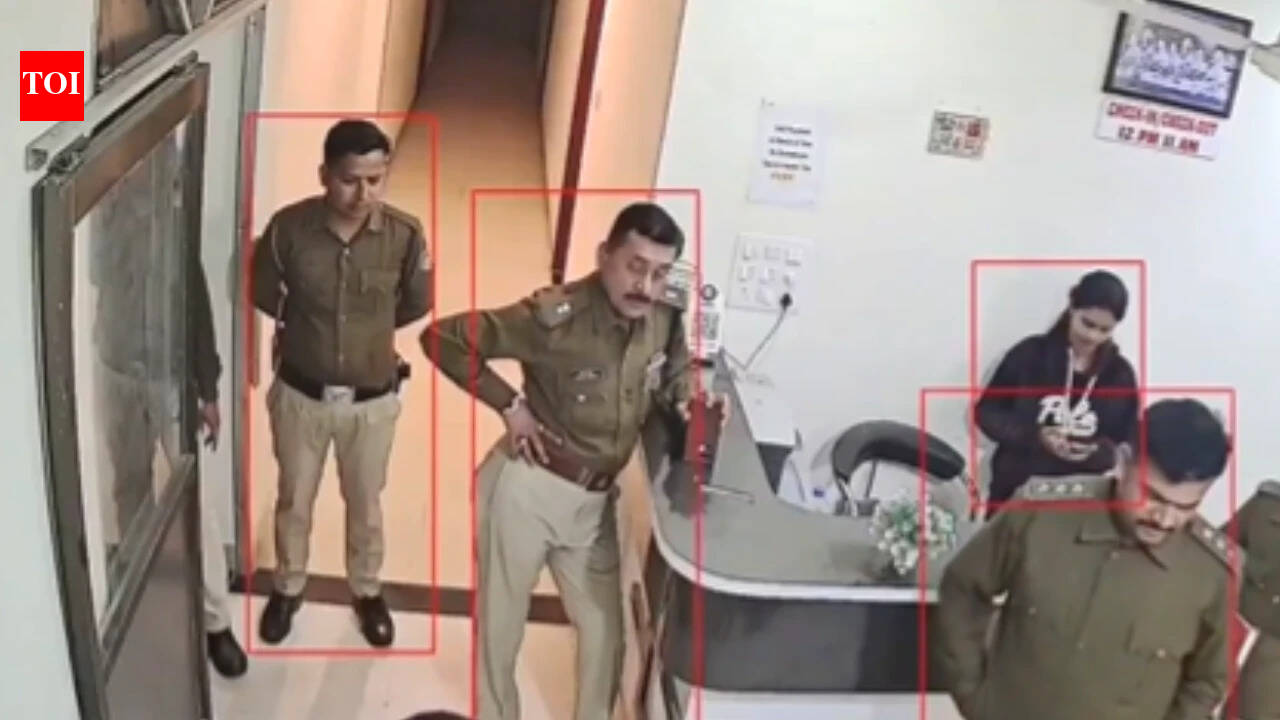
Madhya Pradesh Chief Minister Mohan Yadav has suspended six police officers, including an Additional SP, after a viral video showed them threatening to frame a couple with narcotics. The incident has sparked a major debate regarding police overreach and the privacy rights of consenting adults in hotels.
Police Misconduct in Seoni: An Analysis of Institutional Overreach
The Incident and Immediate Administrative Response
In a decisive move to address police misconduct, Madhya Pradesh Chief Minister Mohan Yadav has ordered the suspension of six police officers, including an Additional Superintendent of Police (ASP), following the emergence of a viral video from the Seoni district. The footage, which captured the officers harassing an adult couple at a hotel, depicted the authorities explicitly discussing the planting of narcotics on the man to frame him in a criminal case. The swift suspension of these officials signals a high-level recognition of the severity of the alleged corruption and abuse of power.
The Anatomy of Police Overreach
This incident highlights a disturbing trend of law enforcement personnel interfering in the private lives of citizens. By threatening to fabricate evidence—specifically planting marijuana—the officers involved not only violated the fundamental rights of the individuals but also severely undermined the integrity of the justice system. The presence of hotel staff during the encounter further complicates the narrative, raising questions about the complicity of private businesses in facilitating police intrusion into the lives of guests.
Legal Context and the Rights of Consenting Adults
Beyond the immediate criminal implications of the officers' actions, the event has reignited a nationwide conversation regarding the rights of consenting adults. Under Indian law, there is no prohibition against unmarried couples staying in hotels together. Despite this, police often engage in 'moral policing,' using their positions of authority to intimidate individuals under the guise of maintaining public order. This case serves as a stark reminder that such interventions are not only legally baseless but often serve as a pretext for extortion or harassment.
Institutional Accountability and Future Implications
With an inquiry now initiated by the Deputy Inspector General (DIG) of Police, the state government is attempting to restore public trust. However, the incident necessitates a broader look at police training and the accountability mechanisms currently in place. If officers feel emboldened enough to openly discuss fabricating evidence on camera, it suggests a systemic issue regarding the lack of oversight and the culture of impunity that can fester within local law enforcement units.
Public Sentiment and the Path Forward
Public reaction, evidenced by thousands of votes and comments on news platforms, reflects a growing intolerance for such overreach. The community's demand for accountability highlights the friction between state power and individual liberty. Moving forward, the outcome of the DIG-led inquiry will be a critical test for the Madhya Pradesh administration to demonstrate that it will not tolerate the weaponization of the criminal justice system against private citizens. Ensuring that the police operate within the boundaries of the law is essential for maintaining the fragile balance between public safety and the fundamental right to privacy.