Google’s revived nuclear power plant gets $1.9B loan from US government
Source Entity
Tim De Chant
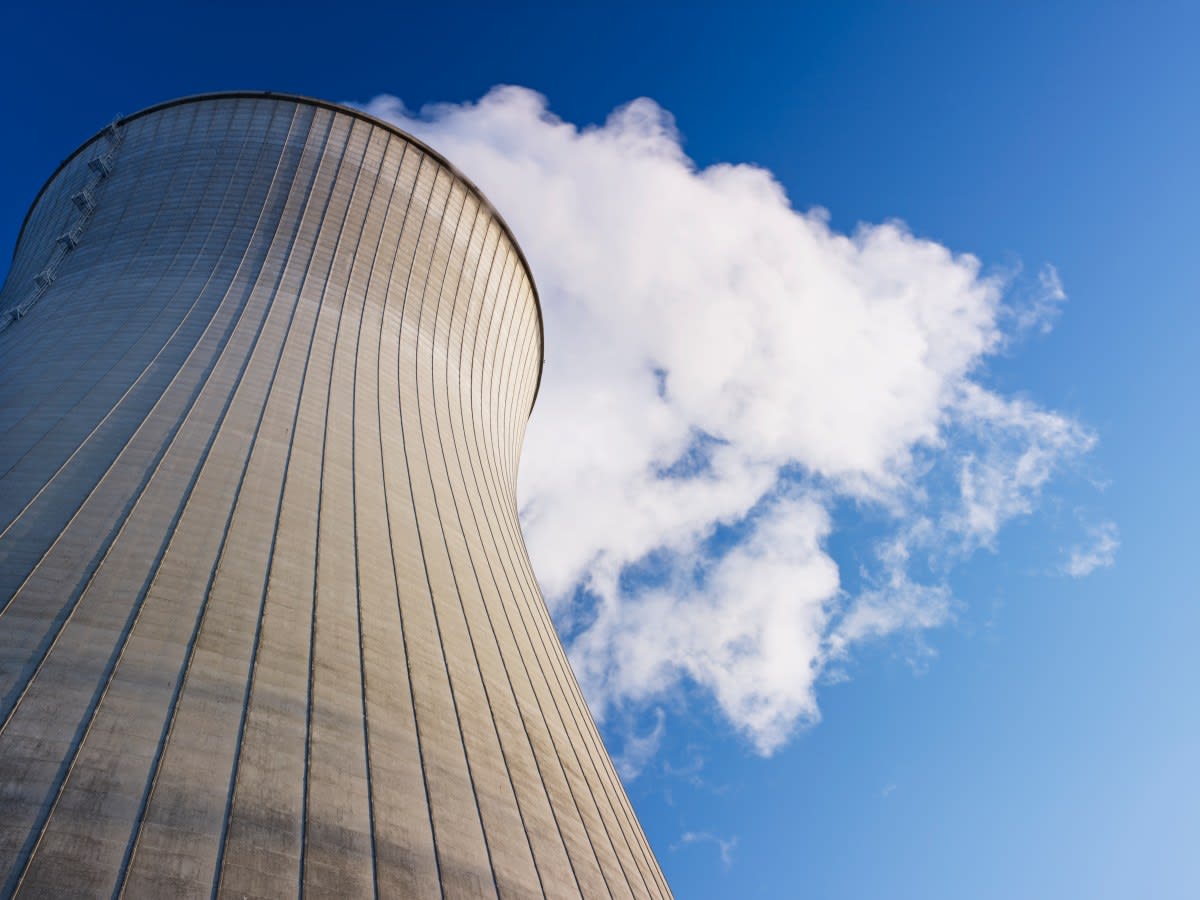
The U.S. Department of Energy has granted a $1.9 billion loan to NextEra Energy to refurbish an Iowa nuclear power plant. This move, supported by Google, aims to secure reliable electricity for expanding AI data centers by 2029.
The Resurgence of Nuclear Energy for AI Infrastructure
In a significant development for the energy sector, the U.S. Department of Energy has finalized a $1.9 billion loan to NextEra Energy. This capital is earmarked for the refurbishment of an Iowa nuclear power plant, a project previously identified by Google as a vital component of its future energy strategy. By bringing this facility back from dormancy, stakeholders aim to integrate reliable, carbon-free baseload power into the grid, specifically to meet the skyrocketing electricity demands of modern artificial intelligence data centers.
Strategic Alignment Between Tech and Energy
The collaboration between Google and NextEra Energy highlights a growing trend where major technology firms are directly influencing energy production. As AI models require increasingly massive computational power, the traditional grid often struggles to keep pace. By backing the revival of nuclear assets, tech giants are essentially securing their own energy supply chains, ensuring that the necessary infrastructure is in place to support their long-term growth and operational stability.
Government Policy and Economic Implications
This $1.9 billion loan represents a broader shift in federal policy, signaling that the current administration views nuclear power as a cornerstone of the nation’s energy security. This is the second major loan of its kind following the $1 billion provided to Constellation Energy for the Three Mile Island restart. Deputy Secretary of Energy James Danly has positioned this initiative as a strategy to reduce long-term electricity costs, although the specific mechanics of how these savings will be passed to the public remain a subject of debate.
The Future of Grid Reliability
While the project is set to come online in 2029, the scope of the energy distribution remains tightly controlled. The agreement specifies that only 50 megawatts will be allocated to the local power cooperative, leaving the vast majority of the plant's output for broader distribution. This concentration of energy reflects the reality of modern industrial needs, where the massive consumption of data centers often necessitates large-scale, dedicated power solutions that go beyond typical residential energy requirements.
Challenges and Long-term Outlook
The path to 2029 is not without its complexities. Refurbishing nuclear facilities requires immense regulatory oversight, engineering precision, and capital investment. However, the backing of the U.S. government serves as a strong de-risking mechanism for NextEra Energy. As AI continues to evolve, the ability to successfully integrate these revived nuclear plants will serve as a bellwether for whether the U.S. can sustain its technological leadership while simultaneously transitioning its energy infrastructure toward more reliable, high-capacity sources.