Google Playground
Source Entity
Hacker News
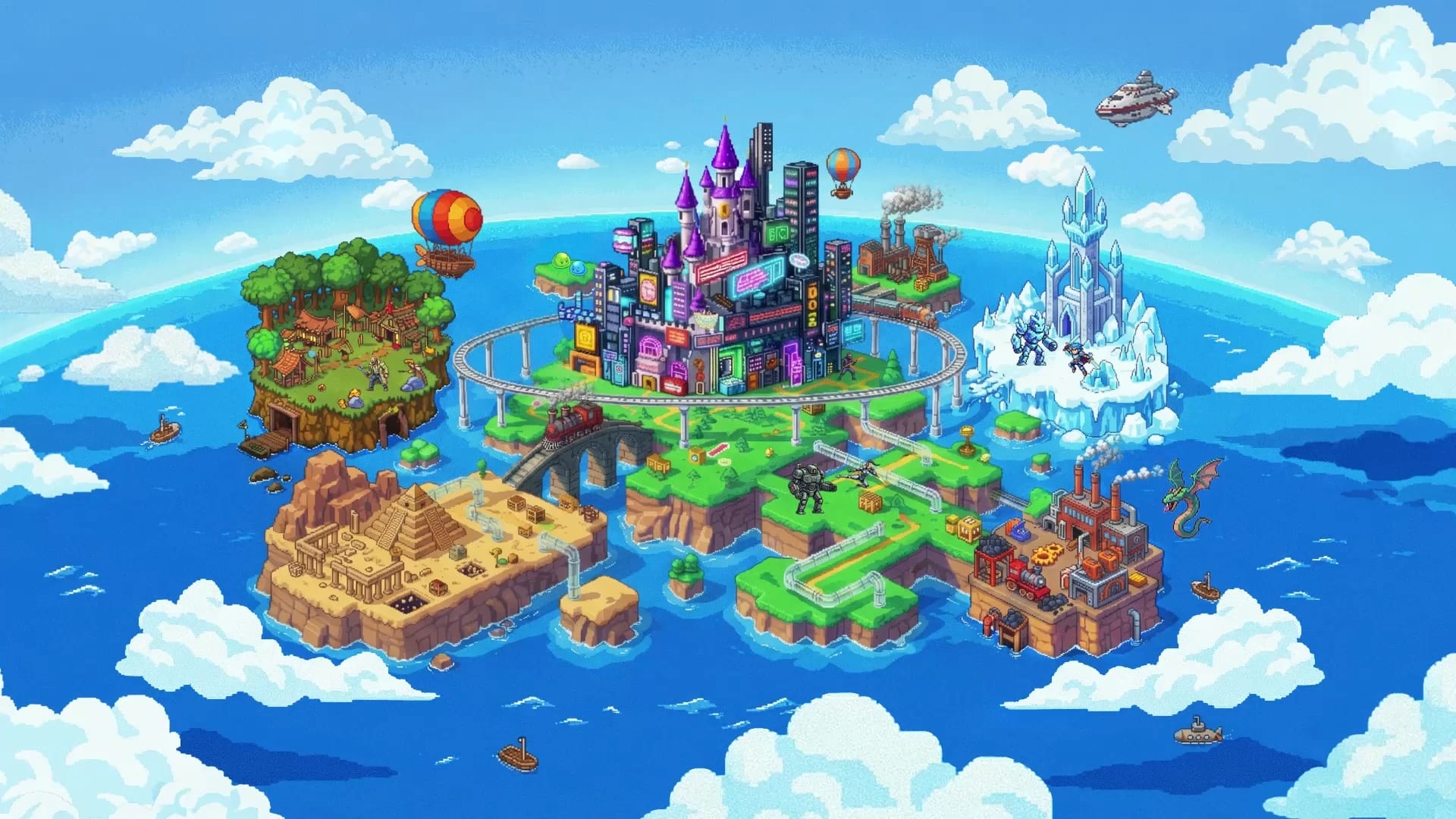
Google has introduced 'Playground,' an experimental, AI-driven platform that enables users to create and play custom games using simple text prompts. This tool aims to democratize game development by removing the need for traditional coding skills or complex engine knowledge.
The Democratization of Game Development
Google has officially unveiled 'Playground,' an experimental platform designed to fundamentally shift how digital games are conceptualized and built. By leveraging a conversational interface, the platform allows users to generate game mechanics and environments simply by typing prompts. This initiative signals a major pivot in the tech industry, moving away from exclusive, code-heavy development environments toward accessible, AI-assisted creative tools.
Breaking Technical Barriers
Historically, the barrier to entry for game development has been exceptionally high, often requiring years of experience in complex programming languages and specialized game engines. Google Playground addresses this by abstracting the technical requirements of game design. By allowing users to describe their vision in natural language, the platform lowers the threshold for entry, inviting a broader demographic of creators to participate in the gaming ecosystem.
The Mechanics of Creative Expression
At the core of Playground is a guided, conversational interface that assists users from the initial "blank canvas" stage through to final testing. The system supports various workflows, including the ability to remix existing starter prompts or rely on AI-driven guidance to refine game concepts. This iterative process allows for rapid prototyping, which is essential for creative experimentation and learning, enabling users to test their changes in real-time.
Case Study: Snooze Jump
To demonstrate the platform's capabilities, Google has highlighted 'Snooze Jump,' a dream-themed platformer. This title illustrates the versatility of the engine, offering both a 'Normal Mode' for casual exploration and a 'Speedrun Mode' for competitive players. By showcasing a finished product alongside the creation tools, Google provides a tangible example of how simple prompts can manifest into fully functional, multi-mode gaming experiences.
Broader Implications for the Industry
This move by Google aligns with the broader trend of generative AI transforming creative industries. As tools like Playground become more sophisticated, we can expect a surge in user-generated content that mirrors the impact seen in other creative sectors like graphic design and music production. If successful, this platform could foster a massive community of "citizen game developers" who contribute to a growing library of custom, shareable gaming experiences.
Future Outlook
While currently labeled as an experimental platform, the trajectory of Google Playground suggests a future where game creation is as commonplace as document editing. The ability to seamlessly create, play, and share custom games within a single environment is likely to influence how future social platforms integrate interactive media. As the technology matures, the primary challenge for Google will be maintaining quality control and fostering a community that can effectively utilize these powerful, low-code tools.
Multiple Citing Sources