Making a dumb TV just smart enough
Source Entity
Hacker News
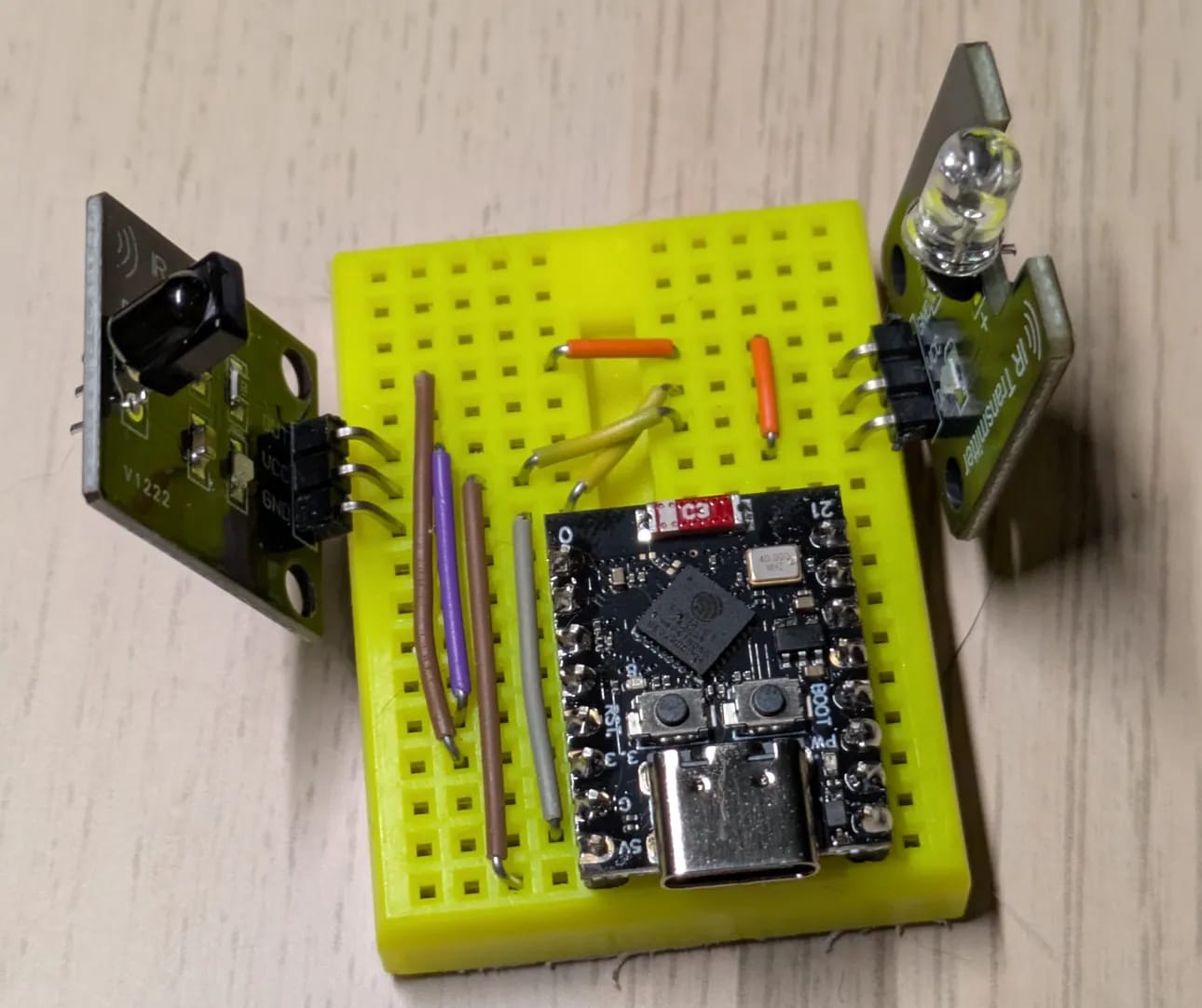
A programmer describes a DIY approach to upgrading a 'dumb' TV into a smart media center using a PC connection. This workflow highlights the intersection of consumer hardware limitations and software-driven automation.
The Evolution of the 'Dumb' TV Experience
In an era dominated by smart TVs that come pre-loaded with proprietary operating systems, tracking software, and incessant update cycles, there is a growing segment of users returning to the simplicity of 'dumb' displays. As noted in the user experience, these older televisions offer a reliable, static viewing experience that lacks the intrusive nature of modern smart interfaces. By relying on a basic panel connected to a PC, the user avoids the privacy concerns often associated with modern connected hardware, such as data harvesting or the need for network-level ad blocking via tools like Pi-hole.
The Friction of Legacy Hardware
The primary challenge with using a PC as a media hub is the inherent physical and digital friction. The user recounts a laborious process: manually enabling secondary monitors, managing window placement, and physically traversing the room to bridge the gap between the desktop interface and the couch. This experience highlights a common pain point for home theater enthusiasts who prioritize high-quality, local file playback over the convenience of streaming-first smart TV apps.
Programmer Laziness as a Catalyst for Innovation
There is a long-standing adage in the software development community that the most valuable trait a programmer can possess is 'laziness.' In this context, 'laziness' is not a lack of effort, but rather the pursuit of efficient automation. The user's vow to never leave the couch again serves as the catalyst for potential technical solutions, such as remote desktop automation, keyboard-mouse emulation, or custom scripts that handle display toggling and application launching.
Bridging the Gap: Automation Strategies
To solve the issue of manual desktop management, users often turn to tools like AutoHotkey, custom shell scripts, or mobile-based remote control applications. By automating the transition of a media player to a secondary display and triggering fullscreen mode, the user effectively transforms their PC into a bespoke home theater PC (HTPC). This shift underscores a broader trend of users reclaiming control over their media consumption by layering custom software over legacy hardware.
Future Trends in Home Media
The movement toward 'smart-enough' displays suggests a future where consumers may favor high-quality, long-lasting display panels over integrated smart systems that become obsolete within a few years. As smart TV software often slows down or loses support for modern streaming codecs, the modular approach—separating the display from the 'smart' compute unit—provides a sustainable and privacy-conscious alternative. By utilizing a PC or a dedicated media stick, users ensure that their viewing setup remains agile and under their total control.